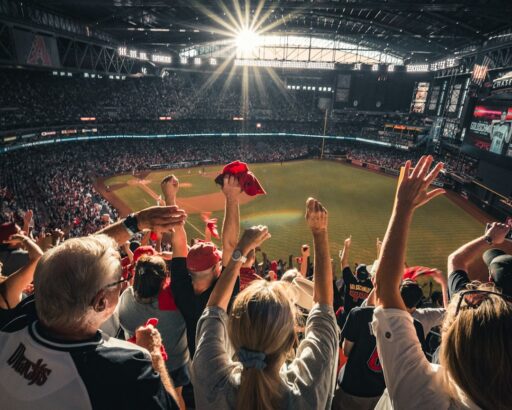

Every spring, as the last traces of winter fade, a familiar rhythm returns to American life. It arrives with the crack of a bat, the roar of a packed stadium, and the steady drumbeat of games unfolding night after night. For millions of fans, Major League Baseball is far more than a sport. It is a shared calendar of hope, heartbreak, and unforgettable moments that carry us from the first pitch in April all the way to the final out in October. Understanding the MLB schedule is the key that unlocks this entire journey, turning casual viewers into devoted followers who refuse to miss a single inning.
The schedule is the spine of the season. It decides when your favorite team takes the field, who they face, and how the long march toward the World Series will unfold. Whether you are a lifelong supporter or a newcomer drawn in by a thrilling highlight, knowing how the season is built will change the way you watch the game forever.

A Marathon of 162 Games
The heart of every baseball year is the regular season, a marathon of 162 games for each of the 30 clubs that make up the league. This enormous stretch of play runs from late March or early April through the very beginning of October, consuming roughly six months of the calendar. Over that time, teams battle through a carefully balanced schedule that blends fierce divisional rivalries with interleague matchups against teams from the opposite league.
Each club faces its four divisional rivals many times across the season, a design that fuels intense personal grudges and long standing feuds. The remaining games are spread across the other teams, ensuring that fans in every city eventually get a chance to see baseball brighter stars up close. Because no two teams play the exact same opponents in the same order, the schedule is never truly identical for anyone, which is part of what makes each season feel so unique and so unpredictable.
How the Schedule Comes Together
Long before Opening Day, the league office assembles the entire season like a giant puzzle. Planners must respect stadium availability, travel distance, holidays, and even the weather. They weigh the need for rivalries on weekends, the desire to avoid exhausting cross country trips on back to back days, and the wish to give every team a fair share of prime time slots under the lights.
The result is a document released months in advance, giving fans ample time to plan trips, buy tickets, and circle the games they cannot miss. Opening Day is always a celebration of renewal, the All Star break offers a midsummer pause, and the final weekend of the regular season often decides who dances into October and who heads home a little earlier than hoped.
The Daily Rhythm of Baseball
Within any given week, the schedule creates its own quiet rhythm. Afternoon games belong to the sunshine, to families with young children, and to the timeless feel of a lazy summer day at the ballpark. Night games bring the bright lights, the packed stands, and the electric atmosphere that defines modern baseball.

Most series run for two, three, or four games, allowing teams to settle into a city before moving on. A homestand might stretch for a week, while a long road trip can test a squad endurance and chemistry. Following the schedule closely reveals these patterns, and soon you find yourself anticipating the big series weeks ahead, just like a seasoned fan who knows every matchup by heart.
September and the Pennant Race
As summer gives way to autumn, the schedule takes on a sharper edge. Every game suddenly carries extra weight. The standings tighten, veterans grit their teeth, and young stars rise to the occasion. September baseball is where playoff dreams are either realized or shattered, and the nightly schedule becomes must watch television for fans across the entire country.
This is also the time when out of town scoreboards are watched as closely as the games themselves. A single result in another city can shift the whole playoff picture, and supporters learn to track multiple games at once. The tension is delicious, and it all flows directly from the structure of the schedule.
October and the Postseason
When the regular season ends, the postseason begins, and the schedule narrows to a select group of contenders. The playoffs unfold in rounds, each one a best of series that grows longer and more demanding with every stage. Wild card games kick things off, followed by the divisional series, then the championship series, and finally the World Series itself.
Every round is scheduled with maximum drama in mind. Travel days give teams a chance to regroup, while quick turnarounds test the depth of pitching staffs. The World Series, baseball grandest stage, pits the champions of each league against one another in a showdown that grips the nation. When the final out is recorded, the schedule that began in the spring finally comes full circle.
How Fans Stay Connected
Modern fans have more ways than ever to follow the MLB schedule. Official league apps deliver live updates, reminders, and personalized alerts for your favorite team. Team websites publish detailed calendars, while sports news outlets provide daily previews and recaps. Social media turns every game into a shared experience, with highlights and reactions spreading within seconds.
For those who love planning ahead, printed calendars and wall charts still hold a special charm. There is something deeply satisfying about marking off each game, watching the season progress one square at a time, and building anticipation for the next showdown.
Key Dates to Circle
A few moments deserve special attention every single year. Opening Day signals rebirth and optimism, when every team still believes it can win it all. The All Star break offers a festive celebration of the sport brightest talents gathered in one place. The trade deadline reshapes rosters and ambitions in a single afternoon. And the final day of the regular season delivers a rush of simultaneous drama unlike anything else in sports.
The postseason then crowns a champion, and the cycle quietly begins again. Understanding these milestones transforms the schedule from a simple list into a living story that unfolds hour by hour and inning by inning.
Why the Schedule Matters
At its core, the MLB schedule is a promise. It promises that no matter how long the winter feels, baseball will return. It promises that every team, no matter how modest its payroll or how quiet its offseason, will get a fresh chance to chase glory. It promises the thrill of a walk off home run, the agony of a late inning collapse, and the pure joy of a championship celebration that echoes through a city for weeks.
For fans, following the schedule is a way of life. It structures summer evenings, fuels friendly arguments, and creates memories that last a lifetime. A father teaching his child to keep score, a group of friends gathering for a playoff watch party, a stranger becoming a friend in the stands, all of it begins with a single line on a simple calendar.
Conclusion
The MLB schedule is far more than a collection of dates. It is the heartbeat of a season, the roadmap to October, and the reason millions of people carve out time for nine innings of pure possibility. From the optimism of spring to the drama of autumn, every game is a chapter in a story that never truly ends. So grab your scorecard, mark your calendar, and get ready. The next unforgettable moment is only a first pitch away.
