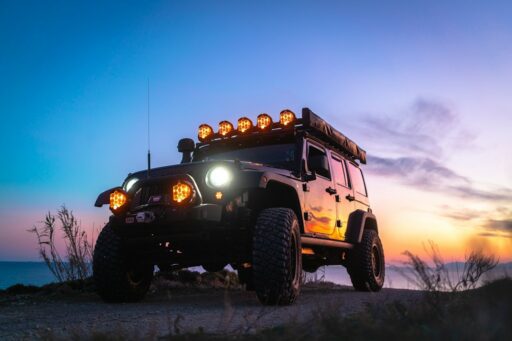

Some legends arrive with a roar and a cloud of dust. Others sneak up quietly on simple steel wheels and refuse to leave. The Lada Niva belongs squarely to the second camp. First revealed to the world in 1977, this small Russian sport utility vehicle was built behind the Iron Curtain, yet it went on to win hearts from the frozen tundra of Siberia to the muddy trails of South America. Decades later, drivers are still talking about it, and the conversation has never been louder. So what makes this humble machine so special? Strap in, because the story of the Niva is one of the most remarkable tales in automotive history.
A Car Built for the Toughest Terrain on Earth
To understand the Niva, you have to understand the country that created it. The Soviet Union was a land of vast distances, brutal winters, and roads that often vanished into mud, snow, and dust. Engineers at the Volga Automobile Plant, known as AvtoVAZ, were handed a bold mission. They had to build a compact car that could go absolutely anywhere a farmer, a geologist, or a soldier might need to travel.
The answer arrived in 1977 as the VAZ 2121, soon nicknamed Niva, a word that means field or farmland. The little vehicle looked like nothing else on the road. It was short, tall, and boxy, with a spare wheel bolted under the hood. Yet hidden inside that simple shell was a genuine revolution.

The Engineering That Made It Unstoppable
What set the Niva apart was a bold combination of ideas that few manufacturers had dared to attempt. It used unibody construction, which means the body and the frame were one integrated piece. That made the car lighter and more rigid than the traditional truck style underpinnings used by most offroad vehicles of the time. It also introduced permanent all wheel drive paired with a locking central differential, a setup that delivered constant grip no matter how slippery the ground became.
Add independent front suspension, generous ground clearance, and short overhangs, and you have a machine that could scramble up slopes that would leave far more expensive vehicles stranded. Drivers discovered that the Niva could ford rivers, climb snowy hills, and pick its way across rocky ground with a confidence that seemed impossible for something so small and so affordable.
A Brief History Worth Remembering
The project began in the early 1970s when Soviet planners realized they needed a vehicle that fit between the rugged UAZ trucks and the tiny passenger cars of the day. A team led by the designer Petr Prusov set to work, and after years of testing in the harshest conditions the country could offer, the Niva was finally unveiled in 1977. The name itself, chosen through a magazine contest, means field, and it fit perfectly. This was a car for the land and for the people who worked it and traveled across it.
Almost immediately the world took notice. The Niva was exported to more than one hundred countries and sold under many different names. In Canada it appeared as the Lada Cossack. In some markets it carried the name Sport. In Britain and across Europe, enthusiasts embraced it as a tough, honest, and surprisingly capable machine. It won the admiration of farmers, hunters, rescue teams, and weekend adventurers alike.

From Soviet Workhorse to Global Cult Classic
Its appeal was never about luxury. The interior was simple, the engine modest, and the ride could be noisy. But owners loved the Niva precisely because it was honest. There was very little to break, and when something did break, almost anyone with basic tools could fix it. In remote villages and deep forests, that kind of reliability is worth far more than leather seats and glowing screens.
Study the Niva closely and you notice how practical every single choice was. The spare wheel under the hood kept the cargo area free and added useful weight over the driven front axle. The flat panels were cheap to press and easy to repair. The simple dashboard meant fewer things could go wrong. Even the boxy shape, so often mocked, delivers excellent visibility and generous headroom. These are the kinds of decisions that engineers make when they think about real life rather than showroom glamour, and they are the reason the Niva still makes sense today.
A Vehicle That Refused to Die
Most car models enjoy a lifespan of a decade at best before they are replaced by something newer. The Niva ignored that rule entirely. Production continued decade after decade with only gentle updates. The little SUV became a living fossil, a rolling reminder of a different era, yet it kept finding new fans.
In 2021 the original model was rebranded as the Lada Niva Legend, while a related model known as the Lada Niva Travel took on a slightly more modern role in the lineup. Together they continued to serve buyers who wanted genuine offroad ability without paying a premium. Even as the wider automotive world rushed toward electric power and ever more complex electronics, the Niva stayed refreshingly old school.
What Modern Buyers Still Get
Today the Niva Legend carries forward the same spirit that made it famous. Buyers can still choose a three door or a five door body, a manual gearbox, and a rugged four wheel drive system complete with a low range transfer case. The styling has been gently refreshed, and safety and comfort have improved, but the core character remains untouched.
That character is exactly what draws people in. In a market flooded with look alike crossovers, the Niva stands apart. It is not trying to be a luxury car. It is not pretending to be a sports car. It is simply a tool for getting from one place to another, no matter what stands in the way.
Rivals It Managed to Beat
Compact offroaders have come and gone over the years. The Suzuki Jimny, the short wheelbase versions of the Toyota Land Cruiser, and the Jeep Wrangler all share a little of the Niva spirit. Yet the Niva undercut them all on price while matching many of them on pure capability. That combination of value and toughness is what turned it into a true giant killer of the offroad world.
Owners who have driven both the Niva and its more expensive rivals often insist that the Russian machine feels more alive. It asks the driver to pay attention, to plan a line, and to work with the terrain rather than simply overpowering it. That involvement turns every journey into a small adventure.
The Community That Keeps the Flame Alive
Few vehicles inspire the loyalty that the Niva does. Around the world, clubs and online forums bring together owners who share repair tips, plan expeditions, and celebrate the quirks of their machines. Photographs of Nivas crossing deserts, climbing mountains, and ploughing through deep snow appear constantly online. For many owners the car is far more than transport. It is a companion, a project, and a badge of independence.
The Niva has also appeared in films, in motorsport events, and in the hands of explorers who pushed it to its absolute limits. Its image as a tough, straightforward machine has only grown stronger with time. For a generation raised on sleek advertising, the Niva offers something refreshingly real.
Owning a Niva Today
If you are thinking about buying one, here is what to expect. Prices remain approachable, especially for older models. Parts are widely available and often inexpensive. Fuel economy is modest, the ride is firm, and the cabin is basic. But the sense of freedom and the sheer capability you get in return are hard to match.
Enthusiasts often say that driving a Niva turns every trip into an adventure. Slippery hills that would stop other cars become challenges to enjoy. Snow becomes a playground. Mud becomes a test of skill rather than a reason to turn back. That is the magic of a vehicle that was built to keep going when the road ends.
Why the Niva Matters
The Niva matters because it proves that great design does not require great expense. It shows that simplicity, when it is done thoughtfully, can outlast complexity. In a world obsessed with the newest and the fastest, the Niva quietly reminds us that sometimes the best answer is the one that simply works.
Global production of the Niva family has passed well over a million and a half units, a staggering figure for a machine that was never treated as a mass appeal darling in the West. Its long life is a testament to steady demand and enduring loyalty.
The Road Ahead
Looking forward, the Niva faces an uncertain but fascinating future. The global shift toward electrification and stricter emissions rules will eventually force change. Rumors of new generations and updated platforms continue to swirl through the automotive press. Yet whatever shape that future takes, the legend built over nearly five decades will be very hard to erase.
Conclusion
The Lada Niva is a rare thing. It is a car that was never meant to be glamorous, yet it became beloved. It was built for hard work, yet it became a source of joy. It was designed for one nation, yet it conquered many. From the fields that gave it a name to the mountains and forests it still explores today, the Niva remains a symbol of rugged determination.
If you ever see one on the road, take a moment to appreciate it. Behind that simple body is a story of ingenuity, endurance, and stubborn pride. The Lada Niva is not just a vehicle. It is a legend on wheels, and its journey is far from over.
