Some games arrive quietly and hope to be noticed. The Blood of Dawnwalker announced itself like a storm rolling over a mountain pass. When the first cinematic trailer landed in January 2025, players who had waited years for a bold new dark fantasy adventure suddenly had something to believe in again. Since then curiosity has done nothing but grow, and for good reason. This is not another safe sequel or a glossy remake. It is a brand new world built by veterans of some of the most beloved role playing games ever made, and it is asking players to do something rare. It is asking them to manage time, sacrifice, and morality while a curse burns inside their veins.

A Studio Built From Legendary Roots
To understand the weight behind The Blood of Dawnwalker, you have to know who is making it. The project comes from Rebel Wolves, a studio founded in 2022 in Warsaw, Poland, by a group of developers who cut their teeth on enormous, story rich productions. At the head of the team stands Konrad Tomaszkiewicz, a name that carries real gravity for anyone who follows the genre. He served as game director on The Witcher 3: Wild Hunt, a title often described as one of the finest role playing games ever crafted. Alongside him are artists, writers, and designers who spent years shaping sprawling narratives and morally thorny quests.
That pedigree is not just marketing noise. It shapes expectations. Fans are not simply hoping for a competent vampire game. They are hoping for the kind of writing that makes a side quest feel like a short novel, and the kind of world building that rewards players who read every note and listen to every conversation. The team has been open about wanting to return to a more focused and handcrafted approach, trading the endless sprawl of modern open worlds for something denser and more deliberate. Fewer icons on a map. More reasons to care about each one.
Welcome to Vale Sangora
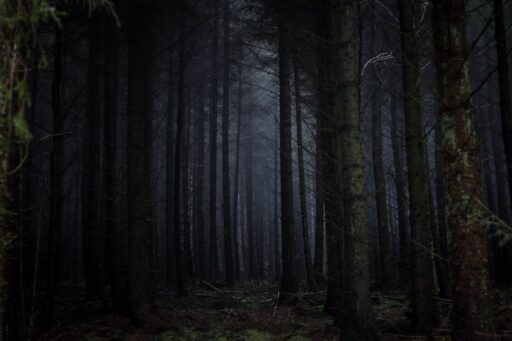
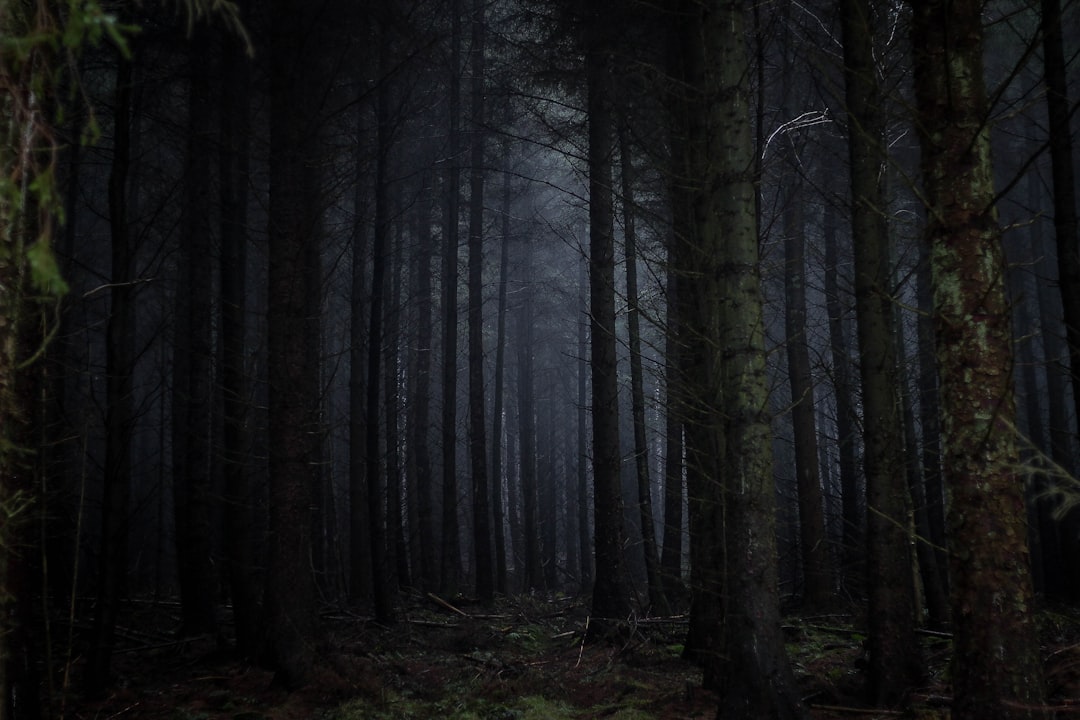
The game takes place in Vale Sangora, a fictional region nestled in the Carpathian Mountains of Eastern Europe during the fourteenth century. This is not a polished fantasy kingdom with gleaming castles and noble knights on white horses. It is muddy, superstitious, and dangerous. Plague and war have hollowed out the countryside. Villages cling to old rituals because the new faith has not fully taken root. Snow blocks the passes, wolves haunt the treeline, and the people who live here know that the night belongs to something older than any crown.
Choosing a grounded historical setting gives the fantasy room to breathe. Vampires in this world are not glittering aristocrats in velvet. They are part of the landscape, woven into peasant folklore and local legend. The mountains themselves become characters, isolating communities and turning every journey into a gamble. This is a place where a broken bridge can cost a life, and where a stranger arriving after dark is either a blessing or a death sentence.

Meet Coen, the Man Caught Between Two Worlds
At the heart of the story is Coen, a young man whose life is shattered in a single violent night. He becomes a Dawnwalker, a being trapped halfway between humanity and vampirism. He is not a hero chosen by prophecy. He is a person with a family, a home, and a limited amount of time to save both. The curse gives him terrifying power, but it also takes something from him with every passing hour.
Coen is by design a morally complicated protagonist. He is driven by love for the people he is trying to protect, and that love does not make him kind. It makes him capable of terrible things. The team behind the game has described him as someone who will do whatever it takes, and that phrase should send a shiver down your spine. In a world full of choices, the most interesting ones are never between good and evil. They are between two people you care about, and you only have enough time to save one.
Thirty Days, Thirty Nights, One Unforgiving Clock
Here is where The Blood of Dawnwalker becomes genuinely unusual. The game runs on a countdown. Coen has thirty days and thirty nights to rescue his family, and time is the one resource that cannot be farmed, bought, or reloaded away. Every quest you accept, every journey across the valley, and every hour of rest consumes a piece of that clock. Choosing to help a desperate farmer might mean arriving too late somewhere else.
This design turns ordinary role playing decisions into genuine dilemmas. You cannot do everything. You are not meant to. The game is built as a narrative sandbox where the world keeps moving whether or not you are paying attention. Characters have their own schedules. Opportunities open and close. A plan that works on day four may be impossible by day twelve. The result is a story that feels personal because it is shaped by what you sacrificed, not just by what you achieved.
It is a bold and risky idea. Players are used to being completionists, to sweeping every corner of a map before the final confrontation. Here that instinct becomes a trap. The game asks you to live with consequences, and that is exactly the kind of pressure that makes a story stick with you long after the credits roll.
Vampires Reimagined Through Slavic Folklore
Most modern vampire fiction owes more to Victorian novels and Hollywood than to the villages where the legends actually began. The Blood of Dawnwalker returns to the source. The creatures in this world draw from Slavic and Carpathian folklore, where the undead were less charming and far more frightening. They were tied to incomplete burials, to curses, to the fear of the outsider, and to the long dark months when the sun barely showed its face.
That folkloric grounding gives the game a texture that feels fresh even in a genre crowded with fangs. The vampires here are not a secret society pulling strings from a mansion. They are a fact of life, feared, whispered about, and sometimes bargained with. The line between monster and neighbour blurs, and that ambiguity is where the best horror lives.
Combat, Choices, and a Living Sandbox
Combat in The Blood of Dawnwalker reflects the duality of its hero. As a human, Coen is vulnerable, relying on steel, preparation, and the support of allies. As a creature of the night, he gains supernatural strength, heightened senses, and abilities that no ordinary soldier can match. The trade off is thematic as much as mechanical. Power always costs something, whether it is trust, reputation, or the last shreds of his humanity.
The team has emphasised that this is a single player experience with a strong narrative spine, not a live service platform stuffed with seasonal content. That alone is a statement of intent. In an industry obsessed with endless engagement, Rebel Wolves is promising a story with a beginning, a middle, and an ending. It is a story you finish, think about, and then start again to see what a different set of choices would have produced.
When Can You Play It?
The Blood of Dawnwalker is being published by Bandai Namco Entertainment and is headed to PC, PlayStation 5, and Xbox Series X and S. The game is targeting a 2026 release window. A cinematic trailer introduced the world and its hero, while later showcases have begun to pull back the curtain on gameplay, showing exploration, combat, and the haunting atmosphere the team is chasing.
For a project of this scale, that window matters. It places the game in a crowded period, competing for attention against established franchises. Yet the buzz around it suggests it will not be overlooked.
Why the Buzz Refuses to Fade
Every so often a game captures the imagination before it is even finished, and The Blood of Dawnwalker has done exactly that. Part of it is the pedigree. Part of it is the premise, which combines two things players rarely see together, a vampire power fantasy and a ticking clock that punishes greed. Part of it is simply the mood, the snow, the howling wolves, and the sense that something ancient is watching from the treeline. Most of all it is the promise of consequence. Modern players have grown tired of worlds that bend over backwards to accommodate them. A game that says no, that closes doors, and that makes you watch a family suffer because you chose to save a stranger, is a game that respects its audience. That is a rare and valuable thing.
Conclusion
The Blood of Dawnwalker is more than an upcoming release. It is a statement about what dark fantasy role playing games can still be. It offers a haunted valley, a cursed hero, and a clock that never stops. It offers vampires pulled from the soil of real legend rather than the polish of a Hollywood soundstage. And it offers players something increasingly precious in modern gaming, the freedom to make mistakes and the weight to feel them.
If Rebel Wolves delivers on even half of what the trailers and interviews suggest, this could be one of the defining games of its year. Until then the countdown continues, both in the game and in the hearts of everyone waiting to step into Vale Sangora.
