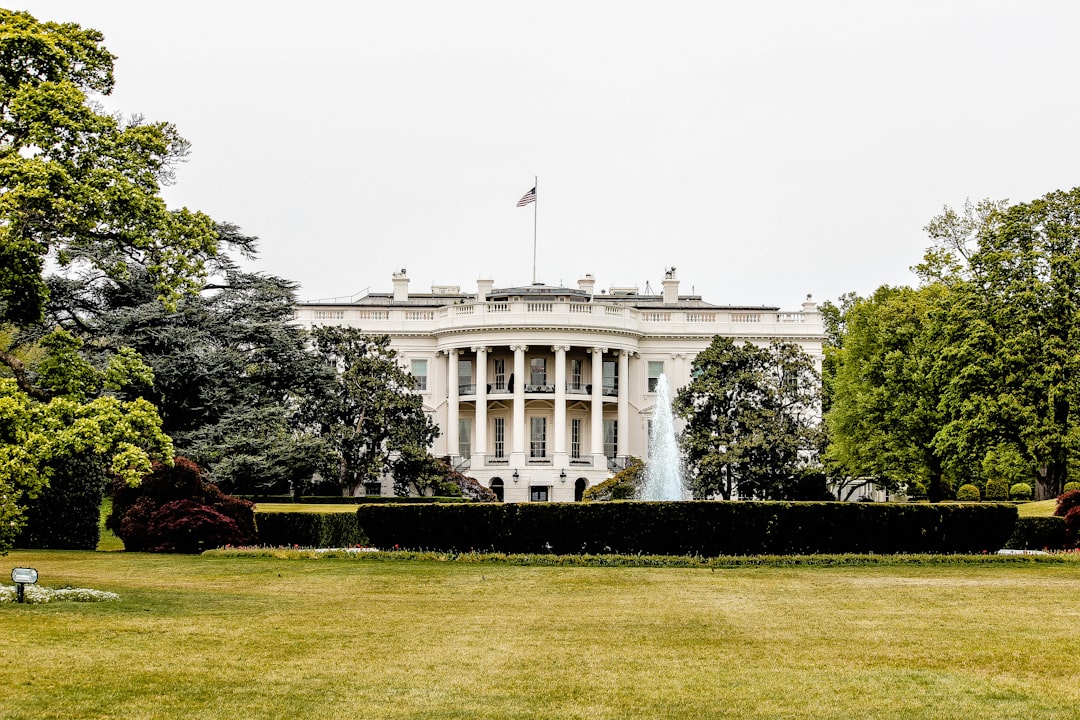
It began as a whisper in the corridors of power, a seemingly routine renovation inside the most famous residence in America. But somewhere between the marble floors and the gilded walls, that whisper turned into a roar, and before long the entire nation was watching a legal showdown that would land squarely on the doorstep of the Supreme Court. This is the story of the White House ballroom, a construction project, and a lawsuit that refuses to stay quiet.
The search data tells its own tale. In the span of a single week, interest in the word supreme exploded, climbing by an astonishing two hundred percent as Americans scrambled to understand what was happening. The phrases lighting up search engines painted a vivid picture: Washington DC Trump construction projects, Supreme Court ballroom, DOJ White House ballroom construction, and above all, the Trump White House ballroom lawsuit. People were not merely curious. They were hungry for answers, for context, and for clarity on a story that seemed to change by the hour.

Every great drama needs a setting, and this one has one of the most iconic in the world. The White House ballroom has hosted presidents, dignitaries, and history itself for more than two centuries. It is a room designed for celebration, for diplomacy, and for the quiet weight of American power. So when news broke that a construction project inside that hallowed space had triggered a legal fight, the public reaction was immediate and intense.
At the heart of the matter is a dispute over what exactly is being built, how it is being approved, and who has the authority to make it happen. Supporters of the project insist it is a necessary modernization, a long overdue update to infrastructure that has aged gracefully but needs attention. Critics argue that the process has been rushed, that corners are being cut, and that the law is being stretched in ways that should concern every citizen.
What began as an administrative disagreement quickly escalated. Letters were exchanged. Objections were filed. And then, as these things so often do, the dispute found its way into the courts, where lawyers on both sides sharpened their arguments and prepared for a fight that would capture the attention of the nation.

Beneath the headlines and the heated rhetoric lies a legal question of genuine significance. The lawsuit challenges the legitimacy of the construction project, arguing that it was approved without proper oversight and in violation of established procedures. The plaintiffs contend that the rules exist for a reason, and that even the highest office in the land must follow them.
The defense, for its part, maintains that the project is fully legal, that every required step was taken, and that the lawsuit is little more than an attempt to score political points. They point to decades of precedent, to similar renovations undertaken by previous administrations, and to the urgent practical need for the work to proceed without further delay.
Legal scholars have weighed in on both sides, and the debate has become a fascinating case study in how power, procedure, and politics collide. Some argue that the case could set an important precedent for how major government projects are reviewed. Others warn that a ruling against the project could stall necessary work for years, leaving the iconic building in a state of limbo.
The Department of Justice Steps Into the Spotlight
Perhaps the most intriguing twist in this unfolding saga is the role of the Department of Justice. The DOJ has become deeply involved in the White House ballroom construction matter, adding another layer of complexity to an already tangled web. When the federal government’s top law enforcement agency enters a fight like this, everyone takes notice.
The DOJ’s involvement signals that this is far more than a local zoning dispute. It is a matter of federal law, of executive authority, and of the delicate balance between the branches of government. The agency’s lawyers have filed arguments, made appearances, and signaled that the administration intends to defend the project with the full weight of the federal government behind it.
This development has only intensified public interest. Suddenly, the story is not just about a room in the White House. It is about the rule of law itself, about whether the executive branch can act unilaterally, and about the role of the courts in checking that power. Those are questions that have defined American democracy since its founding.
Why This Case Matters for Every American
It would be easy to dismiss this as inside baseball, as a squabble among Washington insiders with no real impact on everyday life. But that would be a mistake. The case touches on fundamental questions about how the government operates, how it spends public money, and how it is held accountable for its decisions.
When the Supreme Court takes up a matter like this, the implications ripple far beyond the walls of the White House. The Court’s ruling could shape the way future administrations approach major projects, the standards they must meet, and the scrutiny they must endure. It could also send a message about the limits of executive power, a message that will be studied by lawyers and lawmakers for generations.
For ordinary Americans, the case is also a reminder that the institutions designed to check power still work. The courts exist precisely for moments like this, when the actions of the powerful must be examined under the cold, clear light of the law. Whether you support the project or oppose it, there is something reassuring about watching the system do what it was built to do.
What Happens Next in the Supreme Court
As the case moves through the judicial process, all eyes are on the Supreme Court. The justices will have to weigh competing arguments, consider the finer points of administrative law, and ultimately deliver a decision that will be scrutinized from every angle. It is a heavy burden, and the entire country is watching.
Legal analysts expect the proceedings to be closely followed, with every hearing, every brief, and every statement dissected in real time. The outcome is far from certain, and both sides believe they have the stronger case. What is certain is that this story is far from over, and the next chapter could arrive at any moment.
For those following along at home, the key is to stay informed and to look beyond the headlines. The details matter, the procedures matter, and the precedents matter. This is democracy in action, messy, dramatic, and occasionally breathtaking, and it is happening right now in the nation’s capital.
How to Follow This Developing Story
If this case has captured your attention, you are far from alone. Search interest in the story remains high, and new developments are emerging all the time. The best way to stay ahead of the curve is to keep an eye on the search trends, follow trusted legal analysts, and check reliable news sources for updates as the case unfolds.
The beauty of the modern information age is that we can all be eyewitnesses to history. From the comfort of our own homes, we can track the arguments, understand the stakes, and form our own opinions about a case that could define the limits of executive power for years to come.
Whether this is your first time following a Supreme Court case or your hundredth, there is something electric about the moment when the highest court in the land prepares to speak. It is a reminder that in America, no one is above the law, not even the most powerful office in the world.
The Verdict Is Still Out
As the dust settles and the legal teams prepare for the next round, one thing is clear: this story has captured the imagination of the nation. A construction project, a ballroom, and a lawsuit have combined into a drama that has everything, power, politics, procedure, and the eternal question of who gets to decide.
The Supreme Court will ultimately have its say, and when it does, the ruling will reverberate far beyond the marble hallways of Washington. It will be a statement about the rule of law, about the balance of power, and about the enduring strength of American institutions.
Until then, the search continues, the arguments rage, and the nation watches. The White House ballroom may be silent for now, but the battle over it is anything but quiet. Stay tuned, because the next chapter of this remarkable story could begin at any moment, and you will not want to miss it.