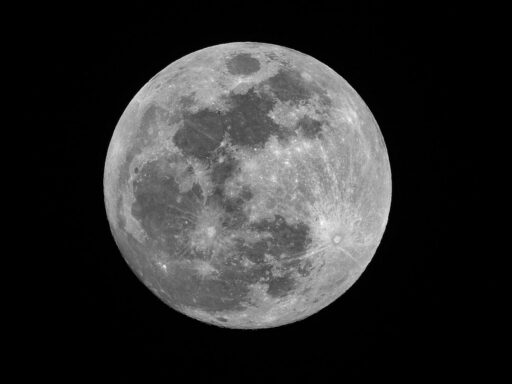
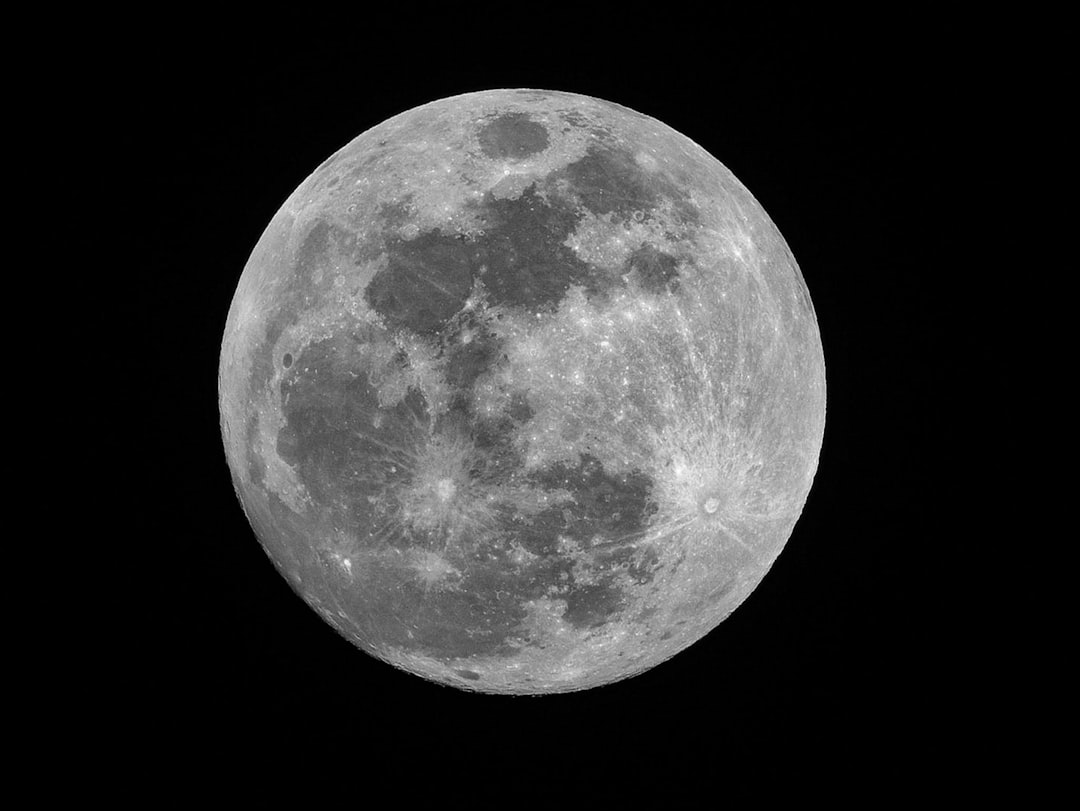
There is something magnetic about a full moon. When the sky clears and that great silver disc climbs above the horizon, the world seems to hold its breath. Dogs howl, tides swell, and for a few precious hours, we are all reminded that we live on a spinning rock inside an endless, glittering universe. Now imagine that full moon wearing a shadow. Imagine a bite being taken out of its luminous face, turning the night into a slow, silent drama. That is exactly what is coming on August 28, 2026, and it is the reason people across Canada cannot stop searching for answers.
Search interest for the August 2026 full moon has exploded, climbing by an astonishing 800 percent in recent days. Everyone wants to know the same things: When exactly will it happen? Will the eclipse be visible from my city? Do I need special equipment? And what does a full moon plus a lunar eclipse actually mean? This guide answers all of those questions and more, so grab a warm blanket, a cup of tea, and settle in for the story of one of the most beautiful nights of the decade.

Why the August 2026 Full Moon Is Not Just Another Full Moon
Every month brings a full moon, and every full moon has its own character. August’s offering is traditionally called the Sturgeon Moon, a name handed down from the Algonquin peoples who noticed that the great fish of the Great Lakes were easiest to catch during this bright summer phase. Some traditions call it the Corn Moon or the Red Moon, but whatever you name it, the August 2026 version is special for one simple reason: it will be joined by a partial lunar eclipse.
That combination is rare enough to get astronomers excited and common enough to be enjoyed without any fancy gear. On the night of August 27 into the early morning of August 28, the full moon will pass through the outer and inner shadow of Earth, producing a celestial event that will be visible, at least in part, from much of North America and Europe. For Canadians, this means a front row seat to one of the most photogenic astronomical events of 2026.
Understanding the Lunar Eclipse: A Slow Dance of Shadows
To understand what you are about to see, picture the geometry of our corner of the solar system. The Sun shines, Earth stands in the middle, and the Moon travels its orbit around us. Most of the time, the Moon passes slightly above or below Earth’s shadow, which is why we do not get an eclipse every month. But occasionally, the alignment is just right, and the Moon slips into the shadow cone that our planet casts into space.
During a partial lunar eclipse, only a portion of the Moon enters the darkest part of the shadow, known as the umbra. The rest stays brightly lit by direct sunlight. The result is a full moon with a dramatic dark bite carved into its edge, a sight that slowly changes over the course of a couple of hours. As the Moon continues to move, the shadow creeps across its face, turning the affected region into a coppery, reddish tone. This is where the poetic nickname blood moon comes from, though in a partial eclipse the effect is gentler than in a total one.

When and Where to Watch Across Canada
Timing is everything when it comes to eclipses, and the good news is that the August 2026 event is wonderfully accommodating. The partial eclipse will unfold during the night of August 27 into the early hours of August 28, when the full moon will be high in the sky for most of the country. Unlike a solar eclipse, which demands special protective glasses, a lunar eclipse is perfectly safe to watch with the naked eye, binoculars, or a backyard telescope.
For the best experience, find a spot with a clear view of the southern and western sky and as little light pollution as possible. A park, a lakeshore, or even your own backyard will do. Allow your eyes a few minutes to adapt to the darkness, and bring a reclining chair so you can enjoy the show without straining your neck. The Moon will not rush, and neither should you. Watch how the shadow advances, how the color shifts, and how the sky around the Moon seems to deepen as the event progresses.
How to Photograph the Full Moon and Eclipse Like a Pro
If you have ever tried to photograph a full moon, you know it can be frustrating. The Moon is bright, the sky is dark, and most phone cameras struggle to balance the two. The secret is to start before the eclipse begins, when the full Moon is still fully lit, and to lock your focus on the lunar surface itself. If your phone allows manual controls, lower the exposure until the craters and maria become visible. A tripod makes a world of difference, as does a telephoto lens or a pair of binoculars held steady.
During the partial phase, the contrast between the bright and shadowed parts of the Moon is gorgeous. Try a few different exposures and take plenty of shots, because the light changes by the minute. You do not need a professional setup to capture a memorable image. Many of the best eclipse photos are taken with a simple phone propped on a fence, a rock, or a stack of books. The most important ingredient is patience, and the reward is a photograph you will treasure for years.
The Meaning, Folklore, and Energy of the August Moon
Long before telescopes and timetables, people watched the full moon with reverence. The August moon signaled abundance, the peak of summer harvests, and the beginning of the slow turn toward autumn. Many cultures saw the reddened, shadowed moon as a moment of transformation, a time to reflect, release, and renew. Even in our modern, screen lit world, there is something primal about standing under a full moon and feeling its quiet power.
Astrologers and moon lovers often describe the full moon as a moment of culmination, when intentions planted earlier in the lunar cycle come into bloom. A lunar eclipse amplifies that energy, inviting us to let go of what no longer serves us and to embrace change. Whether you take those ideas literally or simply enjoy the poetry of it, the August 2026 eclipse offers a perfect excuse to step outside, look up, and reconnect with the night sky.
A Night to Remember
Celestial events have a wonderful way of bringing people together. Neighbors gather on porches, families pull out old binoculars, and strangers at bus stops point at the sky. The full moon and partial lunar eclipse of August 28, 2026, will be one of those moments. No ticket is required, no passport, no special skills. All you need is a clear sky and the willingness to look up.
Mark the date, set your alarm, and tell your friends. The Sturgeon Moon is coming, and it is bringing a shadow with it. Whether you are a seasoned astronomer, a casual sky watcher, or someone who just loves a good excuse to stand in the moonlight, this is your night. Watch the sky, make a wish, snap a photo, and remember that in a universe full of noise and hurry, the Moon still takes the time to put on a show just for us.