For more than seventy years, a single name has been stitched into the everyday rhythm of Spanish life. It is painted on the factory gates of Catalonia, stamped on the tailgates of hatchbacks parked outside neighbourhood bakeries from Seville to Bilbao, and roared across racing circuits where young drivers dream of glory. That name is SEAT, and in 2026 the brand stands at one of the most important crossroads in its long history.
The carmaker that once put an entire nation on wheels is now reimagining itself for an electric era, defending thousands of jobs in its industrial heartland, and watching its sporty offshoot Cupra become one of the fastest growing car brands in Europe. At the same time, the union CCOO sits across the negotiating table, Grupo Volkswagen is making long term bets on Spanish manufacturing, and the town of Martorell has become a symbol of both the promise and the pressure of the green transition. Understanding SEAT today means understanding a company that is far more than a badge on a bonnet. It is an employer, a regional economy, and a laboratory for the future of European mobility.

From Barcelona to the World: The Origins of SEAT
The story begins in 1950, when the Spanish state and a group of private banks joined forces with the Italian giant Fiat to create Sociedad Española de Automóviles de Turismo. The name was deliberately long and formal, but the acronym SEAT quickly became part of the national vocabulary. In 1953 the first SEAT 1400 rolled out of the Zona Franca factory in Barcelona, a plant that would later become an industrial legend in its own right.
The real revolution arrived with the SEAT 600, a tiny and affordable car that gave millions of Spanish families their first taste of freedom on four wheels. Whole generations learned to drive in one, and the little car became a character in the national story, appearing in films, songs and family photographs all over the country. Fiat technology, Spanish hands and a hunger for mobility combined to turn a modest manufacturer into the dominant force in the domestic market.
By the middle of the 1980s the relationship with Fiat had cooled, and a new partner stepped in. Volkswagen acquired a stake in SEAT in 1986 and gradually took full control, folding the Spanish brand into one of the largest automotive groups on the planet. The identity of SEAT survived, however. It kept its own design language, its own plants and its own fiercely loyal customer base.

Martorell: The Beating Heart of the Brand
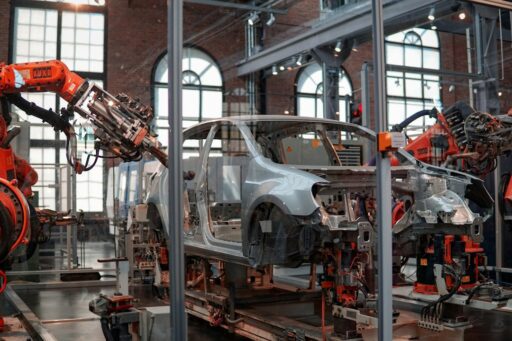
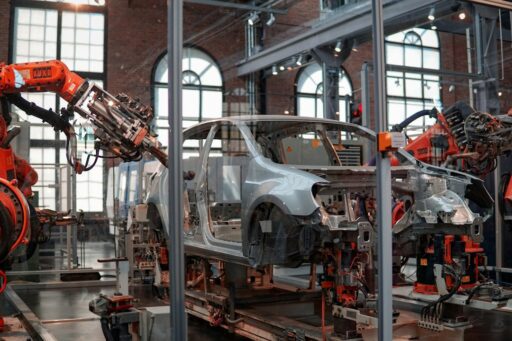
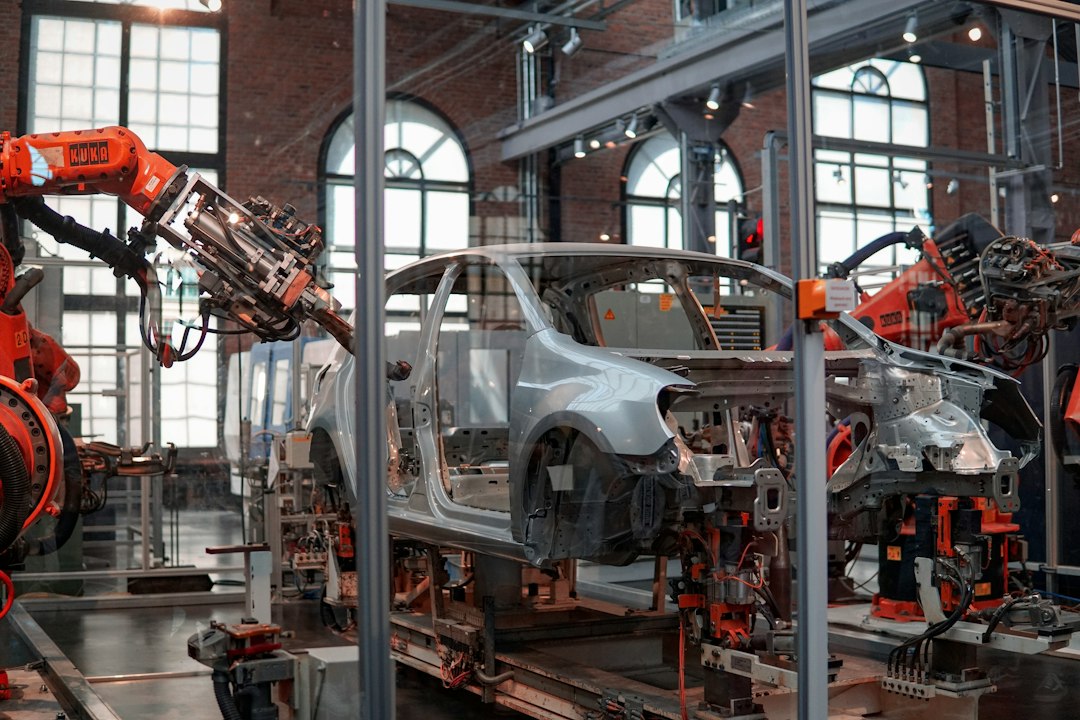
If Barcelona gave SEAT its origins, Martorell gave it its future. The plant opened its doors in 1993 and quickly grew into one of the most advanced and productive automotive factories in Europe. Located in the Baix Llobregat region of Catalonia, it became the single largest industrial employer in the area and the anchor of a vast network of suppliers, logistics firms and small businesses.
When people in Spain talk about Martorell, they are not simply talking about a building. They are talking about a community. Shifts change the rhythm of the town, buses fill with workers before dawn, and restaurants and shops depend on the wages the factory pays. The site has produced some of the brand’s most important models and, more recently, has been chosen to build the smallest electric cars of the entire Grupo Volkswagen range.
That decision turned Martorell into a frontline of the electric transition. Billions have been committed to retooling the site, installing battery assembly and training a workforce whose skills were built around combustion engines. The stakes could hardly be higher, because success or failure at Martorell will ripple through the whole Spanish automotive supply chain.
Cupra: The Rebellious Sibling That Took Over the Spotlight
For years, Cupra was simply a badge on the fastest versions of the SEAT Leon, a sign that a customer had chosen the spiciest option on the menu. That changed in 2018, when SEAT decided to spin Cupra off as a standalone brand with its own identity, its own showrooms and an unmistakably bold attitude.
The gamble paid off spectacularly. The Cupra Formentor became a genuine commercial phenomenon, and the electric Cupra Born and the rugged Terramar followed, giving the young brand a presence in almost every corner of the market. Cupra now sells in markets far beyond Spain, from Germany to Australia, and it has become one of the group’s most profitable ventures. Its headquarters remain in Martorell, a deliberate statement that the future of the brand is still rooted in Catalonia.
Motorsport has always been part of the soul of the company. From rally stages to touring car championships, SEAT and later Cupra used competition to prove that Spanish engineering could take on the world, and that racing DNA shapes the way the company tunes its chassis and speaks to drivers who care about pleasure as much as practicality. For many younger buyers, Cupra is now the face of Spanish motoring, while SEAT focuses on value, comfort and everyday mobility.
Grupo Volkswagen: A Spanish Brand in a German Family
SEAT occupies a special place inside Grupo Volkswagen, the sprawling empire that also includes Volkswagen, Audi, Skoda, Porsche, Lamborghini and Bentley. Unlike some of its siblings, SEAT was given responsibility for developing small cars for the whole group, a vote of confidence that has shaped its recent history.
This arrangement means the engineering done in Spain now underpins vehicles sold under several different badges. The small electric platform developed with the group is a prime example, with models destined for both the SEAT and Volkswagen ranges rolling off the same lines in Martorell. Being the small car specialist comes with pressure, because margins are thin and competition is brutal, but it also guarantees investment and long term relevance.
The relationship has not always been smooth. Spanish workers and politicians have sometimes worried that decisions made in Wolfsburg could sideline local plants, and every new model allocation is watched like a political event. Yet the group has repeatedly chosen Spain for major projects, and that commitment is the reason Martorell remains busy today.
CCOO and the Workers: Negotiating the Next Chapter
No account of SEAT would be complete without the unions. CCOO, the Comisiones Obreras, is one of the largest and most influential trade unions in Spain, and it plays a central role in representing the men and women who build the cars. Collective bargaining at SEAT is followed closely across the country, because the agreements reached there often set the tone for the wider industrial sector.
The central question in every negotiation is the same: how do you manage the shift to electric vehicles without leaving workers behind? Building an electric car takes fewer components and fewer hours of assembly than a traditional combustion model, which creates genuine anxiety about employment. Unions have pushed for job guarantees, retraining programmes, voluntary early retirement schemes and clear commitments on future production volumes.
CCOO has also argued that public money invested in the transition should come with conditions protecting employment and strengthening local supply chains. The debate is not simply about wages. It is about whether a region that built its identity around car making will still have a place in the automotive world of 2035 and beyond. Every agreement signed at Martorell is therefore a small piece of a much larger European story.
Electric Ambitions and the Road Ahead
The next chapter of the SEAT story will be written in battery cells and software. Spain has positioned itself as a European hub for electric vehicle production, supported by public funding programmes designed to attract investment and build a domestic battery industry. Martorell sits at the centre of that effort, preparing to build affordable electric cars intended to bring zero emission driving to ordinary households rather than only to wealthy early adopters.
Affordability is the keyword. The small electric cars planned for Martorell are designed to compete on price with conventional petrol models, which means every euro of cost matters. Engineers are working on lighter platforms, cheaper batteries and more efficient factories, while designers try to keep the emotional appeal that has always defined the brand.
The challenges are real. Manufacturers from Asia are flooding Europe with competitive electric cars, trade tariffs are reshaping the market, energy costs remain volatile, and consumer confidence in charging infrastructure is still fragile. SEAT must navigate all of this while keeping its factories running and its workers employed. It is a difficult balancing act, and it explains why the brand attracts so much attention whenever news breaks about investments, union talks or new models.
It is also worth remembering how much of the Spanish economy depends on this industry. Automotive manufacturing and its suppliers account for a huge share of national exports and industrial employment, and the regions that host the plants have built entire ecosystems of small firms around them. When a factory like Martorell commits to a new model, it is not just a corporate decision. It is a signal that tens of thousands of indirect jobs have a future.
Why SEAT Still Matters
SEAT is more than a car company. It is a piece of Spanish industrial identity, a source of regional pride in Catalonia and a barometer for how Europe is handling the most disruptive change in the history of the automobile. The names that surround it tell the story perfectly: Martorell, the factory town that lives and breathes the brand, Cupra, the daring challenger that conquered new markets, Grupo Volkswagen, the global parent with deep pockets and high expectations, and CCOO, the union fighting to make sure the transition is fair.
For readers, drivers and anyone watching the automotive world, SEAT offers a fascinating case study. It shows how heritage and reinvention can coexist, how a national champion can survive inside a multinational group, and how the race to electrification is ultimately a race to protect livelihoods as much as it is a race to build better machines.
So the next time a SEAT or a Cupra passes you on a Spanish road, look a little closer. Behind that badge sits a story of ambition, negotiation and reinvention that stretches from a modest workshop in 1950s Barcelona to a high tech factory in Martorell preparing to build the electric cars of tomorrow. The road ahead is uncertain, but few brands in Europe have more reasons to keep moving forward.