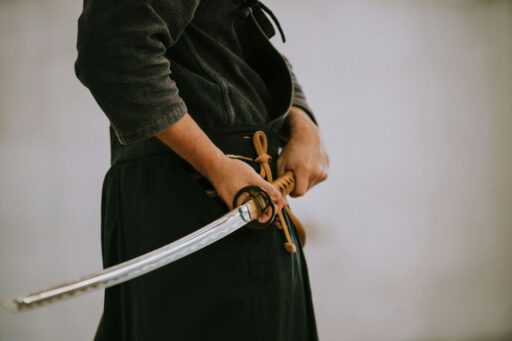
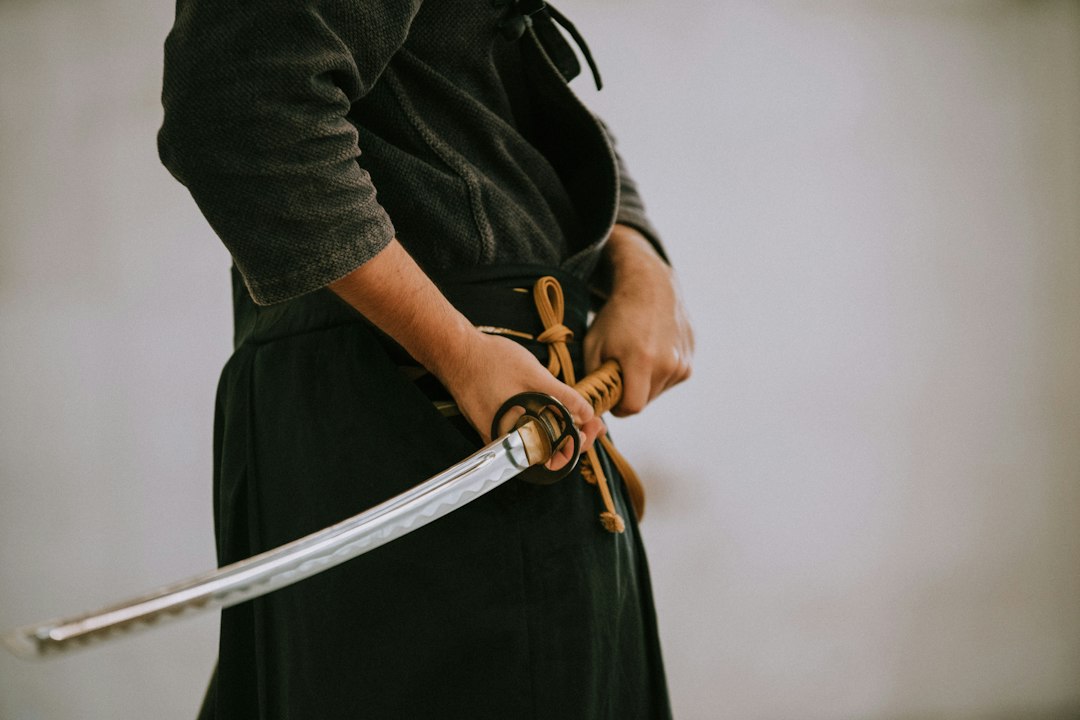
The rain never stops in this part of Kyoto. Paper lanterns sway above wet cobblestones, shopkeepers bar their doors before dusk, and the only sound left in the world is the whisper of a blade sliding free of its sheath. That is the stage Capcom has built for Onimusha Way of the Sword, and it is the reason millions of players are suddenly talking about a samurai series that had been quiet for almost twenty years.
The announcement landed like a thunderclap. Capcom stepped onto the stage at The Game Awards in December 2024 and revealed that Onimusha was coming back, not as a remaster, not as a mobile spin off, but as a full blown new mainline entry built on the company’s own RE Engine. For fans who had spent two decades begging for a revival, it felt less like a trailer and more like a homecoming.

A Series That Refused to Die
To understand the weight of this moment, you have to go back to 2001. Onimusha Warlords arrived on the PlayStation 2 and did something rare. It mixed survival horror tension with samurai swordplay, wrapped it in pre rendered backgrounds that looked like paintings, and let players absorb the souls of defeated demons to grow stronger. The game sold millions, spawned sequels, and became one of the defining action titles of its generation.
Onimusha 2 Samurai’s Destiny followed in 2002, then Onimusha 3 Demon Siege in 2004, which famously folded French actor Jean Reno into a time travelling story about demons invading both Paris and feudal Japan. Onimusha Dawn of Dreams closed the original saga in 2006. After that, silence. A remaster of the first game appeared in 2018, and the faithful treated it like a flare in the dark. Now the flare has become a bonfire.
The original trilogy told a sweeping story across centuries, following samurai protagonists as they battled the demon lord Nobunaga Oda and the monstrous Genma that served him. Way of the Sword carries the spirit of that saga while standing firmly on its own feet. Newcomers can walk in blind, and longtime fans will still spot the fingerprints of the old lore in weapon designs, enemy types and the steady hum of the gauntlet.
Welcome to the Streets of Edo Era Kyoto
Onimusha Way of the Sword plants its feet in early seventeenth century Japan, a country freshly unified under the Tokugawa shogunate. The city of Kyoto is the heart of the story, a place of grand temples, crowded markets, quiet gardens and secrets buried beneath the floorboards. It is also a city under siege from something far worse than politics.
The Genma have returned. These demonic hordes, the same nightmare creatures that haunted the original trilogy, are seeping into the capital and twisting everything they touch. Crops rot, rivers run black, and ordinary people vanish in the night. The shogunate is powerless, the temples are afraid, and into that darkness walks a single swordsman with a gauntlet that glows the colour of an ember.
The Man Behind the Blade
That swordsman is Miyamoto Musashi, one of the most famous figures in Japanese history. The real Musashi lived from around 1584 to 1645, fought dozens of duels, founded a school of swordsmanship, and wrote the Book of Five Rings, a text still studied by strategists and martial artists today. His most legendary encounter came in 1612 against Sasaki Kojiro on the shore of Ganryu Island, a duel that ended in seconds and became the stuff of folklore.
Capcom has leaned hard into that myth without turning it into a history lecture. The studio has openly said the character’s look and swagger were inspired by Toshiro Mifune, the legendary actor who played wandering swordsmen in classic samurai cinema. The result is a hero who feels like he walked straight out of a black and white masterpiece and into a modern action epic.

One Blade Against an Army of Demons
Combat is where Onimusha Way of the Sword makes its loudest argument. The Oni Gauntlet returns, and with it the soul absorbing mechanic that fans have missed. Every demon you cut down releases energy that can be drawn into the gauntlet and spent on new abilities, stronger weapons and devastating special attacks. It creates a rhythm that rewards aggression, because the more you kill, the more powerful you become.
Swordplay sits at the centre of the experience. The Issen counter is back, that split second parry that turns an enemy’s attack into your own instant execution. Timing it perfectly still feels like catching lightning in a bottle. Different weapon types open different play styles, from balanced katana work to heavier strikes that break through armour and crowd control tools that clear a room when the horde closes in.
The RE Engine gives all of this a brutal shine. Rain glistens on lacquered armour, torchlight flickers across bloodied steel, and the Genma designs are grotesque in the best possible way. Capcom has clearly studied what makes modern action games sing while keeping the deliberate, tense pacing that made the original trilogy feel like survival horror with a sword.
Release Date, Platforms and What Comes Next
Right now the official word is simple. Onimusha Way of the Sword is targeting a 2026 launch. It will arrive on PlayStation 5, Xbox Series X, Xbox Series S and PC through Steam. A precise day and month have not been locked in yet, which is exactly why search interest around the release date keeps spiking every time a new trailer drops or a developer interview appears.
Capcom has been careful with information, releasing short gameplay glimpses and concept art rather than a full marketing blitz. That restraint has done the game a favour. Speculation fills the gaps, fan theories spread quickly, and every small reveal becomes an event. When a studio holds back, the audience leans forward.
What Reviewers and Players Will Be Watching
When review copies eventually land, three questions will decide the conversation. First, does the combat feel as sharp as it looks, or does the camera and lock on system fight the player? Second, does the story honour Musashi as a character rather than a mascot? Third, does the game respect its own legacy without becoming a museum piece that only rewards nostalgia?
There is also the question of length and structure. Modern players expect a substantial campaign, side objectives worth chasing, and reasons to return after the credits roll. A new game plus mode, unlockable weapons and secret boss encounters would go a long way. Capcom has a strong track record here, and the studio’s recent run of well received action titles suggests the foundations are solid.
Why This Revival Matters Beyond One Game
Onimusha Way of the Sword is bigger than a single release. It is a test of whether classic Japanese action franchises can be reborn for a new generation without losing the edge that made them special. If it succeeds, the door opens for more revivals, more risks, and more midnight launches for games that treat swords as instruments of both beauty and terror.
For players who never touched the originals, this is a clean entry point with no homework required. For veterans, it is a chance to see an old friend sharpen his blade again. Either way, the appeal is the same. A lone warrior, a haunted city, and a gauntlet hungry for souls.
The Final Word
The rain keeps falling on Kyoto. The Genma keep coming. And somewhere in the fog, Miyamoto Musashi is already walking toward the fight. Onimusha Way of the Sword promises the return of a legend, rebuilt with modern technology but powered by the same dark, elegant fantasy that captivated players more than two decades ago.
Keep an eye on 2026. Watch the trailers closely, follow the release date announcements, and pay attention to the first reviews. If Capcom gets this right, the sword will not be going back into its sheath anytime soon. The blade is sharp, the city is waiting, and the demons have no idea what is about to walk through the gate.

