Something is stirring in the world of gaming, and it feels like a fresh cartridge sliding into a brand new console. For months the whispers about a successor to the Nintendo Switch have grown louder and louder, and now the conversation has exploded into a full blown phenomenon. The Nintendo Switch 2 is no longer a distant rumor muttered behind closed doors. It is the topic on every forum, every group chat, and every late night conversation between friends who grew up holding a controller. And standing right beside it is a name that makes hearts race, The Legend of Zelda Ocarina of Time.
For a whole generation of players Ocarina of Time is not simply a game. It is a memory. It is the summer afternoon spent lost in Hyrule Field, the moment the Temple of Time opened, the shock of pulling the Master Sword from its pedestal and waking up seven years later. Now, with the Nintendo Switch 2 on the horizon and talk of an Ocarina of Time remake spreading like wildfire, that memory could be reborn in ways we never imagined.

The Nintendo Switch 2 Finally Steps Into the Light
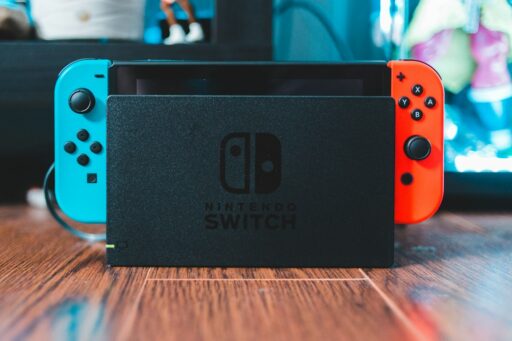
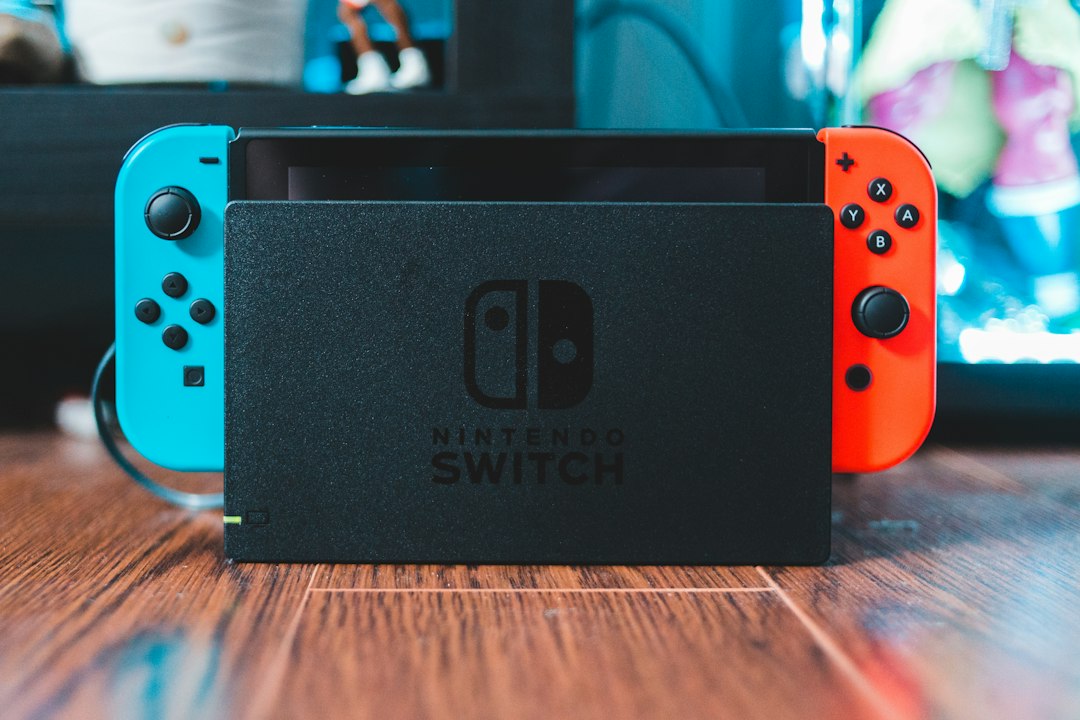
The Nintendo Switch 2 is the long awaited follow up to one of the most successful consoles ever built. The original Switch blurred the line between home console and handheld device, letting players dock it to a television or carry it on a train. It sold in astonishing numbers and built a library that spans Mario, Zelda, Animal Crossing, Pokemon and countless third party adventures. A successor was always going to come, and now it has arrived with the weight of enormous expectations resting on its shoulders.
What makes the Nintendo Switch 2 so compelling is how it builds on the idea rather than abandoning it. The hybrid concept remains, but everything around it is sharper. Faster loading, richer visuals, a more responsive screen and controllers that feel refined in the hand. Developers finally have the headroom to bring big budget worlds to a portable machine without compromise. For players who have spent years watching other platforms enjoy the most demanding releases, this is the moment the gap closes.
Ocarina of Time Steps Back Into the Spotlight
If the Nintendo Switch 2 is the hardware story, Ocarina of Time is the emotional one. Released decades ago, the game defined what a three dimensional adventure could be. It taught a generation how to lock onto a target, how to ride across an open plain, how to solve puzzles in a dungeon that felt alive. Critically it also told a story about time, courage and growing up, and that story stuck with people long after the credits rolled.
Talk of a remake has circulated for years, but the arrival of the Nintendo Switch 2 gives those whispers real weight. A rebuilt Ocarina of Time could offer modern lighting, hand crafted textures and a Hyrule that feels vast instead of fragmented. Imagine stepping into Kakariko Village with soft morning light spilling across the rooftops. Imagine the Water Temple reimagined with interface improvements that remove decades of frustration while keeping the challenge intact. For many fans this is not just a remake, it is a homecoming.

Nintendo Direct and the Art of the Surprise
Nintendo has always understood the theatre of the reveal. A Nintendo Direct is more than a video presentation. It is an event, a shared moment where millions of people watch the same stream and react together in real time. Announcements land like thunderclaps, and within minutes the internet is dissecting every frame for hidden clues. A shadow here, a logo there, a few seconds of music, and suddenly everyone becomes a detective.
That is exactly how anticipation for the Nintendo Switch 2 and a possible Zelda return has been fuelled. Each Direct becomes a scavenger hunt. Fans comb through footage looking for a familiar temple, a hint of a green tunic, or the shape of a musical instrument. The beauty of this approach is that it turns marketing into community storytelling. Everyone gets to participate, and everyone gets to dream a little.
A Zelda Edition Console and the Nintendo Store Rush
Special edition hardware has become a tradition, and a Switch 2 Zelda Edition feels almost inevitable. Picture a console decorated with Hylian crests, golden accents, and a dock that looks like a relic pulled from a forgotten ruin. Limited runs like this tend to vanish quickly, and the Nintendo Store often becomes the front line of the battle. Refresh buttons are mashed, stock counters drop to zero, and lucky players share their victory photos while everyone else waits for a restock.
For collectors the appeal is obvious. A themed console is a piece of history, a physical object that captures a specific moment in time. For everyone else it is simply a beautiful machine that makes the ritual of gaming feel special. Either way, the Nintendo Store becomes a pressure cooker of excitement whenever new hardware and a beloved franchise collide.
Link, Hyrule and the Nostalgia Engine
At the centre of all of this stands Link, the silent hero in green. He never speaks, yet he carries an entire mythology on his shoulders. Players project themselves onto him, and that is precisely why he endures. When Link draws a sword, we feel the weight of it. When he plays a melody on the ocarina, we remember learning those same notes as children, scribbling them onto notebooks and humming them at school.
Nostalgia is a powerful engine, but it only works when the underlying quality is real. Ocarina of Time remains beloved because it was genuinely revolutionary. Its puzzles were clever, its world was inviting, and its pacing respected the player. A remake on the Nintendo Switch 2 would not be cashing in on sentiment alone. It would be reintroducing a masterpiece to people who never had the chance to experience it the first time, and offering veterans a reason to fall in love all over again.
Why This Moment Matters for Players
There is something wonderful about a console launch that arrives alongside a legend. New hardware gives us better graphics and faster load times, but it is the games that give those improvements meaning. A Nintendo Switch 2 loaded with a reimagined Ocarina of Time would be a statement of intent. It would tell players that the past and the future can share the same screen.
For families it means a parent can hand a controller to a child and say, this is what I grew up with, except now it looks like a dream. For long time fans it means revisiting a world that shaped their taste in stories and adventure. And for newcomers it means discovering why so many people speak about a single game with such reverence.
Conclusion
The Nintendo Switch 2 is more than a piece of hardware. It is a promise that the magic continues, that the next great adventure is already being built, and that the door to Hyrule is still open. Combine that with the possibility of an Ocarina of Time remake, a Zelda Edition console and a Nintendo Direct full of surprises, and you have one of the most exciting periods in modern gaming.
So keep an eye on the Nintendo Store, keep watching those Direct streams, and keep your ocarina close. Whether you are a veteran who remembers the first time the sun rose over Hyrule Field or a newcomer ready to meet Link for the very first time, the road ahead looks bright. The legend is not finished. In many ways it is only just beginning, and the best chapters are still waiting to be played.