Something strange happened to the map of North America this week. Millions of people woke up, opened their favorite navigation app, and typed in a name they had known since childhood. Some found exactly what they expected. Others blinked twice at the screen.
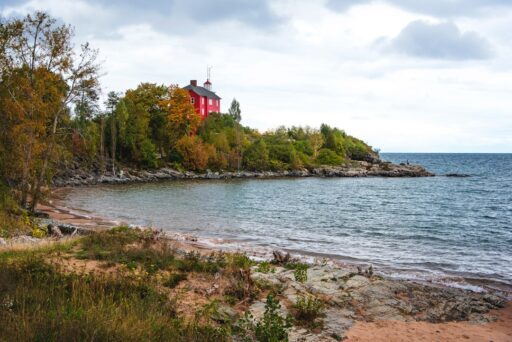
Lake Ontario, one of the five Great Lakes that has drawn the border between the United States and Canada for generations, suddenly became the center of a national conversation under a new label. Lake America. The chatter spread so fast that search engines lit up with questions. Where is Lake Ontario? Did Trump rename Lake Ontario? Who owns Lake Ontario? And above all, Americans everywhere pulled up MapQuest, Google Maps, and Apple Maps to see if the map itself had changed.
By the time the dust settled, MapQuest had become one of the most searched terms in the entire country, a remarkable moment for a service that many had quietly forgotten. This is the story of how a lake, a president, and a furious debate over names sent an entire nation back to its maps.

The Rumor That Sent Everyone Back to Their Maps
It started like so many modern news cycles do, with a headline, a rumor, and a thousand shares. Word spread that President Donald Trump had moved to rename Lake Ontario as Lake America, part of a wave of geographic rebranding that began when the Gulf of Mexico officially became the Gulf of America earlier in the year. The claim swept across news feeds, and within hours the great lakes were the talk of the country.
The reaction was immediate and loud. Late night hosts turned the story into comedy gold. Politicians weighed in from every direction. Michigan Representative Debbie Dingell questioned the practical value of the change while former Secretary of State Hillary Clinton offered sharp commentary of her own. Sportscaster Al Michaels even got pulled into the conversation after an old Thursday Night Football broadcast clip resurfaced online, and the internet decided that Donald Ducks memes were the only appropriate response to a very serious geopolitical question.
And as the debate roared across social media, curious Americans did the only logical thing. They opened their maps to look for themselves. That is when the search traffic exploded. Google Trends recorded a staggering surge in queries tied to the lake, the renaming, and the map apps that display it. MapQuest, the grand old name of American navigation, saw search interest climb to historic highs as users checked whether the service had quietly updated its labels.
The Order Behind the New Name
The renaming push did not come out of thin air. It followed the precedent set by the executive order that turned the Gulf of Mexico into the Gulf of America, a decision that took effect across federal documents and quickly appeared in digital maps. Supporters framed the move as a patriotic statement. Critics called it symbolic politics with real world confusion attached. Now the same logic was being aimed northward at Lake Ontario, the smallest of the Great Lakes by surface area yet one of the most politically complicated bodies of water on the continent.
The lake sits on the boundary between New York State and the Canadian province of Ontario, a shared waterway that belongs to no single nation. That single fact would turn out to be the heart of the entire debate. When a president says a name out loud, people listen. When that name belongs to a lake that another country also calls its own, the whole world listens a little more carefully. Canada, unsurprisingly, did not treat the idea as a light matter, and the phrase Trump Canada began trending right alongside the lake itself.
For many Americans the order raised a deeper question. If a president can rename a gulf, can he rename a lake? If a map can change the Gulf of Mexico overnight, can it change Lake Ontario just as fast? The answers, it turns out, are far more complicated than any single headline could explain, which is exactly why people kept searching.
What the Apps Show Right Now
So what happens when you actually open the map? The answer depends on which app you ask, and that inconsistency became its own story.

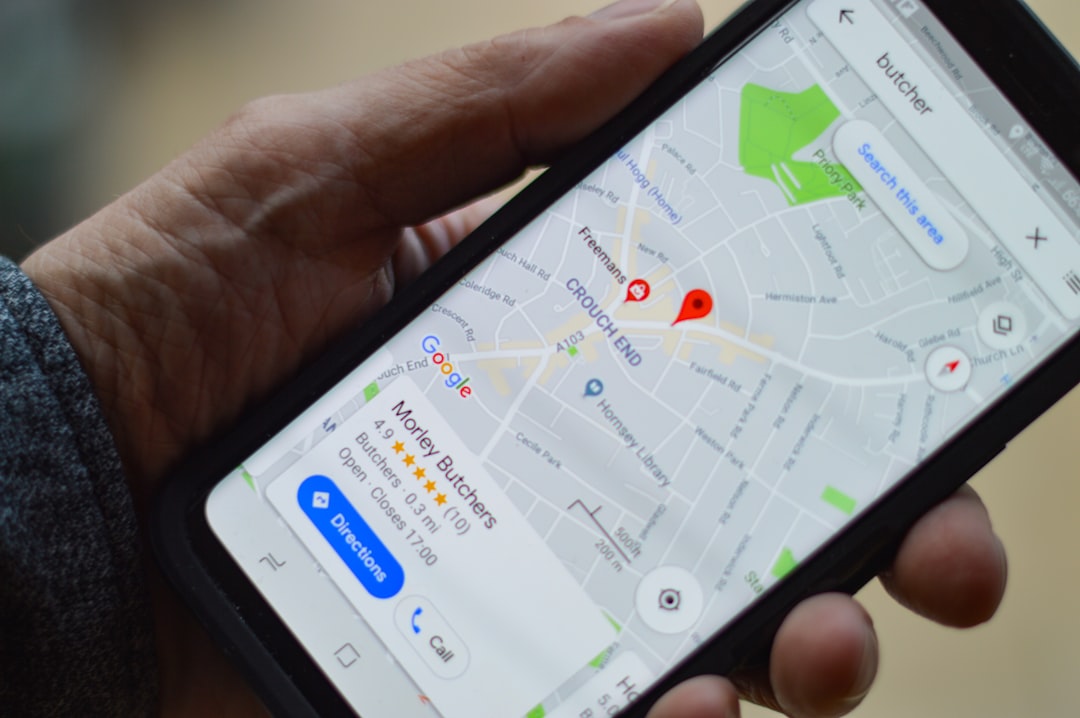
Google Maps, which had already updated the Gulf of Mexico label to Gulf of America for users inside the United States, became the reference point for the entire discussion. Users in America began seeing the new name on their screens while users elsewhere still saw the old one, creating a strange split screen effect that confused and fascinated people in equal measure. Apple Maps followed a similar path, and screenshots of both apps flooded social media as people compared notes on what they saw from their own couches.
MapQuest, the service that powered the earliest days of American turn by turn navigation, became the unexpected star of the moment. Longtime users who had not opened the site in years returned to check its labels, driving the massive spike in search volume. MapQuest quickly became shorthand for the act of verifying the news yourself, proof that even in the age of voice assistants and smart navigation, millions of people still trust the old ways of finding their way. The question Lake Ontario map appeared again and again, right beside the simpler query of us map, as a nation tried to orient itself inside a story that kept shifting.
Can a President Really Rename a Lake?
The legal question underneath all the buzz is a serious one. In the United States, the federal government holds considerable authority over geographic names through the Board on Geographic Names, which maintains the official labels used by federal agencies. When the board approves a change, federal maps, documents, and databases follow. That is how the Gulf of America designation became official inside American systems so quickly, and that is why so many people assumed the same process could simply repeat itself for the lake.
But Lake Ontario is different. It is not entirely American water. The lake forms part of the international boundary with Canada, which means its name is recognized by treaty, by international practice, and by the Canadian government itself. One country cannot simply rename a shared body of water and expect the rest of the world to fall in line. International waterways and boundary lakes carry names that belong to more than one nation, and no executive order can erase the Canadian side of the story.
Legal analysts pointed out that while the president could direct American agencies to use a new name domestically, Canada would keep calling the water Lake Ontario, and international maps would very likely keep both labels or reject the change entirely. The result, experts warned, would be a map that disagrees with itself depending on where you are standing, which is exactly what users began to notice when they compared their screens. The name, in other words, had become a mirror of politics rather than a reflection of geography.
Why Everyone Logged Into MapQuest
There is something deeply human about the urge to check the map for yourself. A rumor spreads, a headline shocks, and the first instinct is not to read another opinion but to look at the physical proof of the world as it is presented to us. Maps are supposed to be neutral. They are supposed to tell the truth about rivers, mountains, lakes, and borders. When a map appears to change overnight, people want to see it with their own eyes.
That instinct explains the MapQuest moment perfectly. MapQuest has been guiding American drivers since the 1990s, long before smartphones put navigation into every pocket. For an entire generation of travelers, MapQuest was the printed route, the trusted companion of every road trip, and the name whispered before every long drive across America. When the Lake America debate erupted, many users instinctively returned to the service that had never let them down before, curious to see how the veteran mapper would handle the new reality.
Search data tells the rest of the story. Interest in MapQuest climbed right alongside queries for Google Maps Lake America, Apple Maps Lake Ontario, and the simple question of whether the lake had actually been renamed. People were not just searching out of curiosity. They were searching to verify, to compare, and to decide for themselves what was real. In that sense, the search engine had become the town square and the map had become the evidence.
The Debate Over the Name Itself
Beyond the maps, the renaming touched something deeper in American culture. Supporters argued that reclaiming and renaming geographic landmarks was a way to celebrate national identity, pointing to the Gulf of America as proof that the movement had momentum. Some went further and suggested the entire great lakes region could be rebranded, which is why queries about great lakes names and Lake America Lake Ontario appeared so frequently in the search data all week long.
Critics called the effort performative, noting that renaming a lake does nothing for the communities that depend on it, the water that sustains them, or the treaties that protect the region. Others worried about practical consequences. Shipping charts, weather reports, fishing regulations, and emergency services all rely on standardized names. When maps disagree, confusion follows, and confusion on a busy international waterway is no laughing matter.
And yet the humor was impossible to ignore. The internet does what the internet always does, and the Lake America saga produced a wave of memes, puns, and late night segments. The phrase Trump Lake America appeared in searches almost as often as serious news coverage, and the playful misspelling Map Quest reminded everyone that even our typing habits change when the world does. The public was processing a genuine diplomatic question through its favorite filter, comedy, and the maps became the canvas for all of it.
What the Lake Means for the People Around It
For the millions of Americans and Canadians who live around Lake Ontario, the debate is far more than a headline. The lake is a source of drinking water, a working port, a playground for sailors, and a backdrop for daily life. Its shores are dotted with communities on both sides of the border, and its waters carry generations of shared memory and shared history. To the people who know it best, the name change feels less like a patriotic gesture and more like watching a stranger rename a member of the family.
That emotional weight is part of why the story resonated so strongly. Names matter because memory matters. When a map changes a name, it changes the way people talk about a place, the way they teach their children, and the way they remember their own stories. A lake called Ontario has a history. A lake called America has a message. And in the collision between the two, the apps became the battleground where the argument played out in plain sight for the entire world to watch.
What Comes Next for Maps and Names
As the week drew to a close, the fever began to cool, but the questions did not disappear. Would federal maps officially adopt the new label? Would mapping companies keep updating their databases to follow American policy? Would Canada push back with formal objections? And would the next body of water, the next mountain, or the next landmark become part of the same national conversation about identity and geography?
For map makers, the episode was a reminder of their strange new role in political life. Google, Apple, and MapQuest are no longer neutral tools. They are arbiters of reality, deciding what millions of users see every single day. A tiny change inside a database can ripple through an entire nation, which is exactly what happened when the gulf became America and the lake followed suit in the public imagination.
MapQuest, meanwhile, earned a rare moment in the spotlight. A service that helped build the culture of American road trips found itself relevant again, not because of a new feature or a marketing campaign, but because people trusted it enough to check the truth for themselves. In an age of endless information, that kind of trust is worth more than any software update could ever deliver.
The Map Is Never Finished
Every map is a snapshot of a moment, a story told by the people who drew it. Names change, borders shift, and the lines on the page move with the politics of the day. The Lake Ontario debate reminded the world that maps are alive, shaped by power, memory, and the millions of people who look at them every single morning on their way to work.
Whether you call it Lake Ontario, Lake America, or simply the lake you grew up near, one thing is certain. The next time a headline claims that the world has changed, millions of people will do exactly what they did this week. They will open their maps, type in the name, and decide for themselves. And services like MapQuest will be there, ready to show the way, just as they always have been.