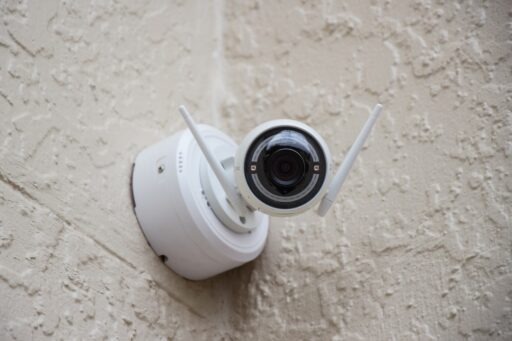
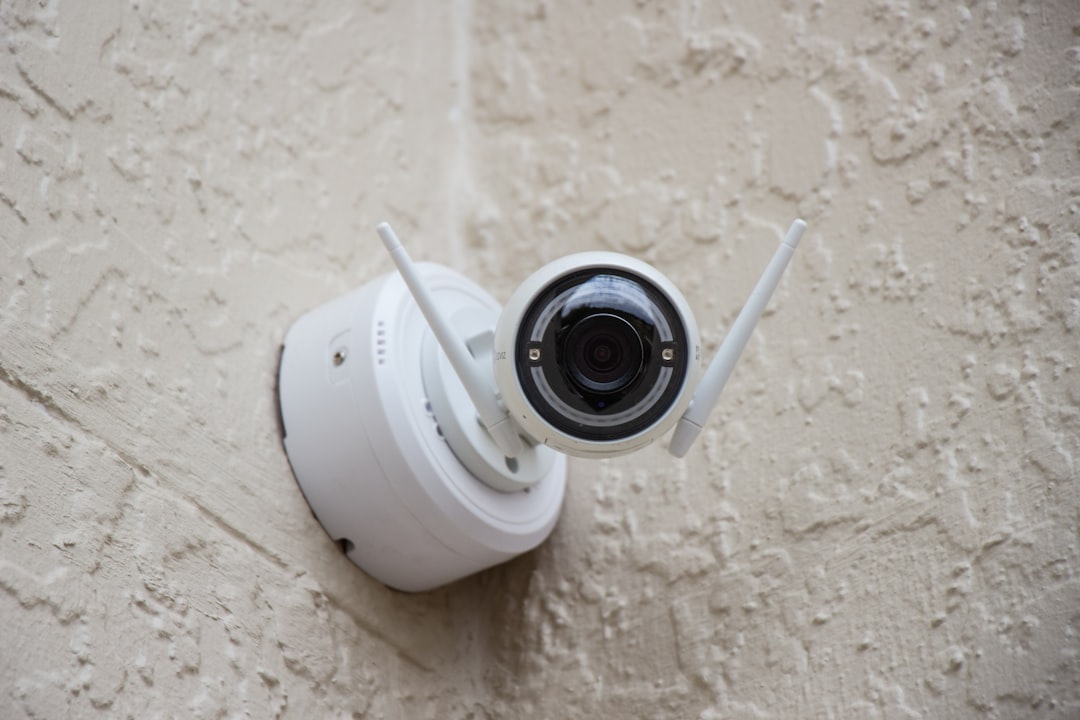
Picture this. It is 2 AM and you are driving home on a quiet suburban street. A small gray box mounted on a utility pole quietly reads your license plate as you pass. It does not flash and it does not slow you down. Most drivers never even notice it. But that camera just captured your plate, your location, and the exact moment you drove by. It is not a traffic camera and it is not a red light camera. It is a Flock camera, and it is part of the fastest growing surveillance network in America.
That split second of data becomes part of a vast digital log that law enforcement agencies can search in seconds. Flock cameras have exploded in popularity across the United States, and the numbers prove it. Google search interest for Flock cameras has jumped by a stunning 300 percent, with search volumes reaching 200,000 in the last week alone. People across the country are asking the same questions. What are these cameras, who owns them, and why do they seem to be appearing on every street corner at once?

What Are Flock Cameras?
Flock cameras are automated license plate reader systems, often called ALPR cameras, built by a company named Flock Safety. Unlike traditional security cameras that record continuous video, Flock cameras are designed to capture one thing: your license plate. Every vehicle that passes a Flock camera is photographed and logged with a precise timestamp, a GPS location, and the direction of travel.
The system stores this data and makes it available to police departments that subscribe to the service. A detective investigating a burglary can type a partial plate number into the Flock software and instantly see everywhere that vehicle has been over the past month. What used to take days of manual work now takes seconds, and that speed is exactly why so many agencies are signing up. Small towns and big cities alike are installing these cameras in record numbers, creating a patchwork network that now covers a significant share of the country’s roads.
How Flock Cameras Actually Work
Each Flock camera uses high resolution imaging combined with artificial intelligence to read plates in all weather conditions, day or night. The camera captures a plate image, converts it into readable text using optical character recognition, and then cross references it against a national database of plates linked to stolen cars, missing persons, and active warrants. When a match is found, the system sends an instant alert to patrol officers in the area, often before the vehicle has even left the neighborhood.
But the system does far more than read plates. Flock cameras can classify vehicles by make, model, and color, and they can even detect specific features like roof racks, window tints, and bumper stickers. Some newer models include additional sensors that can detect gunshots, which has made the system even more appealing to communities looking for a complete security package. The cameras are solar powered and wireless, which means they can be mounted almost anywhere with very little infrastructure work, another reason adoption has been so fast.

Why Flock Cameras Are Trending Right Now
So why is the entire country suddenly searching for Flock cameras? The surge in interest points to several converging stories. Cities across the United States are expanding their Flock networks at a rapid pace, and news coverage of these expansions is driving curiosity. Residents from Texas to Ohio have started receiving notices that cameras are being installed in their neighborhoods, prompting a wave of questions about who approved the installations and how the data will be used.
There is also growing controversy. Privacy advocates have raised alarms about the mass collection of location data on innocent drivers. A typical Flock network logs millions of plates every week, and critics argue that this creates a permanent surveillance record of every person who drives. Several lawsuits and local ordinances have emerged, with some cities banning the cameras outright and others imposing strict data retention limits. These battles are making headlines and driving people to search engines for answers.
Add to that a string of high profile cases where Flock cameras helped solve serious crimes, and you have a perfect recipe for a national conversation. The search spikes appear in the early morning hours, which suggests people are watching the evening news and then rushing to their phones to learn more. The trend is clearly positive. Interest has risen steadily and repeatedly broken new peaks throughout the week, climbing from the mid 40s at the start to a perfect 100 at the height of the surge.
The Privacy Debate at the Heart of It All
The core question is simple. Do the benefits of catching criminals outweigh the cost of tracking everyone? Supporters say yes, pointing to stolen car recoveries, faster investigations, and even missing person rescues. They argue that Flock cameras deter crime and that plate data is less invasive than facial recognition because it tracks vehicles rather than people directly. For many homeowners associations and neighborhood groups, the cameras have become a popular amenity, advertised alongside pool access and gate security.
Opponents disagree. They point out that license plates are tied to real people and real addresses, and that a log of everywhere you drive reveals where you live, where you work, where you pray, and who you visit. When that data is held by a private company and shared with police, there is little oversight and even less accountability. Civil liberties groups including the ACLU and the Electronic Frontier Foundation have filed legal challenges over the use of ALPR technology, and the debate shows no signs of cooling down.
What Communities Are Saying
Walk into any neighborhood where Flock cameras have been installed and you will hear two very different stories. The first comes from homeowners who feel safer knowing that every car entering their street is logged. They tell stories of stolen packages recovered, of stolen vehicles found within hours, and of suspects identified from grainy plate images. For them, the cameras are a welcome addition to the neighborhood watch toolkit and a powerful deterrent against property crime.
The second story comes from residents who feel watched. They worry about who can access the data, how long it is kept, and what happens if the system is ever misused. Some neighborhoods have voted to remove the cameras after just a few months, while others have demanded transparency reports showing every time police accessed the data and for what purpose. The tension between safety and privacy is playing out in community meetings across the country, and there is rarely a simple answer.
The truth is that both perspectives have merit, and the most thoughtful communities are finding middle ground. Some cities now require automatic data deletion after 30 days, while others mandate public audits, strict access controls, and annual privacy reports. These compromise models could become the template for how the rest of the country handles automated surveillance, and they show that it is possible to use the technology responsibly.
The Future of Road Surveillance
Flock Safety has grown into one of the largest surveillance companies in the country, with networks operating in thousands of communities. The company pitches its cameras as a crime fighting tool and points to internal data showing measurable drops in certain offenses in areas where cameras are active. As the technology improves, cameras are becoming cheaper and more capable, which means expansion is likely to accelerate even further.
At the same time, lawmakers are paying close attention. Several states are considering bills that would regulate license plate readers, setting limits on how long data can be stored and who can access it. The outcome of these legislative battles will shape the future of privacy on American roads for decades to come, and public opinion will play a major role in how those laws are written.
For the average driver, the takeaway is simple. If you live in a community with Flock cameras, your plate is already being logged. You have every right to ask your local police department how that data is used, how long it is kept, and who is allowed to see it. Knowledge is the best defense, whether you support the cameras or oppose them, and the people asking questions are the ones driving the change.
Conclusion
The rise of Flock cameras is one of the most significant shifts in American law enforcement technology in years. A device that fits in the palm of your hand is quietly changing the way we are policed, and the public is finally waking up to it. The 300 percent surge in searches proves that curiosity is turning into awareness, and awareness is the first step toward informed debate.
Whether you see Flock cameras as a shield or a spy, one thing is certain. They are not going away, and the conversation about them is only getting louder. Stay informed, ask hard questions, and decide for yourself where you stand on the cameras that are watching America’s roads. The road ahead is full of choices, and this is one conversation worth having at full speed.