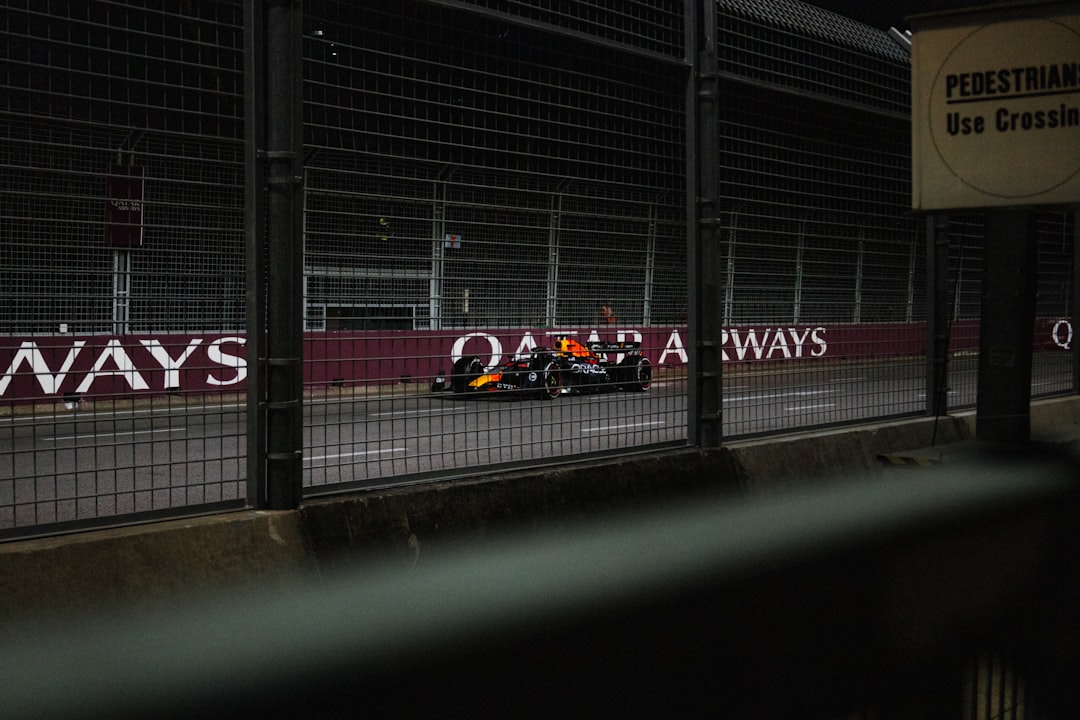
The North Sea wind whips across the golden sand dunes, the air thick with salt and the smell of burning rubber, and a rolling tide of orange sweeps over every grandstand. This is Zandvoort. This is the Dutch Grand Prix. For one thunderous weekend, the tiny circuit carved into the Dutch coastline becomes the beating heart of the entire Formula 1 world, and this year it delivered a spectacle nobody saw coming.
Search interest in the Dutch Grand Prix exploded across the United Kingdom this week, climbing by a staggering 500 percent as the paddock rolled into the dunes. Fans were not just looking for the f1 schedule or simple f1 news. They were hunting for answers about a weekend simmering with tension, from lewis hamilton zandvoort team frustration to the intensifying charles leclerc lewis hamilton dutch gp rivalry. The Dutch Grand Prix was never just another race. It was a pressure cooker, and Zandvoort was about to turn up the heat.
The Track That Demands Everything
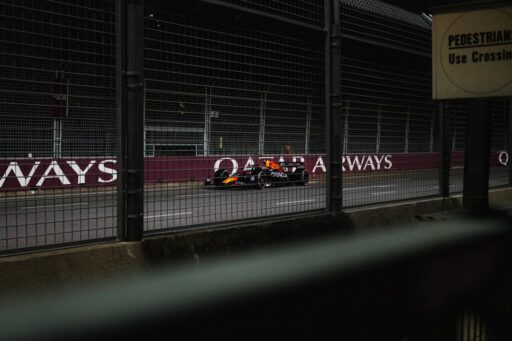
Zandvoort is not like the rest. It is a throwback, a narrow ribbon of asphalt that hugs the landscape like a stubborn memory of an older era of motorsport. There is no room for error, no generous runoff, no comfortable margin. Every lap is a fight against the barriers, and every corner carries a name that sounds like a warning. The banked curves of the circuit push the cars to their absolute limit, and the drivers love it and fear it in equal measure.

This is why the Dutch Grand Prix matters so much in the modern calendar. It strips Formula 1 back to its rawest instincts. It rewards bravery, punishes hesitation, and turns qualifying into a knife edge. When the f1 schedule brought the paddock back to the coast of the Netherlands, everyone knew that the championship would be decided not by raw straight line speed alone, but by nerve, tyre management, and the ability to survive a race that never lets you breathe.
A Weekend of Rising Tension
The data tells a story of its own. Early in the week, search volume for the Dutch Grand Prix sat low, a quiet hum in the background of the sporting world. Then, as the weekend approached, the numbers began to climb like the banking of the track itself. By the morning of the race, interest had peaked, with searches reaching their highest point exactly when the lights prepared to go out. That surge was not coincidence. It was anticipation, curiosity, and a growing sense that something special was about to happen on the dunes.
And the searches were not generic. The trend breakdown shows a public obsessed with the details. F1, formula 1, f1 news, f1 schedule, all the fundamentals were there. But buried among them were the stories that really captured the imagination. Lewis Hamilton was trending. Charles Leclerc was trending. And the phrase lewis hamilton zandvoort team frustration told its own tale of a weekend where the racing was almost secondary to the drama unfolding inside the garages.
Hamilton’s Frustration at the Dunes
Few drivers have ever been more at home in the spotlight than Lewis Hamilton, but Zandvoort tested even his legendary patience. The phrase lewis hamilton zandvoort team frustration began trending for a reason. Across the practice sessions and into qualifying, the seven time champion was visibly chasing a car that refused to cooperate. The balance was elusive, the grip inconsistent, and the gap to the front stubbornly persistent. For a driver of Hamilton’s calibre, that kind of weekend is a slow burn of frustration.
You could see it in the body language, in the clipped radio messages, in the way he stalked down the pit lane with the weight of expectation on his shoulders. Zandvoort is a circuit that demands absolute confidence, and when a car does not give you that confidence, every corner becomes a reminder of what is slipping away. The frustration was not anger. It was the anguish of a competitor who knows exactly what he is capable of and cannot quite reach it.
Leclerc and Hamilton, a Rivalry Reborn
While Hamilton wrestled with his machinery, Charles Leclerc was writing his own chapter in the Zandvoort sand. The search term charles leclerc lewis hamilton dutch gp captured a duel that had the entire paddock talking. These are two drivers from different generations, different teams, and different philosophies, but on the Dutch coast their paths collided in a battle that felt like a passing of the torch and a refusal to let it go all at once.
Leclerc drove with the kind of controlled aggression that has defined his best days. He attacked the kerbs, threaded the narrow chicanes, and defended his position with a stubbornness that would have made the old masters proud. Hamilton, meanwhile, threw everything he had into closing the gap, lap after lap, searching for a way through that never quite appeared. It was wheel to wheel racing at its purest, the kind of contest that makes people who never watch motorsport suddenly care about Formula 1.
The beauty of the charles leclerc lewis hamilton dutch gp battle was that it was never dirty. It was hard, it was intense, and it was utterly respectful. Two elite athletes pushing each other to the absolute edge of physics and nerve, separated by tenths of a second and an ocean of mutual admiration. That is the magic of the Dutch Grand Prix. It compresses all the drama of a season into a single afternoon.

Mercedes and the Midfield Chess Game
Beyond the headline battles, Zandvoort was a chess match played out across the entire grid, and Mercedes were the team everyone was watching. The search trend for mercedes was no accident. The silver arrows arrived in the Netherlands with questions to answer, and the sand dunes were not kind to secrets. Every setup change, every tyre strategy call, every pit stop was scrutinised by millions of fans following f1 news in real time.
The midfield, meanwhile, turned the Dutch Grand Prix into a demolition derby of ambition. Cars dived three wide into the first corner, drivers gambled on strategy in the hope of a podium, and the relentless pace of the race meant that one mistake could cost a dozen places. It was chaotic, it was thrilling, and it reminded everyone why the f1 schedule always feels incomplete without a visit to Zandvoort.
The Great Orange Wall
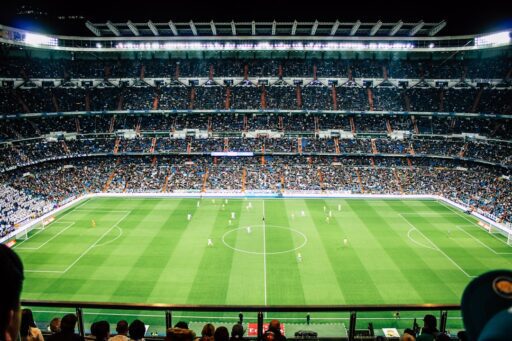
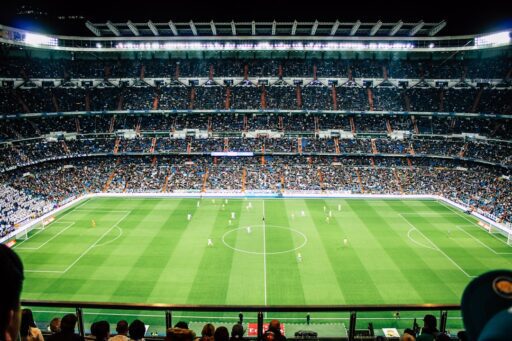
No conversation about the Dutch Grand Prix is complete without acknowledging the fans. Zandvoort hosts the most passionate, the most colourful, and the loudest crowd in all of Formula 1. They arrive in their thousands, draped in orange from head to toe, armed with banners, drums, and a level of energy that seems physically impossible to sustain across a full weekend. When the drivers take to the track, the stands erupt into a wall of sound that can be heard over the scream of the engines.
That atmosphere changes the race itself. Drivers speak about it in almost reverent terms, describing the sensation of charging down the main straight into a tunnel of orange noise. It lifts the event beyond sport and into theatre. For the neutrals watching at home, it is impossible not to feel the pull of that energy, and it is one of the main reasons the Dutch Grand Prix consistently generates such enormous online interest. People do not just watch the race. They want to experience it.
The Championship Chessboard
The Dutch Grand Prix also arrived at a pivotal moment in the season, with every point carrying the weight of championship destiny. The search trends reflected that urgency. Fans were not just asking who would win at Zandvoort. They were calculating the impact of every result on the wider title fight, refreshing their feeds for the latest f1 news, and debating the implications of every strategic decision long into the night.
That is the beauty of a well timed Grand Prix. When the f1 schedule places a demanding circuit like Zandvoort in the middle of a tight championship battle, the result is a perfect storm of drama. The drivers know it, the teams know it, and the fans know it. Every qualifying lap becomes a statement, every pit stop a gamble, every overtake a potential turning point. The Dutch Grand Prix delivered all of that and more.
What the Numbers Really Mean
For those of us who watch the data as closely as the racing, the Dutch Grand Prix was a fascinating case study. The 500 percent increase in search volume tells us that this was not just a race for hardcore fans. It was a cultural moment. People who would never normally search for f1 schedule were suddenly asking questions about the Dutch Grand Prix, about Lewis Hamilton, about Charles Leclerc, about the entire circus that travels the world in pursuit of glory.
That spike in interest is exactly what makes this weekend so valuable. It is a gateway. A casual viewer catches a glimpse of the orange sea, hears the roar of the engines, watches two champions battle wheel to wheel, and suddenly they are hooked. They start following f1 news, they learn the f1 schedule by heart, they pick a favourite driver and defend them with unreasonable passion. The Dutch Grand Prix does not just host a race. It recruits fans.
The Stories That Followed the Finish
When the chequered flag finally fell at Zandvoort, the racing was far from over. The aftermath of the Dutch Grand Prix produced its own wave of searches, and the interest that had peaked on race morning did not simply vanish. In the hours after the finish, fans returned in their thousands to digest what they had seen, to argue about strategy, to relive the battles, and to debate what it all meant for the championship.
That post race wave is the signature of a truly memorable Grand Prix. When a race is forgettable, people move on. When it is special, they cannot let it go. They replay the overtakes, they quote the radio messages, they dissect the pit wall decisions, and they start counting the days until the next round of the f1 schedule. The Dutch Grand Prix earned that obsessive attention, and the search data proves it.
A Weekend That Rewards the Faithful
There is a particular joy in being a Formula 1 fan during a weekend like this. The build up, the practice sessions, the qualifying drama, the sleepless nights waiting for the race, the instant reactions, the endless replays. The search data shows that this rhythm is real. Interest builds through the week, peaks at the moment of maximum anticipation, and then settles into a long tail of analysis and reflection. It is a pattern repeated by millions of people, all moving to the same heartbeat.
The Dutch Grand Prix rewarded that faithfulness. It gave the fans a race worthy of their devotion, full of moments that will live in the memory. It gave them battles between champions, strategy gambles that paid off or backfired spectacularly, and a finish that had everyone reaching for their phones to share the moment. When a weekend delivers like this, the search numbers do not just rise. They explode.
Why Zandvoort Keeps Pulling Us Back
There is something about Zandvoort that no other circuit can replicate. It is the location, a jewel tucked between the dunes and the sea. It is the atmosphere, a carnival of orange that turns the grandstands into a living, breathing wave. And it is the racing, a throwback to an era when tracks did not forgive and drivers did not flinch. Every element combines to create a weekend that feels less like a sporting event and more like a festival of speed.
That is why the Dutch Grand Prix always draws such enormous search interest. It is not merely a question of who wins. It is the whole experience, the anticipation, the drama, the personalities, the rivalries, the noise. People search for the Dutch Grand Prix because they want to be part of something bigger than a race. They want to be part of the story.
The Final Lap
As the sun sets over the North Sea and the last of the orange smoke drifts away from the dunes, one thing is certain. The Dutch Grand Prix has done it again. It delivered a weekend of racing that will be talked about for months, a collision of talent, tension, and raw emotion that reminded us all why we love this sport. Lewis Hamilton’s frustration, Charles Leclerc’s brilliance, the chess game inside the Mercedes garage, all of it came together on a narrow ribbon of asphalt at the edge of the Netherlands.
The numbers do not lie. A 500 percent surge in searches, a peak of interest on race morning, and a wave of engagement that carried on long after the flag. The world was watching Zandvoort, and Zandvoort did not disappoint. If you missed the Dutch Grand Prix this year, do not make the same mistake again. Mark the f1 schedule, set your alarms, and get ready for the next chapter. Because if this weekend taught us anything, it is that the greatest stories in Formula 1 are still being written, one lap at a time, in the shadow of the dunes.