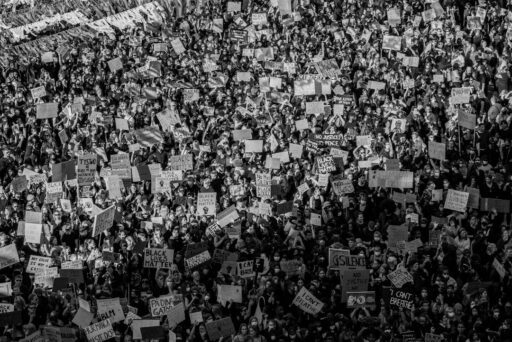
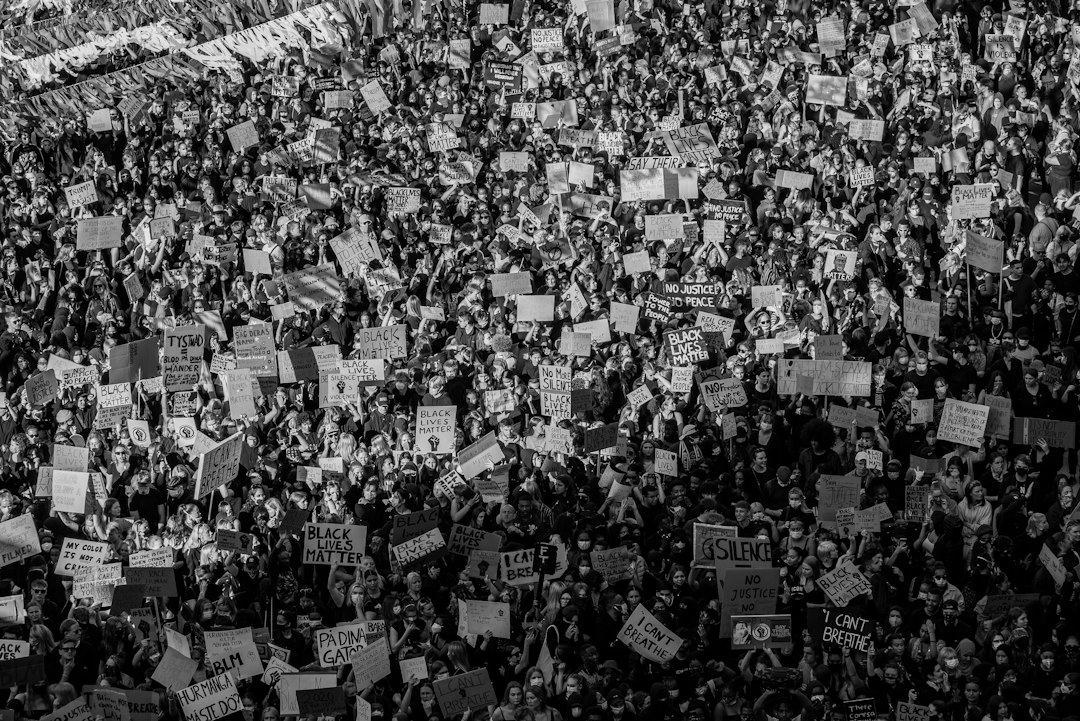
It began with a wall of masked faces and a river of stalled traffic. Before sunrise at the Port of Dover, the beating heart of British cross Channel travel, hundreds of protesters moved into position and sealed the approach roads with vehicles, banners and the sheer weight of numbers. By mid morning the words port of dover protest were racing across social media, and a single name kept surfacing in the searches of a stunned nation: Danny Tommo. The Dover protests had arrived, and they were impossible to ignore.
The Morning the Port of Dover Fell Silent
Dover has always been a town that lives and breathes the sea. Ferries slide in and out around the clock, lorries queue for miles along the coast, and holidaymakers stream toward the continent with dreams of sunnier days. On this particular morning, that rhythm snapped in a matter of hours. Witnesses described convoys of cars and vans arriving in the dark, drivers wearing face coverings and hoods, moving with a purpose that suggested weeks of quiet planning. By the time the sun climbed over the white cliffs, port of dover road blockades had choked the A20 and the eastern docks, and hundreds of protesters stood shoulder to shoulder across the carriageway. The port of dover, a gateway handling billions of pounds of trade every year, was effectively frozen.
Drivers caught in the chaos spoke of confusion, anger and helplessness. Some abandoned their journeys altogether. Others filmed the unfolding scene and uploaded clips that would fuel the dover news cycle for days. KentOnline reporters were among the first on the ground, broadcasting live as masked protesters block access at port of dover became the headline of the hour. Within minutes, the story had jumped from a local disruption to a national talking point, and searches for dover protests today exploded.

Who Is Danny Tommo
At the centre of the storm stands a figure whose name rocketed to the top of search charts almost overnight: Danny Tommo. For followers of Britain’s growing street movement, Danny Tommo is far more than a name. He has become a rallying cry, a symbol of a brand of populist protest that mixes anger at immigration policy, deep distrust of the mainstream media and a fierce, unapologetic sense of national identity. The search surge around danny tommo and danny thomas reflects a public desperate to understand who this man is and what exactly he represents.
Supporters paint him as a plain speaking patriot who gives a voice to people who feel ignored by Westminster. Critics describe him as a polarising agitator whose rhetoric inflames division and turns frustration into confrontation. Whichever camp you fall into, there is no denying his reach. When Danny Tommo speaks, crowds gather. When he calls for action, roads close and ports grind to a halt. The dover protest was the clearest demonstration yet of that extraordinary power, and it has left both admirers and opponents scrambling to make sense of a man who seems to have appeared from nowhere.
The Patriot Platform and the Movement Behind the Blockade
The demonstrations at dover port did not appear from thin air. They were organised under the umbrella of the patriot platform, a loose coalition of groups, small networks and online personalities that has spent months building momentum across the country. The patriot platform uses livestreams, private messaging apps and viral clips to mobilise supporters at short notice, a tactic that keeps police, port authorities and local councils constantly guessing about where the next flashpoint will be.
Tommy Robinson, the movement’s most recognisable figure, has been repeatedly linked to these gatherings. Whether or not he was physically present at dover, his influence hung heavy over the day. The phrase tommy robinson trended alongside danny tommo as users tried to connect the dots between the various factions and personalities involved. For many observers, the alliance of names, danny tommo, tommy robinson and the patriot platform, represents a new and unpredictable force in British politics, one that operates as much online as it does on the street.

How the Day Unfolded
The timeline of the dover protests today read like a rolling news reel. By early morning, protesters had blocked key junctions leading to the docks. By mid morning, ferry operators were warning of serious delays and lorries had backed up for miles along the approach roads. By lunchtime, the port of dover confirmed that access was severely restricted and urged travellers to stay away and seek alternative routes.
Through the afternoon, police worked patiently to negotiate and, where necessary, to move demonstrators. Roads were cleared in stages, only for groups to regroup elsewhere, forcing officers into a game of cat and mouse that stretched late into the night. Protesters chanted slogans, waved flags and delivered speeches through megaphones. Some held signs demanding tighter borders. Others insisted they were defending ordinary working people against a system that had forgotten them. The atmosphere was tense but, for long stretches, largely peaceful, punctuated by brief moments of confrontation as officers in riot gear pushed slowly forward.
Andrew Griffith and the Political Fallout
As images from the dover port protest filled television screens, politicians scrambled to respond. Andrew Griffith was among those who weighed in, condemning the disruption in strong terms while acknowledging the strength of feeling that had drawn so many people onto the streets. His comments captured the awkward position that many Westminster figures now occupy: they cannot simply ignore the anger, yet they cannot be seen to condone the chaos.
Local leaders in Kent were blunter still. They warned that blocking a port of this importance was not a victimless act. Every hour of disruption costs the economy millions of pounds and puts real livelihoods at risk. Hauliers, ferry staff and small businesses caught in the jam made the same point in far angrier terms, pointing to spoiled cargo, missed ferries and lost income.
The Wider Story of the Dover Protests
Dover occupies a unique place in the British imagination. For centuries it has been the front door to the nation, the first glimpse of England for arriving travellers and the last for those departing. That symbolism is exactly why it has become a favourite stage for protest. When people want to make a point about borders, about migration or about national identity, they choose dover. The dover port protest was therefore never just about one morning of gridlock. It was a carefully chosen message aimed at the entire country.
Critics argue that such tactics inevitably backfire, alienating the very public the movement claims to represent and handing ammunition to those who dismiss it as lawless. Supporters counter that disruption is the only language the establishment truly understands, and that peaceful marches have changed nothing for years. The debate over dover protests today is really a debate about the future of democratic protest itself: where exactly is the line between a legitimate demonstration and economic sabotage?
What Happens Next
The port has reopened, but the arguments have not gone away. Investigations are under way into how the blockades were organised so efficiently and so quietly. Authorities are reviewing security at the port of dover, fully aware that a repeat performance could be just weeks away. Meanwhile, the online ecosystem that powers the patriot platform continues to grow, with every news cycle adding new followers and deepening the sense of a movement that is here to stay.
For Danny Tommo, the spotlight is unlikely to fade any time soon. Every headline, every clip and every trending search feeds a machine that thrives on attention. The question now is whether the movement can sustain its momentum or whether the disruption at dover will mark the high water mark of a restless and unpredictable summer.
Why Dover Matters to Everyone
You might live hundreds of miles from the Kent coast, but what happened at dover affects you. Ports are the arteries of trade. When they are blocked, shelves empty, prices rise and jobs wobble. The dover protests are a reminder that the politics of the street has real world consequences, felt far beyond the white cliffs and the ferry terminals.
They are also a reminder of how quickly a single name can capture a nation’s attention. In an age of instant search and endless scrolling, a figure like Danny Tommo can travel from the fringe to the front page overnight. The port of dover road blockades were not just a protest. They were a spectacle, and for a few tense hours, Britain could not look away.
Conclusion
The dover protest will be remembered as the day masked demonstrators shut down one of the busiest gateways in Europe and turned a quiet port town into the centre of a national argument. Whether you see Danny Tommo as a hero or a menace, the patriot platform as a genuine movement or a dangerous mob, the events at the port of dover have changed the conversation for good. The shadow of Tommy Robinson, the warnings of Andrew Griffith and the relentless coverage on KentOnline all point to a country wrestling with profound questions about identity, borders and belonging. The barriers are down and the roads are open, but the deeper debate is only just beginning. And as long as people keep searching for answers, the name Danny Tommo will keep appearing at the very top of the page.