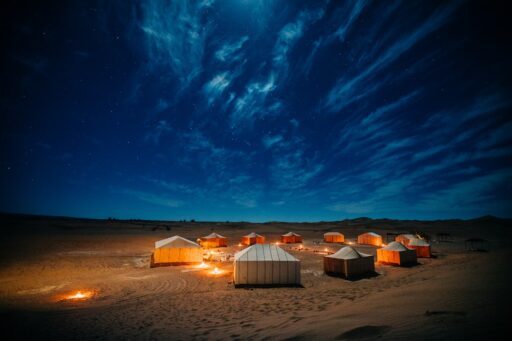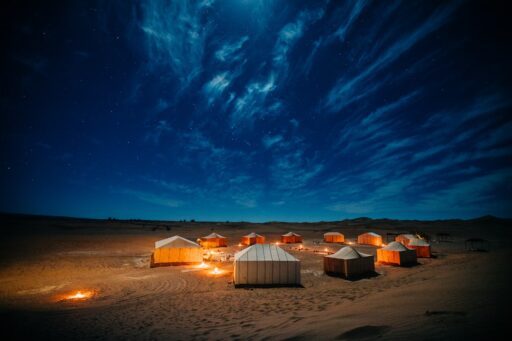
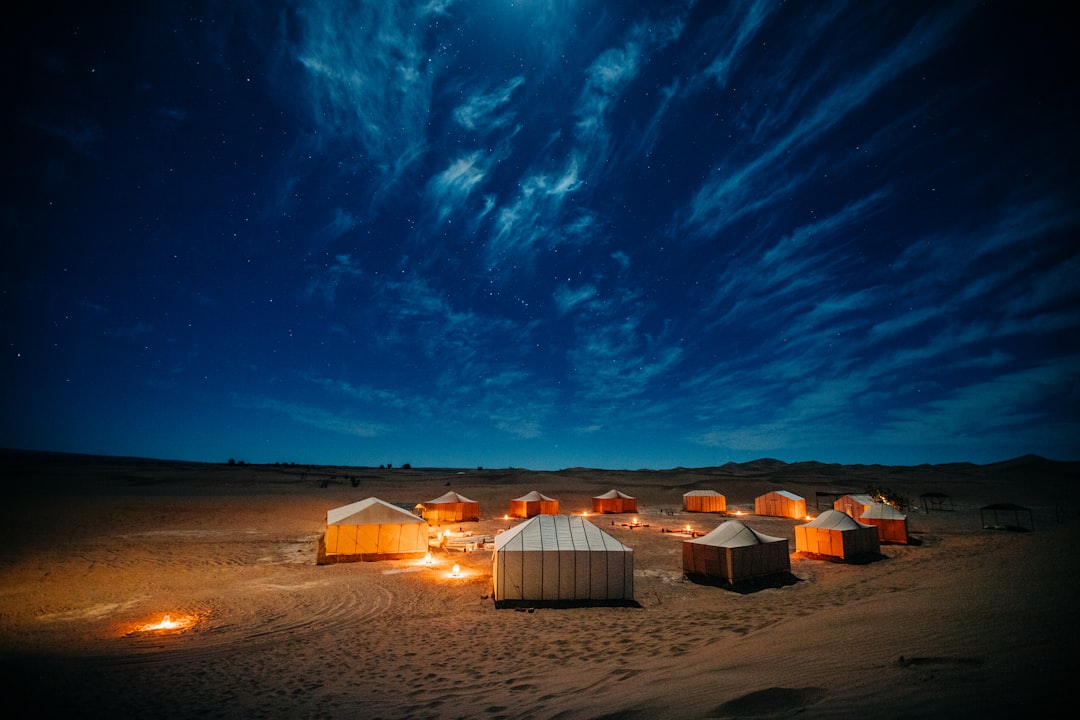
There is a place that appears for nine days every late summer and then vanishes as if it never existed. No permanent buildings. No roads. No utilities. No address. And yet, for one electric week, it becomes one of the most talked about locations in the United States. This is the strange and beautiful paradox of Burning Man, an annual gathering in the Nevada desert that has grown from a small beach bonfire into a global cultural force.
If you have never been, the stories can sound impossible. A city of more than seventy thousand people rising from an ancient dry lake bed. Towering wooden sculptures that explode into flame. Art cars shaped like dragons, ships, and living rooms roaming a dusty expanse. Strangers gifting coffee, hugs, and handmade treasures. A community that mails itself back a postcard from the edge of nowhere. Burning Man is not a festival in the usual sense. It is an experiment in how humans can live, create, and care for one another when everything is voluntary.

What Is Burning Man Exactly?
At its core, Burning Man is an annual event organized by the Burning Man Project, a nonprofit based in San Francisco. It takes place in the Black Rock Desert of northwestern Nevada, on a prehistoric lakebed known as the playa. The event typically begins on the last Sunday of August and runs through the first Monday of September, which places the 2026 edition right in the final stretch of summer.
The gathering is famous for a simple idea that is actually not a rule at all. There are no spectators and no performers in the traditional sense. Everyone who arrives is expected to participate. You do not come to watch. You come to build, to play, to teach, to dance, to cook, to heal, or to surprise a stranger with an act of kindness. This ethos is captured in the phrase radical inclusion, and it shapes everything that happens on the playa.
A Temporary City With a Permanent Soul
During the event, the playa transforms into Black Rock City, a carefully laid out metropolis arranged in a semicircle around a central plaza. Streets are named, neighborhoods form, and volunteers run essential services including medical care, sanitation, and a radio station. The city even operates its own postal service, and each year the Burning Man post office becomes a beloved ritual where attendees mail postcards stamped with the famous Black Rock City postmark.
What makes this city extraordinary is that nearly everything in it is donated or gifted. Burning Man runs on a set of ten principles that include radical self reliance, radical self expression, communal effort, civic responsibility, leaving no trace, and gifting. There is no commerce on the playa except for ice and coffee sold by the organization. Instead of buying and selling, participants offer gifts of all kinds. A meal cooked at sunset. A shoulder massage. A poetry reading inside a geodesic dome. A repair for your bicycle in the middle of the night.

The Art That Defines the Playa
Art is the beating heart of Burning Man, and it arrives on a scale that has to be seen to be believed. Massive interactive installations rise from the dust, some reaching several stories into the sky. Robotic creatures prowl the desert. A giant wooden ship sails on a sea of playa dust. A temple of intricate lacework glows from within. Much of this art is funded through the organization and by the artists themselves, and all of it is designed to be touched, climbed, and experienced rather than merely admired.
Music is everywhere as well, though it is only one part of the landscape. Hundreds of sound camps line the streets, spinning everything from techno and house to funk, jazz, and experimental noise. But you are just as likely to stumble upon a silent disco on a bicycle, a string quartet inside a tent, or a full opera staged at midnight. The point is not the genre. The point is that anyone can create a stage, and anyone can be the show.
The Temple and the Burn
Two structures define the emotional arc of every Burning Man. The first is the Man, the towering wooden figure at the center of the city that gives the event its name. On the Saturday night of the event, the Man is set ablaze in a spectacle of fire and celebration that has drawn crowds for decades. The second is the Temple, a quieter and more sacred space where participants leave photographs, letters, and mementos of loved ones. On the final night, the Temple burns too, and the ceremony becomes a collective act of grief, release, and hope.
The burning of the Temple is often described as the most powerful moment of the entire week. Thousands gather in silence as flames consume the structure, carrying messages of loss and longing into the desert sky. For many attendees, this ritual is the real reason they return year after year. It is a reminder that Burning Man is not only about wild parties and radical art. It is about connection, reflection, and the tender business of being human.
What It Takes to Go
Getting to Burning Man is an adventure in itself, and it demands serious preparation. Tickets sell out quickly, and entry requires a vehicle pass, a ticket, and a willingness to embrace dust, heat, and wind. The playa is a harsh environment where daytime temperatures can soar and nights turn cold. Attendees must bring their own food, water, shelter, and everything else they need for the week, because there are no stores on the playa. The principle of radical self reliance is not a suggestion. It is survival.
Newcomers, affectionately called virgins, are welcomed with open arms and endless advice. Veterans stress the importance of dust masks, goggles, comfortable boots, and a bike. They talk about the dust storms that can swallow the city in whiteout conditions, the importance of leaving no trace, and the strange beauty of navigating by the art that dots the horizon. They also warn about something else. Once you go, you may never look at the world the same way again.
Who Comes and Why It Matters
The people of Burning Man come from every corner of the globe and every walk of life. Engineers and artists, doctors and teachers, tech founders and students, grandparents and toddlers. What unites them is a willingness to step outside the ordinary and take part in something larger than themselves. Many leave the playa inspired to carry its values into their everyday communities, building civic projects, supporting the arts, and rethinking how they connect with their neighbors.
The influence of Burning Man now reaches far beyond the desert. Its culture has shaped festivals, conferences, and workplaces around the world. Its art has traveled to museums and public spaces. Its principle of gifting has inspired movements in design, technology, and philanthropy. In 2026, as tens of thousands prepare once again to make the pilgrimage to Black Rock City, the rest of the world watches with curiosity and, increasingly, with a desire to understand what draws so many people to the dust.
The Magic That Can’t Be Explained
Ask a burner why they return and you will get a thousand different answers. Some speak of the freedom to be fully themselves. Others talk about the art, the music, or the friendships forged in the dust. Many describe a feeling of belonging that they cannot find anywhere else. Burning Man resists easy explanation, and that is exactly the point. It is not a product you consume. It is a world you help create, moment by moment, gift by gift.
As the desert sun sets on another edition, the playa will slowly empty. The city will be dismantled, every trace swept away until the landscape looks untouched. But the stories will travel home with seventy thousand people, carried in photographs, in journals, and in hearts changed by the experience. And next summer, the call of the playa will come again, pulling old friends and new pilgrims toward a horizon of fire, dust, and possibility.
Whether you go next year or simply dream about it from afar, Burning Man stands as one of the most remarkable human gatherings on the planet. It reminds us what we are capable of when we build together, give freely, and burn brightly. The fire may fade, but the spirit endures.