
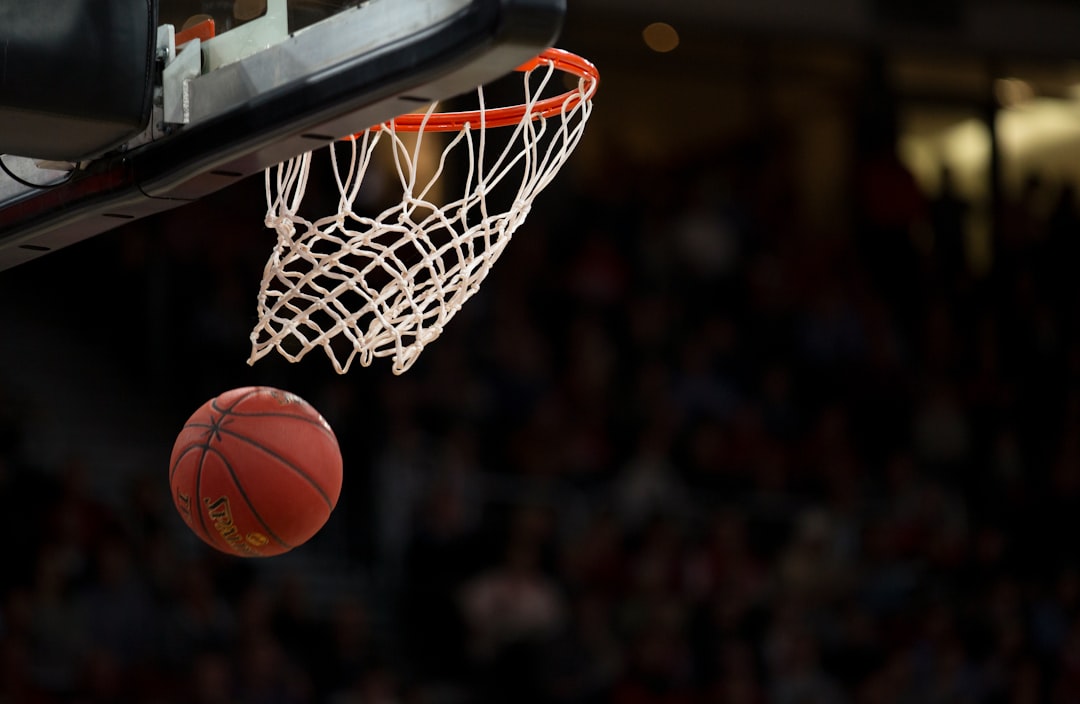
Somewhere inside a Berlin arena, thousands of voices rise at once. A German guard pushes the ball up the floor, the shot clock drains toward zero, and a country that has always saved its loudest songs for football suddenly discovers a brand new heartbeat. This is the FIBA Women’s Basketball World Cup 2026, the biggest women’s basketball event ever staged on German soil, and for eleven unforgettable days the capital becomes the centre of the global game.

A World Cup Comes Home to Germany
The numbers behind the story are simple and staggering. Sixteen of the best national teams on the planet travel to Berlin for a tournament that runs from September 4 to September 13, 2026. It is the first time Germany hosts the women’s World Cup, and it lands at the perfect moment, right when the German game is producing a generation of players good enough to trouble anyone in the world. FIBA hands the keys of the competition to a nation with a passionate sporting culture, world class infrastructure, and a public that has been waiting for a reason to fall in love with basketball.
Berlin does not simply host games. The city turns the tournament into a summer festival. Fan zones spill out across the capital, screens glow in public squares, and supporters from Australia to Canada to China arrive with drums, flags and face paint. Families wander between the arena and the riverside, and every bounce of the ball echoes across a city that knows how to throw a party.
Germany’s Golden Generation
For decades, German women’s basketball lived quietly in the shadow of the men’s game and the enormous shadow of football. That era is over. The current squad is built around a core of players who have grown up competing in the strongest leagues in the world, and they arrive at this World Cup with genuine ambition rather than polite optimism.
Satou Sabally leads the charge with a rare blend of size, vision and shooting touch that makes her a nightmare matchup for any defence. Leonie Fiebich brings length and relentless energy on the wing. Marie Guelich anchors the paint, Luisa Geiselsoder gives the team muscle and rebounding, and the backcourt plays with a fearlessness that comes from years of fighting for respect. Together they form a group that has climbed the European rankings step by step, and now they want to prove it in front of their own people. The hosts know that a deep run would change how the sport is viewed in Germany forever.
Germany against Japan: The Ultimate Speed Test
If there is one matchup that captures the contrast of world basketball, it is Germany against Japan. The Japanese side is the most distinctive team in the sport: small, endlessly quick, obsessed with ball movement, and blessed with shooters who punish any defensive lapse from well beyond the arc. Their silver medal at the Tokyo Olympics remains one of the great stories of modern basketball, and they have kept that identity intact ever since, built on relentless running and a refusal to give up any possession.
Against them, Germany brings size, physicality and a home crowd desperate to lift the team. The tactical puzzle is delicious. Can the German forwards punish Japan inside? Can Japan drag the bigs out to the perimeter and create chaos with quick screens and sharp cuts? Every time these two styles meet, the game becomes a chess match played at sprint speed. Expect turnovers, expect threes, and expect the arena to explode whenever the hosts force Japan into a half court battle.

Japan’s roster is full of familiar names for anyone who follows the international game, including sharpshooters who have made a career out of hitting impossible shots late in the clock, and guards whose footwork makes them almost impossible to stay in front of. For Germany, the answer lies in discipline, communication and controlling the glass. Whoever wins the battle of tempo usually wins the game.
Germany against Spain: A European Heavyweight Collision
Germany against Spain is a different kind of contest entirely. Spain is European royalty, a program with a long history of medals, professional structure and players who understand exactly how to close out tight matches. Their teams are famous for balance, patience and ruthless efficiency in the pick and roll.
Spain arrives with an imposing frontline and a group of guards who read the game two steps ahead. Players like Megan Gustafson give them a dependable interior scoring option, while their young forwards and dynamic wings make them dangerous in transition. When Spain and Germany share a court, the atmosphere turns electric, because both nations know that these games often decide who tops the group and who gets the kinder path through the knockout rounds.
The German crowd will be a factor. A loud home arena can be worth several points over forty minutes, and Spain has historically found German venues uncomfortable. Yet Spain also thrives on hostility. Their veterans enjoy silencing a crowd, and the coach will happily slow the game down to take the atmosphere out of the building. This is the match where Germany’s maturity gets tested the most.
The Global Stars on Show
Beyond the host nation, this World Cup gathers an extraordinary collection of talent. The United States arrives with a roster of WNBA superstars, still the benchmark for everyone else and still chasing another gold. Australia brings its trademark physicality and a deep rotation of players who have spent years in the world’s toughest leagues. Belgium, France, Canada and China all believe they can reach the podium, and each of them has at least one player capable of taking over a game single handedly.
That is what makes this tournament special. For eleven days, the best women’s players on earth share one arena, one city, one story. Fans who buy a ticket for one match often return the next night, because the level of play is so high and the drama so constant. Names that usually sit in highlight reels on the other side of the ocean suddenly become characters in a live, unfolding narrative.
How the Tournament Works
The format is straightforward but unforgiving. Sixteen teams are divided into four groups of four. Each team plays the other three in a round robin group phase. The top two from each group advance to the quarterfinals, and from there it is a pure knockout bracket all the way to the final. Lose in the group stage and you can still survive. Lose after the group stage and the dream ends in forty minutes of basketball.
That structure creates relentless pressure. Every group game matters, point differential can decide who advances, and the margin between a quarterfinal place and an early flight home can be a single rebound. Coaches will manage minutes carefully, rest players where they can, and treat the final group game as a knockout match in all but name.
Where to Watch
For fans in Germany, the good news is that the tournament is easy to follow. ProSieben carries live coverage of the key matches, including the German team’s group games, so supporters can watch the action free to air without a subscription. Streaming options through the network’s digital platform mean the games travel with you, whether you are at home, on a train or in a cafe. Live analysis, expert commentary and behind the scenes features make the broadcast feel like an event rather than just a match.
For those lucky enough to be in Berlin, nothing compares to being in the building. Tickets have been moving quickly, particularly for the Germany fixtures and the medal rounds, and travel packages combining match tickets with hotel stays have become a popular option for visiting supporters. Public viewing areas are expected to be packed, and the city’s bars and sports halls will hum with basketball conversation for the entire fortnight.
A Nation Falling in Love
Something shifts when a major tournament lands on your doorstep. Kids who have never held a basketball start asking their parents for one. Local clubs see a spike in registrations, especially among girls who suddenly have heroes who look like them and speak their language. Schools organise trips to watch training sessions. Streetball courts that sat empty in April are full by October.
That is the quiet miracle of a home World Cup. Medals and trophies fade, but the memory of a packed arena singing for a national team stays with a generation. Germany has spent years building a professional women’s league and a youth pathway, and this tournament is the moment when all that patient work meets the public imagination.
What Comes Next
Whatever happens on the scoreboard, the legacy of these eleven days will be measured long after the final whistle. Federations, sponsors and clubs are watching closely. A strong German run would strengthen the case for bigger investment, better facilities and greater television exposure for the women’s game. It would also give the national team confidence heading into the next Olympic cycle, where the top European sides are separated by margins of a handful of points.
For the players themselves, this is the stage they have dreamt about since childhood. Not many athletes ever get to compete for a world title in front of their own crowd, with family in the stands and a whole country watching. Sabally and her teammates understand the weight of the moment, and they seem to welcome it. Pressure, after all, is a privilege that only contenders get to feel.
The Final Buzzer
By the time the medals are handed out in Berlin, this World Cup will have delivered everything basketball promises: breathtaking speed, brutal physicality, tactical battles between coaches, and moments of individual genius that no one saw coming. It will have introduced new stars to German fans, deepened old rivalries with Spain, and shown the world what happens when a basketball mad country finally hosts the biggest women’s tournament on the calendar.
So find a screen, pick a team, and settle in. The basketball World Cup for women has arrived in Germany, the arena is full, the ball is in the air, and the next eleven days belong to anyone brave enough to watch. Whether you are cheering for the hosts against Japan, biting your nails through a war with Spain, or simply enjoying the finest players alive, one thing is certain. This is the tournament German basketball has been waiting for, and it is only just getting started.
