Every autumn, as the golden leaves of September surrender to the grey chill of October, millions of people across Russia begin typing the same word into their search bars: отопление. It is a word that carries the promise of warmth, comfort, and survival through the long, unforgiving winter that defines life in this vast northern country. But отопление, which simply means heating, is far more than a seasonal keyword. It is the beating heart of every Russian home, a complex network of pipes, boilers, and radiators that transforms freezing apartments into cozy sanctuaries. In this guide, we will explore everything you need to know about heating in Russia, from the moment the radiators first grow warm to the modern technologies reshaping how families stay comfortable.
What Does Отопление Really Mean?
At its core, отопление refers to the process of generating and distributing heat to keep indoor spaces warm. In Russia, this single word covers an enormous range of systems, from the massive centralized plants that warm entire city districts to the small electric heaters that sit quietly in the corner of a countryside cottage. The term appears in everyday conversation, in government documents, and in the technical manuals of engineers. When a Russian says the heating has been turned on, they are describing a moment of collective relief, a signal that the coldest season will not catch them unprepared. Understanding отопление is therefore understanding how daily life is organized around the rhythm of the seasons.

A Short History of Russian Heating
For centuries, Russian homes were heated by wood burning stoves, great brick structures that stood at the center of the house and radiated warmth through the long nights. These stoves were not only practical but also social, often serving as the warmest place to sleep and gather. The twentieth century brought a dramatic transformation. As cities grew and industry expanded, engineers designed vast systems to deliver heat to millions of people at once. The idea was bold and deeply practical: instead of each family tending its own fire, a shared network would keep everyone warm. That vision still shapes the country today, even as new technologies begin to complement it.
The Centralized Heating System That Warms Millions
Perhaps the most remarkable feature of Russian heating is its scale. In most large cities, heating is not produced inside individual apartments. Instead, it is generated in large thermal power plants and district boiler houses, then pushed through a sprawling web of underground pipes to reach homes, schools, hospitals, and offices. This centralized approach, known as district heating, allows a single facility to warm thousands of buildings at once. The advantage is efficiency. By producing heat in bulk, the system can use fuel more effectively and reduce the number of individual boilers scattered across a city. The challenge lies in the pipes themselves. Many networks are old, and heat is lost along the way, which is why authorities invest heavily in repairing and upgrading the infrastructure before each winter.
When Does the Heating Season Begin?
One of the most common questions people ask is simple: when will the heating be turned on? In Russia, the answer follows a clear rule. The heating season officially begins when the average daily outdoor temperature stays below eight degrees Celsius for five consecutive days. Once that threshold is met, local authorities order the system to start. The process is gradual. Engineers open the valves slowly to avoid damaging old pipes with sudden pressure changes, and it can take several days or even weeks before every radiator in a large city is fully warm. This gradual start is why some neighborhoods feel the heat earlier than others, and why patience becomes a virtue during the first cold snap of the year.
How Apartments and Homes Get Their Heat
Inside a typical apartment building, heat arrives through a system of vertical pipes and radiators. Hot water flows from a basement distribution point upward, releasing warmth into each room before returning to be reheated. Residents usually cannot control the temperature of the water itself, since it is set at the district level, but they can adjust how much heat enters their radiators using valves. In newer buildings, modern controls allow more precise regulation, while older structures often rely on simple manual adjustments. For many families, the arrival of heat is marked by the gentle ticking sound of radiators warming up, a sound that signals the beginning of the indoor season.

Choosing the Right Radiator
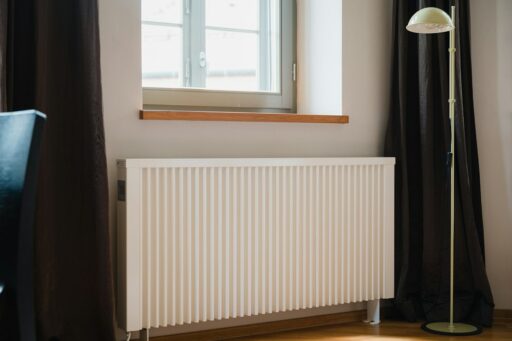
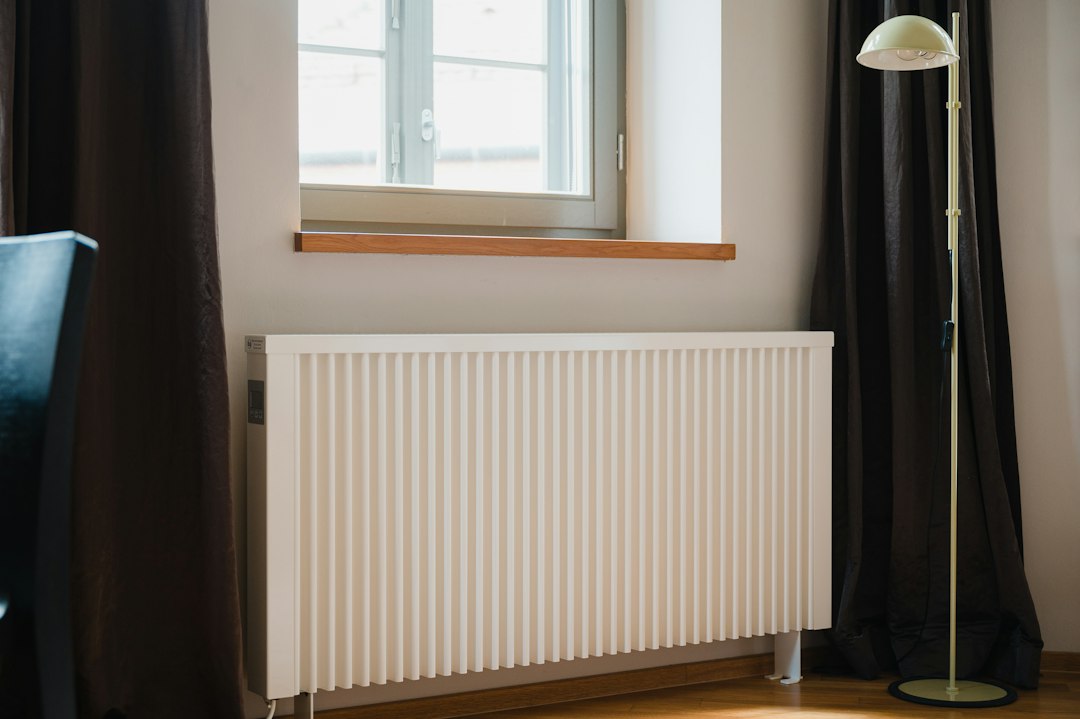
Radiators come in many shapes and materials, and choosing wisely can make a real difference. Cast iron models are famous for holding heat for a long time, releasing it slowly even after the supply cools. Steel panels heat up quickly and suit modern interiors, while aluminum and bimetallic designs offer a blend of lightness and durability. The best choice depends on the building, the water quality, and the pressure in the system. Homeowners in private houses have even more freedom, since they can pair their radiators with a boiler that matches their needs. Whatever the material, proper installation and regular cleaning keep a radiator performing at its best.
Modern Heating Solutions for Homes
While centralized heating dominates the cities, a growing number of homeowners are turning to independent solutions. Private houses and countryside cottages frequently rely on gas boilers, which provide both heating and hot water on demand. Others choose electric systems, solid fuel stoves, or heat pumps that draw warmth from the air or the ground. Each option has its own strengths. Gas remains the most economical for those connected to the network, while electric systems offer simplicity and quiet operation. Heat pumps, though more expensive at the outset, can deliver remarkable efficiency over time. The choice often depends on location, budget, and the availability of fuel, but the goal is always the same: reliable warmth through the coldest months.
Regional Differences in Heating
Russia is enormous, and heating looks different depending on where you live. In the far north, where winters are brutal and daylight is scarce, systems are built for extreme cold and run for most of the year. In the milder south, the heating season is shorter and less demanding. Cities with modern infrastructure enjoy steadier temperatures, while remote villages may still depend on local boilers or individual stoves. This diversity means there is no single answer to how heating works across the country. Instead, there is a patchwork of systems, each adapted to its climate, its economy, and the resources available nearby.
Keeping Warm Efficiently and Safely
Efficiency is not only about saving money. It is also about safety and comfort. Poorly maintained heating systems can waste energy, create uneven temperatures, and even pose risks. Experts recommend checking radiators for air pockets and bleeding them regularly, since trapped air prevents hot water from circulating properly. Insulating windows and doors, sealing drafts, and placing reflective panels behind radiators can all help keep precious heat indoors. For those with independent boilers, annual servicing is essential to ensure that equipment runs cleanly and safely. A little maintenance before the season begins can make the difference between a comfortable winter and a costly one.
Common Problems and Quick Fixes
Even the best systems occasionally misbehave. A radiator that stays cold at the bottom but warm at the top may need cleaning, while one that is cold at the top often simply needs bleeding. Strange noises, such as knocking or gurgling, usually point to air or pressure issues that a technician can resolve. If the whole apartment stays cold while neighbors are warm, the problem may lie in a blocked valve or a building wide imbalance. Knowing these small signs helps residents report problems early, before they grow into expensive repairs. Quick attention keeps the warmth flowing and prevents small annoyances from becoming winter emergencies.
The Cost of Warmth
Heating is one of the largest household expenses in Russia, and understanding how bills are calculated can help families plan. In buildings with centralized heating, residents typically pay based on the size of their living space, spread across the months of the year. In homes with individual boilers, the cost depends on how much fuel is consumed. Prices for gas, electricity, and other fuels fluctuate, and government policies sometimes adjust tariffs to balance affordability with the need to maintain infrastructure. Whatever the system, the arrival of warmth always comes with a price, and managing that price is a constant concern for households across the country.
The Future of Heating in Russia
The heating sector is changing. Engineers are exploring smarter grids that can sense demand and adjust output in real time. Renewable sources, once seen as a distant dream in a country rich in fossil fuels, are slowly finding their place. Solar panels and geothermal systems appear in pilot projects, while energy efficient building materials reduce the heat that homes need in the first place. Digital thermostats and mobile apps now let residents monitor their comfort from anywhere. These innovations point toward a future where warmth is delivered more cleanly and intelligently, even as the fundamentals remain the same.
Conclusion
Отопление is more than a technical term. It is a symbol of resilience, a reminder that in a land of bitter winters, human ingenuity and shared infrastructure keep life moving. From the great district plants that hum through the night to the humble radiator that ticks softly beside a bedroom window, heating shapes the way millions of people experience the cold season. Whether you live in a sprawling city apartment or a quiet rural home, understanding how your heat is produced, delivered, and controlled empowers you to stay warm, save money, and face the winter with confidence. As the snow begins to fall, one truth remains unchanged: in Russia, warmth is not a luxury. It is a way of life.