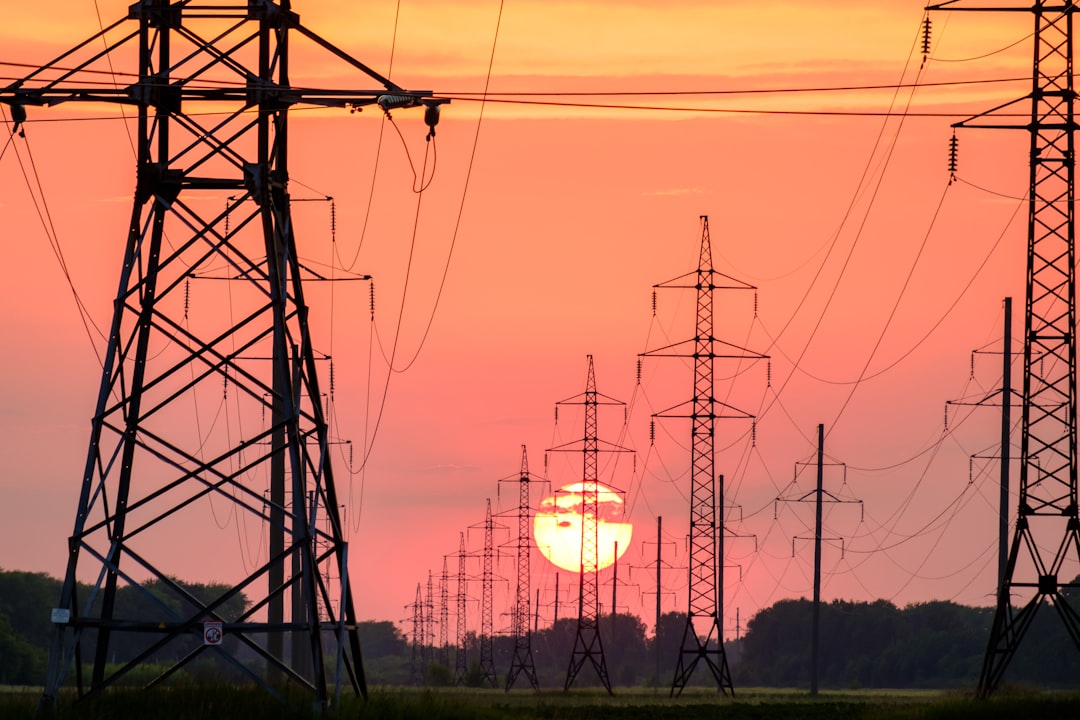
It started as a quiet Tuesday evening in Gary, Indiana. Families were settling in for the night, televisions humming in living rooms, porch lights flickering against the summer heat. Then, without warning, the hum stopped. The televisions went dark. The porch lights died. Within minutes, phones across the city began buzzing with the same frantic search: Gary Indiana no power.

By the time the first hour passed, the search term had exploded into a national trend. Gary Indiana blackout was on everyone’s lips, and Google searches for power outage near me and power outage climbed at a stunning pace. In this post, I want to walk you through what happened, why the searches spiked so dramatically, and most importantly, what you can do to protect yourself, your family, and your food the next time the lights go out.
This is more than a news story. It is a reminder that the power we take for granted can vanish in a single moment, and that preparation is the difference between a rough night and a dangerous one. So grab a cup of coffee, settle in, and let us talk about the Gary Indiana blackout and everything you need to know about surviving a power outage.
The Night Gary Indiana Went Dark
Picture this. August in the Midwest. The air is thick and heavy, the kind of heat that makes you grateful for air conditioning. Around eight o’clock in the evening, the first reports started surfacing on social media. Blocks of homes in Gary, Indiana had lost electricity. Streetlights blinked out one by one. Traffic signals went dark at major intersections. Emergency crews were flooded with calls from residents asking the same question: what is happening?
Within hours, the search volume for Gary Indiana no power had more than doubled. People were not just curious. They were scared, confused, and looking for answers. The related searches told the whole story. When people type power outage near me, they are not being lazy. They are standing in a dark kitchen, holding a flashlight, hoping someone can tell them when the lights will come back on.

What Caused the Gary Indiana Blackout
Every blackout has a story, and the one in Gary, Indiana was no different. While the exact cause continued to be investigated, the pattern of searches pointed to a sudden and widespread failure. High summer demand for electricity, aging infrastructure, and a single failing substation can create a chain reaction that takes down entire neighborhoods in minutes. When one part of the grid trips, the load shifts to neighboring lines, and sometimes those lines cannot handle the extra strain.
The timing of the spike in searches tells us a lot. The data shows interest climbing steadily through the late night hours, peaking in the early morning when most people would expect the power company to have things under control. Instead, they were still sitting in the dark, refreshing their phones, searching for updates on the Gary Indiana blackout.
Power Outage Near Me: How to Check Your Area
If you ever find yourself typing power outage near me, you already know the feeling of helplessness that comes with losing electricity. The good news is that there are reliable ways to get answers quickly. Most utility companies offer outage maps on their websites and apps. These maps show exactly where power has been lost, how many customers are affected, and the estimated time of restoration. Bookmark your utility provider’s outage page today, before you need it.
Local news stations and emergency management offices also post updates on social media. Following them can give you real time information about road closures, cooling centers, and shelter locations. And never underestimate the power of your neighbors. Community groups on social platforms are often the fastest source of accurate, local information during an emergency.
How Long Do Blackouts Last
This is the question on everyone’s mind during a blackout, and the honest answer is that it depends. Some outages are fixed in a matter of hours. Others, especially those caused by extreme weather or major equipment failures, can stretch into days. The data from the Gary Indiana event showed search interest staying elevated for days after the initial spike, which suggests that many residents were without power for an extended period.
Experts generally recommend preparing for at least 72 hours without electricity. That is the window in which you can comfortably ride out most emergencies with the right supplies. Having a plan for three days means you are ready for the worst case without overthinking every minor storm.
What to Do During a Power Outage
When the lights go out, your first instinct might be to panic. Resist that urge. Take a breath and work through a simple checklist. First, unplug sensitive electronics like computers and televisions. This protects them from power surges when the electricity comes back. Leave one lamp plugged in and switched on so you know the moment power is restored.
Second, keep your refrigerator and freezer closed. A closed refrigerator will keep food cold for about four hours, and a full freezer will hold its temperature for roughly 48 hours. Every time you open the door, you let the cold air escape and shorten the window of safety for your food.
Third, use flashlights instead of candles. Candles are a fire hazard, especially in a home full of clutter and stress. Keep a flashlight in every room, and make sure the batteries are fresh. A headlamp is even better because it keeps your hands free while you move around the house.
Foods to Save and Foods to Toss
One of the most stressful parts of a power outage is deciding what to do with the food in your refrigerator. The rule of thumb is simple. If the power has been out for less than four hours and the doors have stayed closed, your food should be safe. After four hours, perishable items like meat, poultry, fish, eggs, and dairy should be thrown away if the temperature inside the fridge rose above 40 degrees Fahrenheit.
Your freezer is a different story. A freezer that is full and unopened can keep food safe for up to 48 hours. If you have a half full freezer, it will only last about 24 hours. When in doubt, throw it out. Food poisoning is not worth the risk, and no one wants to spend a day after a blackout dealing with a stomach bug on top of everything else.
Keeping Your Family Safe
Safety should always come first during a blackout. If you rely on medical devices that need electricity, have a backup plan and know where your nearest hospital is. Keep a charged power bank for your phone so you can stay connected to the outside world. And if you use a generator, never run it inside your home, garage, or near an open window. Carbon monoxide is a silent killer, and generator related poisoning spikes every time there is a major outage.
Check on elderly neighbors and friends. A blackout can be especially dangerous for older adults who live alone. A simple phone call or a knock on the door can make all the difference. During the Gary Indiana blackout, community members helping each other was one of the most heartwarming parts of the story.
How to Prepare for the Next Blackout
The best time to prepare for a power outage is before it happens. Build an emergency kit and keep it somewhere easy to reach. Your kit should include flashlights, extra batteries, a battery powered radio, a first aid kit, bottled water, non perishable snacks, and a manual can opener. Add a portable charger for your phone and a backup supply of any medications you take regularly.
Consider investing in a power bank large enough to charge your devices several times. If you live in an area with frequent outages, a solar charger or a small generator can be a worthwhile investment. Just remember the golden rule of generator safety and never bring it indoors.
Finally, make a family communication plan. Decide ahead of time where everyone will meet and how you will reach each other if phone lines are down. A little planning now can save you hours of stress later.
Final Thoughts
The Gary Indiana blackout was a wake up call for thousands of families. It reminded us that modern life runs on electricity, and that a single storm or equipment failure can change everything in an instant. But it also reminded us of something more important. Communities come together when the lights go out. Neighbors check on neighbors. Strangers share information. And even in the darkest moments, we find a way to help each other through.
If you took nothing else from this post, take this. Do not wait for the next blackout to make a plan. Build your emergency kit today. Save your utility company’s outage number in your phone. Talk to your family about what to do. Because when the power goes out, the people who are prepared are the people who stay calm, stay safe, and help their neighbors do the same.
Stay safe out there, Gary. And to everyone else reading this, keep your flashlights charged and your freezer full. You never know when you will need them.