Every autumn, as the leaves of Moscow’s boulevards turn to gold and the first frost creeps across the windows of Siberia, a vast and almost invisible machine stirs to life. It is called отопление, the Russian word for heating, and it is far more than a simple utility. It is a seasonal ritual, a national heartbeat, and the reason millions of families can survive winters that plunge far below freezing. When interest in this single word surges every September, it signals something powerful: an entire country is bracing for the cold and turning to its heating system for comfort, safety, and warmth.
For anyone living outside the region, understanding отопление means understanding how Russia itself stays alive. The country spans eleven time zones and includes some of the coldest inhabited places on the planet. In cities like Yakutsk, winter temperatures can fall below minus forty degrees Celsius. In such conditions, heating is not a luxury or a preference. It is a matter of survival, and it has shaped the way Russian cities were built, governed, and lived in for more than a century.

The Origins of a National Heating System
The story of centralized heating in Russia began in the early Soviet era, when planners dreamed of electrifying and warming an enormous, often frozen land. Rather than relying on individual stoves and fireplaces, engineers designed something far more ambitious: giant combined heat and power plants, known as ТЭЦ, that generate electricity and heat at the same time. From these plants, hot water travels through an immense network of insulated pipes, called теплосети, delivering warmth directly into homes, schools, hospitals, and factories.
This approach was revolutionary. It allowed a single facility to heat an entire district, saving fuel and labor while ensuring that even the most remote apartment blocks received reliable warmth. Over decades, these systems became the backbone of Russian urban life. Today, millions of buildings across the country depend on them, and the pipes that carry hot water beneath the streets are as essential to daily existence as the roads above them.
The Great Autumn Switch On
The moment отопление arrives is never left to chance. In Russia, the decision to start the heating season is made by local authorities, and it follows a simple but strict rule. Heating is switched on when the average daily outdoor temperature stays below eight degrees Celsius for five consecutive days. Once that threshold is crossed, city officials issue the order, and a coordinated operation begins across the entire region.
What follows is a carefully choreographed process. Workers open valves, test pressure, and gradually fill the network with hot water. Because a district heating system can stretch for dozens of kilometers, the warmth does not reach every building at once. Some neighborhoods feel their radiators grow warm within hours, while others wait days as the hot water makes its slow journey through the pipes. This staggered arrival has become a familiar topic of conversation each autumn, as neighbors compare notes and share tips over tea.

Summer Is When the Real Work Happens
Long before the first cold snap, the heating network is put through its paces. During the warmer months, utility crews carry out hydraulic pressure tests, a process that involves pumping water through the pipes at elevated pressure to expose weaknesses and leaks. These tests often require temporary shutdowns, and residents are warned in advance to avoid the steaming water that can appear on streets and in courtyards.
Engineers also use the summer to replace aging sections of pipe, install new insulation, and upgrade substations. This maintenance calendar is essential, because a failure in the middle of January is far more dangerous and expensive than one discovered in July. The quiet summer work is the reason the winter warmth can be trusted.
How the Heat Reaches Your Home
The journey of heat is a fascinating one. It begins at a power plant or a district boiler house, where water is heated to very high temperatures. That hot water is then pumped into the primary network, a vast loop of heavily insulated pipes. From there, it enters substations located inside individual buildings, where heat exchangers transfer the warmth into a secondary loop that serves the apartments.
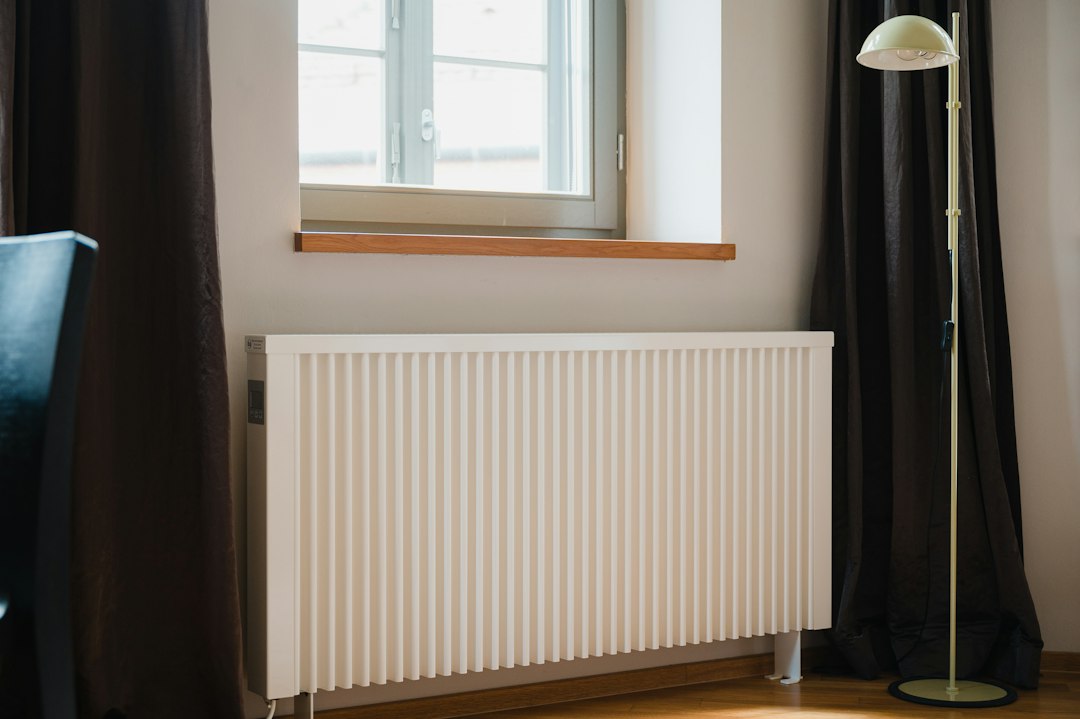
Inside each home, the heat arrives through radiators, the familiar metal panels mounted beneath windows. Residents can often adjust the flow using valves, though in many older buildings the temperature is managed centrally. This is why, during an unusually warm autumn afternoon, the only way to cool a room is sometimes to open a window, a small irony that generations of Russians know all too well.
A System Built for Extremes
What makes the Russian heating system remarkable is its sheer scale. The pipes that carry hot water beneath Moscow alone stretch for thousands of kilometers. Engineers must maintain this hidden web through freezing winters and sudden thaws, constantly repairing leaks and replacing worn sections. The challenge is enormous, and it has driven constant innovation, from improved insulation to smart monitoring systems that detect problems before they cause outages.
Despite these efforts, the system is not without its difficulties. Aging infrastructure in some regions can lead to uneven heating, unexpected outages, or leaks that send steaming water onto city streets. When a pipe bursts in the depths of winter, the consequences are serious, which is why repair crews work around the clock to keep the warmth flowing to every home.
The Cost of Staying Warm
For households, отопление appears as a line item on a monthly utility bill. In many cities, heating is the single largest utility expense, especially during the coldest months. The cost is calculated based on the area of the apartment and the tariffs set by regional authorities. Because these tariffs are regulated, they change on a predictable schedule, and residents often watch the announcements closely.
For those who struggle to pay, the state offers subsidies and social support programs. Elderly citizens, large families, and households with modest incomes can apply for assistance, ensuring that no one is left in the cold. This safety net reflects a deeper truth: in Russia, heating is treated not merely as a service but as a basic right.
What To Do When Your Radiator Stays Cold
Each autumn, as the heating season begins, some residents discover that their radiators remain stubbornly cold. The first step is usually to check the valves and make sure they are open. If the problem persists, the next move is to contact the building management company, known as the управляющая компания. These organizations are responsible for maintaining the internal heating systems and for responding to complaints.
A common culprit is trapped air inside the radiator, which prevents hot water from circulating properly. In many buildings, residents can release this air using a small valve, a simple process called bleeding the radiator. If that does not solve the problem, professional technicians may need to flush the system or adjust the pressure inside the building network. Knowing these steps can mean the difference between a cozy apartment and a chilly one.
Preparing for the Season
Beyond waiting for the heat to arrive, many Russians take practical steps to prepare their homes. They seal drafty windows, add insulation, and install additional heaters as a backup. Some invest in heated floors or modern radiators that offer more control. Others simply gather warm blankets and thick sweaters, embracing the season with the resilience that defines life in a northern climate.
There is also a cultural dimension to отопление. The arrival of heat marks a turning point in the year, a moment when people retreat indoors, gather with family, and settle into the long, quiet rhythm of winter. Tea tastes warmer, conversations last longer, and the home becomes a refuge from the world outside. The radiator, humming softly in the corner, becomes a quiet companion through the coldest months.
Conclusion
Отопление is far more than a technical system or a line on a utility bill. It is the invisible architecture of Russian daily life, a vast network of heat that connects power plants to apartments, cities to their citizens, and generations to their shared experience. As the leaves fall and the first snows arrive, that familiar warmth returns to living rooms across the country, carrying with it comfort, safety, and a deep sense of home.
For anyone curious about how a nation survives its winters, the answer can be found in the quiet warmth of a radiator. It is a story of engineering, community, and endurance, written in steam and steel beneath the frozen streets. And every autumn, when the heating season begins, that story starts anew.
