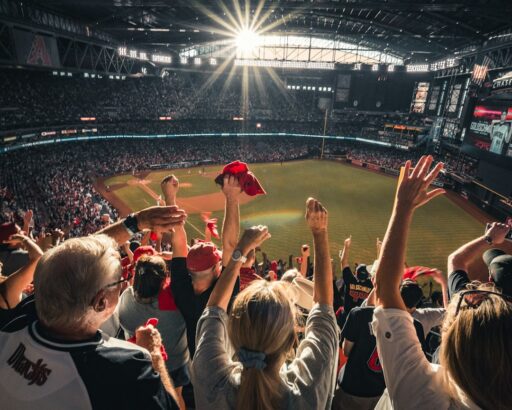
There is a special kind of electricity that hums through an American ballpark on a late September evening. The lights flicker on, the smell of roasted peanuts drifts through the concourse, and tens of thousands of fans reach for their phones to answer one simple question. When is my team playing next? That question, echoed across living rooms, sports bars, and stadium seats from coast to coast, is exactly why the search for the MLB schedule lights up the internet every single autumn. The baseball calendar is not just a tool for planning your week. It is the heartbeat of a sport that lives and breathes every single day from spring to fall.

Understanding the MLB schedule is about much more than knowing who plays whom. It is about understanding the rhythm of a season, the geography of a rivalry, and the drama that builds one pitch at a time. Whether you are a lifelong fan who never misses an inning or a curious newcomer wondering when the biggest games happen, this guide walks you through the entire landscape of the Major League Baseball schedule.
A Season Measured in Thousands of Games
The Major League Baseball schedule is a logistical masterpiece. Every season, each of the thirty clubs plays 162 regular season games. When you multiply that across the entire league, you arrive at a breathtaking 2,430 games in a single year. Stretch those games across roughly one hundred and eighty six days, and you begin to appreciate the sheer scale of the operation. There are days packed with fifteen simultaneous contests, and there are quiet Mondays with only a handful of teams in action.
The season traditionally opens in late March with Opening Day, a celebration that feels like a national holiday for baseball fans. From there, the calendar rolls forward through the spring, the heat of summer, and into the crisp air of early autumn. The regular season typically concludes in the first days of October, setting the stage for the postseason, which runs deep into late October and sometimes into the first week of November.
How the Schedule Is Built
Creating the MLB schedule is a year round project handled by a dedicated team of schedulers working closely with all thirty franchises. They must balance an almost impossible number of competing demands. Travel distance matters, because players are human and long road trips wear them down. Competitive balance matters, because fans want a fair fight. Weather matters, because early spring games in cold climates are risky. Television windows matter, because national broadcasts bring in enormous revenue.
The result is a carefully woven tapestry. Teams play the majority of their games against divisional rivals, whom they know intimately and battle fiercely. They also face the rest of their league and, thanks to modern scheduling, a rotation of interleague opponents from the other league. This mix ensures that every fan base gets to see superstars from across the sport.

The Final Stretch and Why It Feels Different
Nothing in baseball compares to the final two weeks of the regular season. By late September, the standings have tightened, the math has simplified, and every single game carries enormous weight. Teams that spent months cruising suddenly find themselves fighting for their lives. A single swing of the bat can separate a playoff berth from a long, quiet winter.
This is the time when the schedule transforms from a routine into a roadmap of destiny. Fans scan the upcoming matchups obsessively, calculating magic numbers and tiebreaker scenarios. They check start times, pitching probables, and travel schedules. The daily rhythm of the season becomes a nightly ritual, with families gathered around televisions and radios to follow the action.
The stakes rise with every inning. A division title might hinge on a head to head series in the last week. A wild card spot might come down to the final day. This is why the MLB schedule matters so deeply to so many people. It is the framework upon which unforgettable memories are built.
Key Matchups Every Fan Should Circle
Certain games on the MLB schedule rise above the rest. Rivalry series draw the biggest crowds and the loudest cheers. Longstanding feuds between historic franchises turn ordinary afternoons into electric showdowns. When these teams meet, especially late in the season, the atmosphere crackles with tension.
Interleague play adds another layer of intrigue. When teams from different leagues square off, fans get rare glimpses of matchups they might otherwise never see. A pitcher who has dominated one league suddenly faces an entirely new set of hitters. A slugger who knows his own league like the back of his hand steps into unfamiliar territory.
Weekend series are also prime time for the casual fan. Friday, Saturday, and Sunday games draw the largest audiences, with families filling the stands and friends gathering for watch parties. If you are planning to attend a game in person, these weekend dates are usually the most convenient and the most festive.
The All Star Break and the Midseason Marker
One of the most beloved stops on the MLB schedule is the All Star Break, which arrives in the middle of July. For a few days, the relentless daily grind pauses and the sport celebrates its brightest stars. The Home Run Derby lights up the night before the main event, and then the All Star Game brings together the best players from both leagues in a single showcase.
The break serves as a natural dividing line for the season. Teams that struggled in the first half use the rest to regroup and refocus. Teams that soared look to maintain their momentum. Fans use the pause to catch their breath, study the standings, and predict how the second half will unfold. When play resumes, the intensity only climbs.
Divisional Battles That Define the Season
The structure of the MLB schedule ensures that divisional rivalries are fought with extra ferocity. Because so many games are played within each division, the standings remain tightly packed. A hot streak in June can vault a team from last place to first. A cold stretch in August can undo months of hard work.
These repeated meetings breed familiarity and contempt in equal measure. Pitchers learn the weaknesses of every hitter. Hitters memorize the tendencies of every pitcher. Managers scheme and counter scheme. By the time September arrives, every matchup feels like a chess game played at full speed.
Where and How to Follow the Action
Following the MLB schedule has never been easier. Every game is available through a mix of national broadcasts, regional sports networks, and streaming services. For fans who want every pitch, out of market packages deliver the full slate. For those who simply want the highlights, nightly recap shows serve up the best moments in a compact package.
Radio still holds a special place in the hearts of many fans. There is something timeless about listening to a game on a warm evening, the voices of announcers painting pictures of the action. And of course, nothing beats being there in person, feeling the roar of the crowd and watching the ball fly off the bat in real time.
Mobile apps have transformed how we track the schedule. Instant notifications alert you when your team takes the field. Live scoreboards update pitch by pitch. You can set reminders for the games that matter most to you, ensuring that you never miss a crucial at bat.
The Art of the Road Trip
For many fans, the MLB schedule is an invitation to explore. Planning a road trip around a series of away games has become a cherished tradition. You might begin in one city, catch a game under the lights, then drive to the next ballpark the following day. Each stadium offers its own personality, its own food, and its own rituals.
From the historic cathedrals of the sport to the gleaming modern parks with retractable roofs, every venue tells a story. The schedule makes these pilgrimages possible, stringing together cities in a way that turns a simple vacation into an unforgettable adventure.
The Rhythm of a Baseball Week
There is a comforting rhythm to the baseball week. Monday might be a travel day with only a few games. Tuesday through Thursday bring the heart of a series. Friday kicks off the weekend with evening contests. Saturday and Sunday offer afternoon and evening options for families and friends.
This cadence shapes the lives of fans in subtle ways. They plan dinners around first pitch. They schedule outings around their team home stand. They learn the habits of their favorite broadcasters and the quirks of their home ballpark. Over the course of a season, the schedule becomes as familiar as a favorite song.
The Road to the Postseason
Every game on the MLB schedule counts toward one ultimate goal, which is reaching the postseason. The playoffs expand the drama to a fever pitch. Wild card rounds, division series, championship series, and the World Series create a gauntlet that tests every team depth, resilience, and nerve.
Because the schedule awards home field advantage to the teams with the best records, the regular season carries enormous consequences. Winning your division means hosting pivotal games in front of your own fans. Every victory in September is a small investment in October glory.
As the calendar turns to the final week, fans everywhere feel the pull of the pennant race. They memorize the schedule, they analyze the standings, and they dare to dream. This shared experience binds generations together, from grandparents who remember legendary teams of the past to children watching their first season unfold.
A Calendar That Brings People Together
Maybe the most beautiful thing about the MLB schedule is how it anchors the summer and fall for millions of people. It gives shape to our weeks. It gives us something to look forward to after a long day. It gives us reasons to gather, to cheer, to argue, and to celebrate.
The schedule is a promise. It promises that no matter how the standings look today, there is always another game tomorrow. There is always another chance for a comeback, another opportunity for a rookie to become a hero, another night when the impossible seems within reach.
Conclusion
The MLB schedule is far more than a dry listing of games. It is the spine of a sport that unfolds with glorious unpredictability across six remarkable months. From Opening Day in March to the final outs of autumn, the calendar delivers a steady stream of drama, community, and joy. Whether you are mapping out a road trip to see your favorite team, planning a weekend with friends, or simply settling into your favorite chair to watch the late innings, the MLB schedule is your guide.
So pull up the schedule, mark the dates, and settle in for the ride. The games are coming, the stories are waiting, and the season will not pause for anyone. Baseball rewards those who pay attention, and there has never been a better time to follow every pitch.