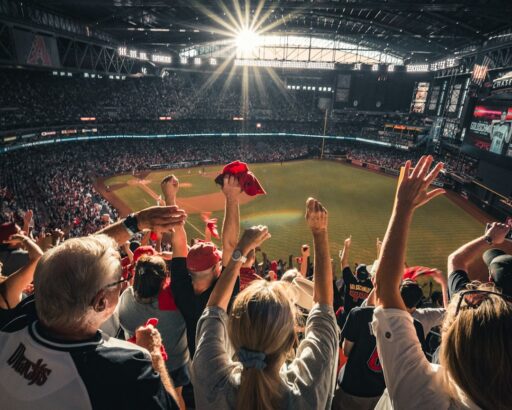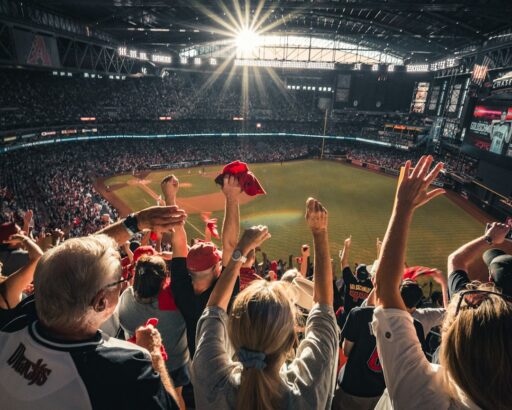
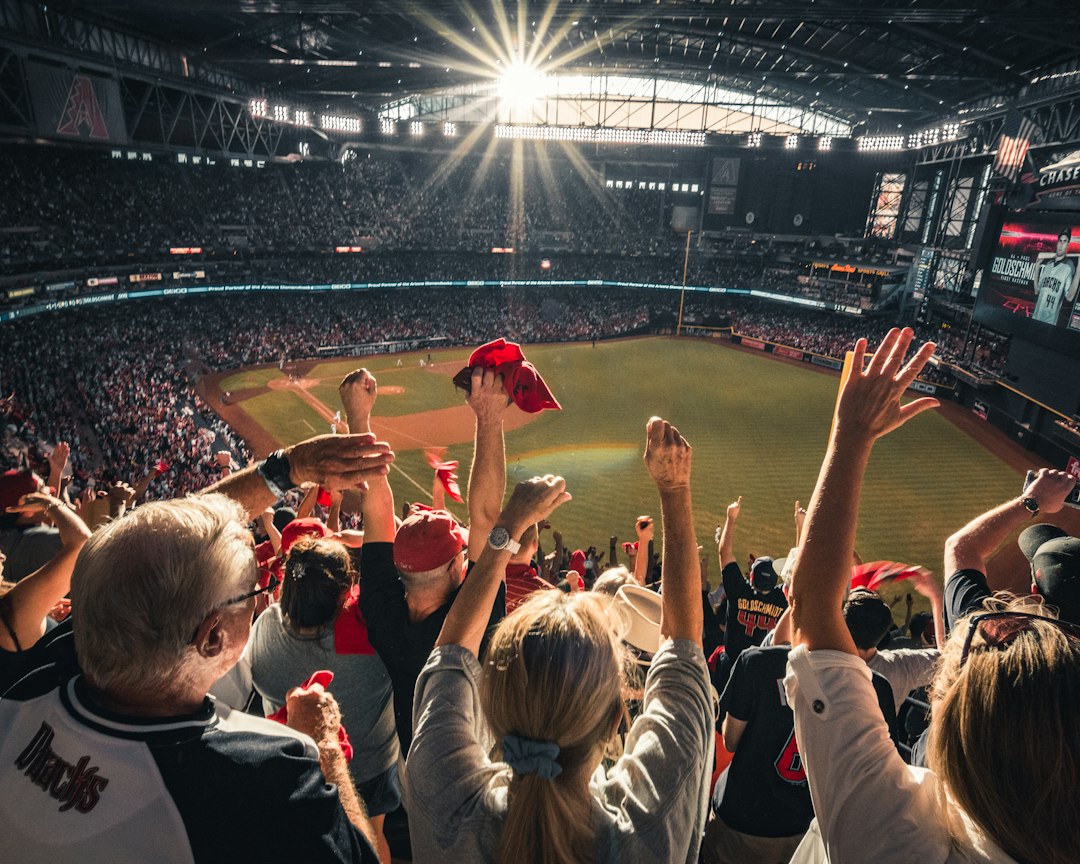
Every autumn, baseball does something no other sport can quite match. It slows down, then it explodes. The long grind of the regular season hands the baton to October, and suddenly every pitch carries the weight of six months of work. The MLB playoffs are back, and the 2026 bracket is already serving up the kind of drama that keeps fans glued to their screens deep into the night. For the diehards who have watched every inning since Opening Day, and for the millions who lean in only now, the postseason is where legends are written and hearts are broken before the coffee even gets cold.

This year the race is tight, the seeding is chaotic, and the margins are razor thin. A single swing, a single pitching change, a single misread fly ball can flip an entire series. That is the beautiful cruelty of October baseball. Nobody remembers the team that won 95 games in June. Everybody remembers who is still standing when the confetti falls.
How the Postseason Bracket Actually Works
The road to the World Series runs through a format that rewards depth and punishes any team that limps into October. In each league, three division winners claim the top three seeds, while the next three best records slide in as wild cards. The top two seeds earn a precious reward, a full week off while everyone else fights for survival, and that rest can be either a blessing or a curse.
The Wild Card Series comes first, a best of three sprint played entirely at the home park of the higher seed. It is brutal and it is fast. Lose the opener and your season is on life support. Win two in a row and you are suddenly dancing into the Division Series while a 90 win team packs its bags. From there the Division Series stretches to a best of five, the League Championship Series goes to a best of seven, and the World Series crowns a champion in the same best of seven format. Every round adds pressure, and every round shrinks the margin for error.
The bye week is one of the most debated ideas in modern baseball. Teams that earn it get their rotation lined up perfectly and their bullpen fully rested, but they also risk losing their rhythm. Hitters are creatures of habit, and six days without live pitching can turn a hot streak cold. History has given us examples of both outcomes, and every October the argument starts fresh. Does rest win, or does momentum win? The answer usually arrives sometime in the seventh inning of game one.
MLB Playoff Schedule: The Dates That Matter
The mlb playoff schedule is the calendar that millions of fans circle in red. The Wild Card Series typically opens in the first days of October, with games staggered across afternoons and evenings so that no fan has to choose between two must watch matchups. The Division Series follows within days, and the League Championship Series arrives in the middle of the month. The World Series closes the show, often stretching into the final week of October and, when the drama demands it, into the first nights of November.

What makes this schedule so addictive is the rhythm. There is a game almost every night. The early contests belong to the East Coast, the late ones to the West, and the middle of the evening becomes a national conversation. Offices empty a little early. Group chats light up. Somewhere a grandfather tells a grandchild about the year his team won it all, and the child actually listens, because now it feels real.
Following the Astros Score and the Houston Push
Few franchises understand October pressure like Houston. When fans type astros score into their phones, they are not just checking a number. They are checking a pulse. The Astros have built a roster that blends veteran poise with young firepower, and their lineup can turn a quiet inning into a crooked number faster than almost anyone in the league. Their starting rotation, when healthy, is deep enough to shorten a series. Their bullpen, when sharp, slams the door in the seventh and never looks back.
The question that follows Houston into every October is simple and unforgiving. Can the bats stay hot when the pitching gets elite? In the regular season, mistakes get forgotten. In the postseason, a stranded runner in the third inning can haunt a team for a decade. Houston knows this better than most, and that institutional memory cuts both ways. It fuels them, and it weighs on them.
There is also the matter of atmosphere. Minute Maid Park, with its roof closed and its crowd roaring, becomes one of the loudest rooms in the sport. Visiting teams talk about it the way travelers talk about strange weather. You cannot prepare for it, and you cannot ignore it. For the Astros, it is a weapon they get to deploy every other night.
Phillies Playoff Chances: Philadelphia’s Fight
Then there is Philadelphia, a city that treats baseball like a civic religion. Talk of phillies playoff chances fills sports radio from dawn until midnight, and for good reason. The Phillies have assembled a lineup that punishes fastballs and feasts on mistakes, a rotation built for short series, and a home crowd that can rattle a visiting pitcher before he even throws a strike. Citizens Bank Park in October is not a stadium. It is a pressure cooker with a scoreboard.
Their playoff chances swing on a handful of variables. Health is the first and most obvious. A single tight hamstring or a single sore shoulder can change the math overnight. The second is the bullpen, which has a habit of making things interesting. The third is simply the randomness of October, the cruel truth that the best team does not always win. Philadelphia fans know this intimately. They have felt the sting of a season that ended one run too soon.
And yet that knowledge is exactly what makes them show up. The city does not wait for certainty. It shows up for hope, for the ninth inning rally, for the chance to see something nobody has ever seen before.
Storylines That Could Define the Bracket
Every postseason writes its own story, and this one already has chapters waiting to be told. Rookie pitchers who have never thrown a playoff inning are about to face lineups full of veterans who have done nothing else for a decade. Sluggers who carried teams through the summer will meet relievers who throw 100 miles per hour and do not care about your reputation. Managers will be second guessed on every decision, and the ones who push the right buttons will be remembered forever.
Then there are the quiet stories, the ones that only surface in the late innings. The bench player who gets one at bat and turns it into a legend. The closer who blows a save in game one and redeems himself in game seven. The crowd that refuses to sit down. October does not just crown a champion. It creates folklore.
How to Follow Every Pitch
For anyone diving into the MLB playoffs for the first time, the entry point is easier than you might think. Start with the schedule and pick one series to follow closely. Watch the pitching matchups, because they usually decide the game before the first pitch is thrown. Pay attention to the bullpen, because the seventh and eighth innings are where seasons quietly end. And do not underestimate the power of a hot bat in a short series, where one hitter can carry a team for a week.
Then let the drama do the rest. There is no perfect way to watch October baseball. You can stream it, you can listen on the radio with the window open, or you can sit in the stands and lose your voice with forty thousand strangers. The point is to be there, in whatever way you can, when the moment arrives.
The Final Out Approaches
Baseball is a game of patience that ends in bursts of chaos. The MLB playoffs compress an entire emotional year into a few weeks, and that is exactly why they matter. The schedule gives us the map, the Astros score gives us one heartbeat, and the Phillies playoff chances give us another. Together they form the pulse of October.
So clear your calendar, charge your phone, and settle in. The road to the World Series is long, unpredictable, and absolutely worth every sleepless night. Somewhere in the next few weeks, a player will do something that people will talk about for fifty years. You might as well be watching when it happens.