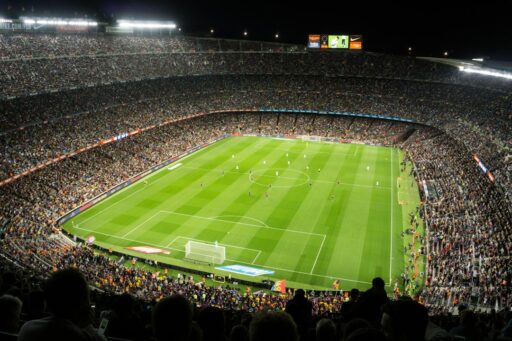
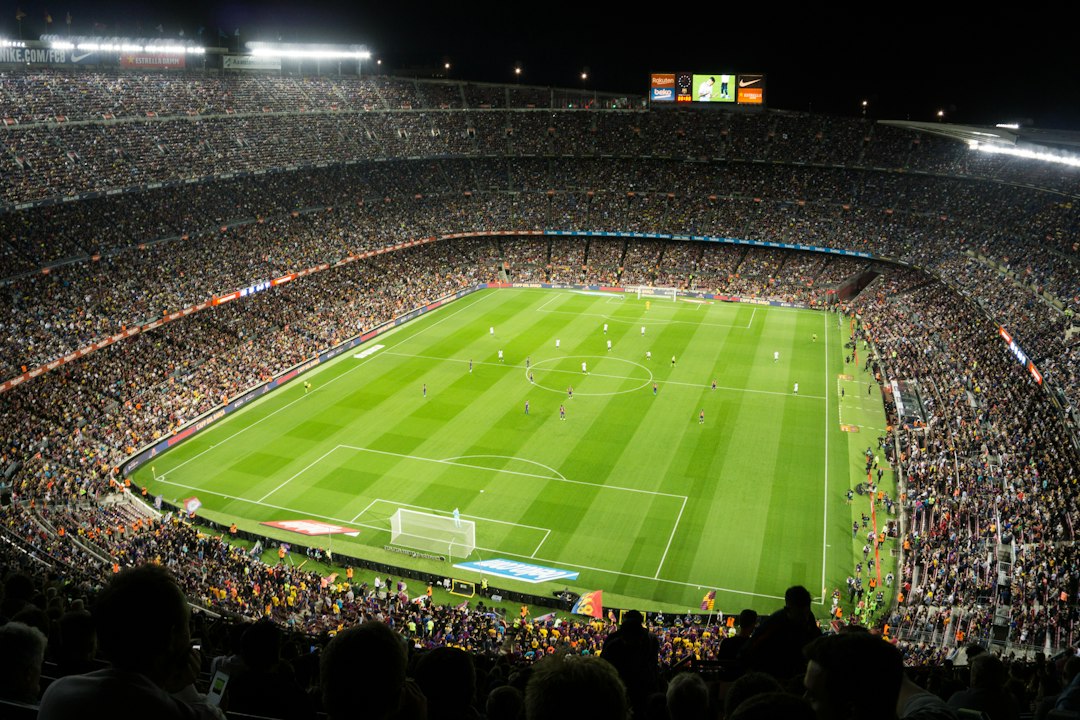
The roar inside a packed stadium is unlike anything else in sport. Thousands of voices rise together, scarves wave above heads, and for ninety minutes the world shrinks to a single patch of green grass. That is the magic of the UEFA Nations League, and right now the whole planet seems to be leaning in to watch. When Spain meets England, the noise grows even louder. Two soccer giants, two proud traditions, and one trophy that has quickly become one of the most coveted prizes in European football.

This is the story of a tournament that turned friendly internationals into fierce competition. It is the story of a rivalry that keeps writing new chapters. And it is the story of why, at this very moment, so many fans are searching, streaming, and talking about a simple phrase that carries so much weight.
What Is the UEFA Nations League?
For decades, international friendlies felt like warm up matches. Teams experimented, stars rested, and fans sometimes shrugged. Then European football leaders decided to change the script. They built a brand new competition that would reward nations for every single game they played. The UEFA Nations League was born, and it transformed the international calendar forever.
The idea was elegant. Instead of meaningless exhibition games, national teams would face opponents of similar strength in a league format, with promotion and relegation on the line. Win your group and you climb. Lose your group and you fall. Every match suddenly carried weight, and every fan suddenly cared.
The competition also opened doors. Strong performances could help a nation qualify for major tournaments, adding a second path to glory. That single detail turned the Nations League from a curiosity into a can’t miss event on every supporter’s calendar.
Spain vs England: A Rivalry That Never Fades
Few matchups stir emotions like Spain against England. On one side stands the technical brilliance of Spanish football, a style built on quick passes, patient possession, and a fearless belief that the ball should do the running. On the other side stands England, a nation with a proud history and a hunger that has only grown sharper with every near miss.
When these two meet in the Nations League, the stakes feel personal. Spain arrives with the swagger of champions, having captured major titles and reestablished itself among the elite. England arrives with the determination of a team desperate to turn potential into silverware. The whistle blows, and suddenly it is not just a group stage fixture. It is a statement.
History adds spice. Think back to famous clashes, dramatic goals, and heartbreak that lingered long after the final whistle. Every new encounter carries the memory of the last. Players know it. Managers know it. The fans most of all feel it deep in their bones.

A Glimpse Into History
The rivalry between these two nations stretches back decades, shaped by unforgettable nights and painful defeats. Spain once ruled the world with a passing game that seemed to hypnotize opponents. England once broke Spanish hearts with grit and late drama. Each generation writes its own chapter, and the Nations League gives this rivalry a fresh stage.
What makes it special is the contrast. Flair against fire. Patience against pressure. When the two philosophies collide, the match becomes a puzzle that neither side can solve in advance. That uncertainty is exactly why millions will tune in.
How the Competition Works
Picture a ladder. At the top sits League A, home to the strongest nations. Below it sit League B, League C, and League D. Each league is divided into groups, and teams battle home and away. The team that finishes top of its group earns promotion and, for the elite, a place in the knockout finals.
The bottom teams face relegation, a punishment that stings because it means dropping down to face weaker opposition in the next campaign. This constant movement creates drama at both ends of the table. A single goal can decide whether a nation celebrates or mourns.
The finals themselves are a spectacle. The best nations gather in a host country, and knockout soccer decides everything. One bad night and the dream ends. One brilliant night and legends are made. That pressure is exactly what makes the Nations League so addictive.
Stars Who Light Up the Stage
Great tournaments are built on great players. Spain has produced a golden generation of midfielders who treat the ball like an old friend, threading passes through spaces that seem to exist only in their imagination. England counters with explosive attackers who can change a match in a heartbeat, turning half chances into goals that echo around the world.
Then there are the goalkeepers, the last line of defense, calm under pressure and capable of heroics that save entire campaigns. And never forget the defenders, the quiet warriors who throw their bodies in front of shots and celebrate a clean tackle like a goal.
When these talents collide, every touch feels like it could decide the night. That is why fans tune in from every corner of the globe, phones in hand and hearts racing.
The Tactical Chess Match
Soccer at this level is a chess match played at full speed. Spain loves to control the rhythm, pulling opponents out of position before striking. England loves to press, win the ball high, and attack with pace. The clash of styles creates a fascinating tactical duel that rewards clever thinking.
Managers adjust, react, and gamble. A substitute here, a formation shift there, and suddenly the momentum swings. Fans watch the sidelines as closely as the pitch, waiting for the move that changes everything. That tension is the fuel of every great tournament.
Why Everyone Is Talking About It
Sport has a way of bringing people together. In living rooms, pubs, and stadiums, strangers become friends over a shared roar. The Nations League taps into that feeling. It gives supporters a reason to gather, to argue, to hope, and to celebrate. When Spain faces England, the conversation spills across every screen and every street.
The competition also rewards loyalty. Fans who follow their national team through thick and thin are finally given matches that truly matter. That sense of purpose has turned casual viewers into devoted followers, and it has made the tournament part of everyday conversation.
The Road Ahead
The current campaign is far from over. Groups remain tight, and every point counts. Nations that stumbled early now face must win matches. Nations that started strong must hold their nerve. The margin between glory and disappointment is razor thin.
For Spain, the goal is simple. Keep dominating, keep scoring, and keep proving that the golden era is far from finished. For England, the mission is to finally break through, to silence doubters, and to lift a trophy that has eluded them for too long.
Beyond these two giants, other nations are quietly building momentum. Dark horses lurk in every group, ready to spring a surprise. That unpredictability is the heartbeat of the Nations League. Nobody can relax, because nobody is safe.
What It Means for the Fans
For supporters, the Nations League is more than a tournament. It is a shared experience, a collection of memories stitched together by last minute goals and unforgettable nights. It is the chance to wear your colors with pride and to believe, however briefly, that anything is possible.
It is also a reason to learn. New fans discover the history of rivalries, the stories behind the crests, and the journeys of players who rose from local pitches to global stages. Every match becomes a lesson wrapped in excitement.
The Power of National Pride
There is something special about watching athletes play not for a paycheck but for a flag. National pride turns ordinary games into epic tales. A defender who blocks a shot with his chest, a striker who sprints until his legs burn, a goalkeeper who dives into the dirt. These moments are not written down in contracts. They are written in hearts.
The Nations League understands this emotion. It gives national pride a regular home, a stage where passion is rewarded and where every fan feels like part of the team.
A Tournament That Keeps Growing
Since its debut, the Nations League has steadily earned respect. Critics who once doubted it now praise its intensity. Players who once saw it as extra work now treat it as a priority. The competition has found its place in the football calendar, and it is here to stay.
Sponsors, broadcasters, and fans all benefit from the drama it delivers. The buzz around Spain versus England is proof that the format works. It creates moments that people remember and stories that people retell, season after season.
Conclusion
The UEFA Nations League has redefined international soccer, turning every fixture into a battle worth watching. When Spain and England share the pitch, that intensity reaches its peak. Two nations, one ball, and a night that could echo for years.
So find a seat, gather your friends, and get ready. The Nations League is not just a tournament. It is a celebration of the beautiful game, and the next chapter is about to be written. Whatever the final score, one thing is certain. Football, once again, will win.
