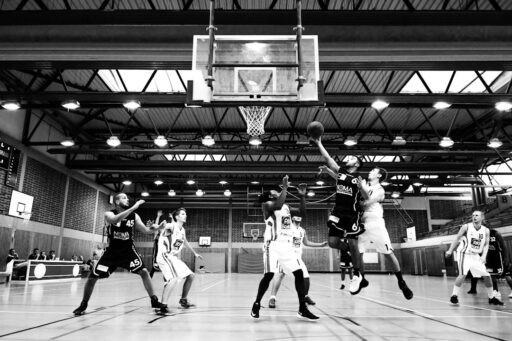
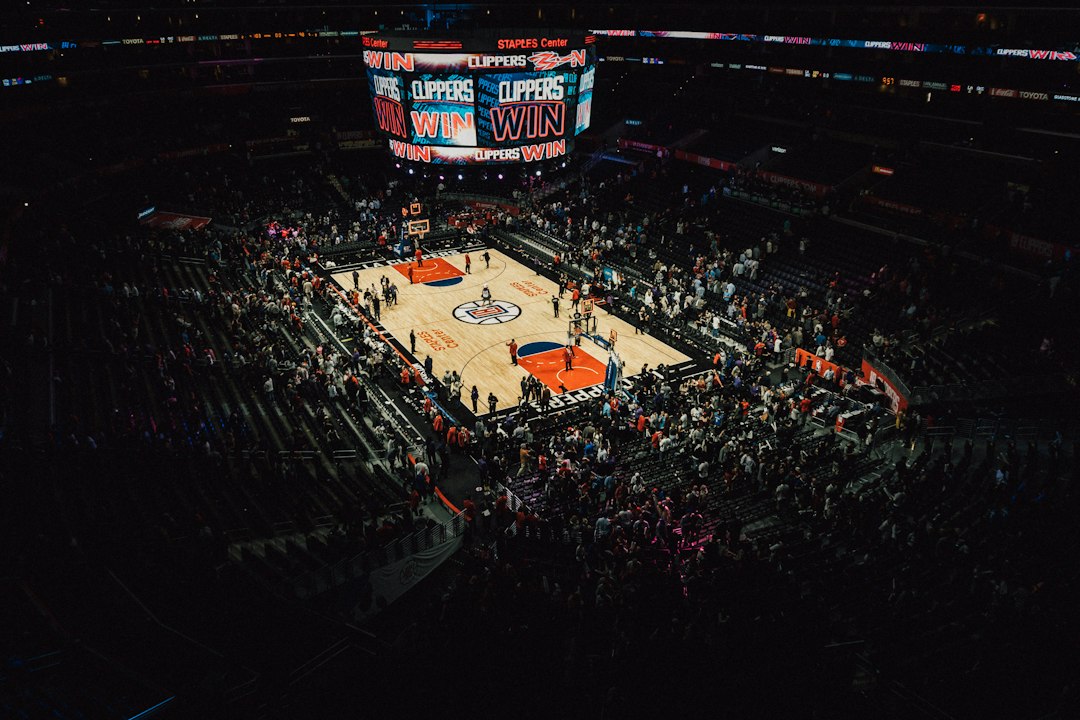
The arena lights dim to a soft amber glow. A hush rolls across the stands, thousands of phones raised, every eye locked on the court. Somewhere in Germany, the Spanish national team is about to lock arms for the anthem, and waiting on the opposite bench is Australia, an opponent that has shared some of the most dramatic nights in the history of Spanish basketball. This is the Women’s Basketball World Cup, and in Spain it feels less like a tournament and more like a national celebration.
Interest in the competition has surged across the country, and the reasons are everywhere you look. A roster that blends battle tested veterans with fearless teenagers, a group draw that delivered a blockbuster opening night, and a fan base that fell in love with the game during the golden years and is now hungry for one more trophy. Here is what you need to know about the 2026 Women’s Basketball World Cup, Spain’s road through it, and the players who could turn a summer into a legend.

The Biggest Stage in Women’s Basketball
The FIBA Women’s Basketball World Cup is the premier global event in the sport. It is staged every four years and gathers the finest national teams on the planet, a field built through continental championships and hard fought qualifying tournaments. Sixteen nations earn the right to compete, and they arrive with one shared dream: to be standing on the podium when the final buzzer sounds.
The tournament carries a weight that goes far beyond medals. This is the stage where careers are defined, where a single performance can turn a young guard into a household name, and where the extraordinary growth of the women’s game becomes impossible to ignore. Broadcast audiences keep climbing, sponsorship keeps expanding, and the level of play has never been deeper.
One name has dominated the trophy in recent years. The United States has won the last four editions, a run of dominance that has defined an era. Yet the chasing pack has never been closer. Australia, China, Belgium, France, Canada and Spain have all closed the gap, and the difference between gold and a painful early exit is now measured in single possessions.
A Golden Decade That Rewrote Spanish Basketball
Spain did not become a powerhouse by accident. A gifted generation transformed the national team into a genuine contender, and the results followed quickly. The country claimed bronze at the 2010 World Cup, silver at the 2014 edition, and another bronze in 2018. On the Olympic stage, Spain reached the final in Rio 2016 and came home with silver. Along the way the team collected a stack of European titles, turning the EuroBasket into something close to a family tradition.
That era changed the sport at home. Youth programs filled up, the domestic league grew stronger, and young girls across the country started dreaming in fast breaks and three point shots. The current squad is the direct result of that momentum. Veterans who lived through those finals now share a locker room with players who grew up watching them on television, and that mix of memory and hunger is exactly what makes this team dangerous.
Spain Against Australia, a Rivalry That Refuses to Fade
If one matchup captures the emotion of Spanish basketball, it is Spain against Australia. The two nations have met in semifinals, in medal games and in qualifying tournaments for more than a decade, and the script rarely follows the predictions. Australia brings size, physical defense and a relentless rebounding culture. Spain answers with movement, shooting and a passing game that can shred even the most disciplined defense.
The 2018 World Cup semifinal in Tenerife remains the reference point for many fans. Australia won that night and went on to the final, while Spain regrouped to take bronze on home soil. The memory still stings, and it still motivates. When the two teams meet again, the game will carry the same electricity: two proud basketball nations, one court, and forty minutes of tension that will not let anyone breathe.

Alba Torrens, the Standard Bearer
Every golden era has a face, and for Spanish women’s basketball that face belongs to Alba Torrens. She carried the national team through its greatest years, collected European titles, earned most valuable player honors, and became the first Spanish woman to carry the flag at an Olympic opening ceremony. Her calm in the biggest moments and her ability to score when the shot clock is dying made her the player opponents feared most.
Torrens represents more than statistics. She represents a standard. The way she trained, the way she spoke about the team, the way she treated younger players all shaped the culture of the program. Whether she is on the floor, on the bench or watching from the stands, her presence is a reminder that Spanish basketball did not rise by luck. It rose by work, by belief and by a refusal to accept second best as a permanent address.
Alicia Florez and the Fearless New Wave
The next chapter is already being written, and one of its most exciting authors is Alicia Florez. A guard with a quick first step, deep range and a fearlessness that belies her age, she has become one of the most talked about young players in the country. She plays with the confidence of someone who has never been told that the moment is too big, and that attitude is exactly what a tournament like this demands.
Florez is not alone. A wave of young talent has risen through the Spanish youth teams and the domestic league, pushing veterans for minutes and forcing coaches to make difficult decisions. The national team has always been built on depth, and this group is no exception. When a teenager can step onto the floor in a world championship game and change the tempo, you know the future of the program is in good hands.
How Spain Plays, and What to Watch For
Style matters, and Spain’s style is one of the most watchable in the world. Expect quick ball movement, constant cutting, and a willingness to shoot from distance when the defense sags. Expect aggressive help defense and a rebounding effort that often outworks bigger opponents. This team rarely wins by brute force. It wins by thinking faster than everyone else, and by trusting the pass more than the dribble.
Keep an eye on three things when the games begin.
- Pace. When Spain controls the tempo, everything else falls into place, from shooting rhythm to defensive rotations.
- Shooting from deep. The three point line has decided more than one medal game, and Spain’s accuracy from outside will shape every knockout round.
- The bench. In a tournament with games every couple of days, depth wins championships, and Spain’s second unit could be the difference between an early exit and a deep run.
Where to Watch and Why It Matters
In Spain, the tournament is carried by the public broadcaster, with Teledeporte bringing games into living rooms across the country. Free access matters enormously. When a national team is visible, it becomes part of the culture, and when it becomes part of the culture, the next generation shows up at practice.
The ripple effects reach far beyond the final score. Sponsors pay attention. Clubs invest in their women’s programs. Local gyms fill with girls who watched a game and decided they wanted to be part of it. Every major tournament is a commercial opportunity, but it is also a cultural one, and Spain has learned how to convert visibility into lasting growth.
The Road Ahead
The path to the podium will not be easy. The field is deeper than ever, packed with teams that can punish a slow start. The schedule is brutal, the travel is real, and the margin between victory and defeat is often a single possession. That is precisely why the tournament matters. Championships are not handed to the most talented roster. They are handed to the team that stays calm when the noise is loudest.
For Spain, the mission is clear. Push through the group stage, survive the knockout rounds, and force the world to respect a program that has quietly become one of the great success stories in international basketball. The players know the history. They know the names. They know how close the country came before, and they know exactly what a gold medal would mean.
The Story Worth Following
Basketball is a game of moments, and this World Cup will produce plenty of them. A buzzer beater from the corner. A defensive stop that swings a semifinal. A veteran lifting a teenager off the floor after a mistake. A crowd in Germany rising as one for a country thousands of kilometers away.
Whatever happens, the story is worth following. Spain arrives with history behind it, talent across the roster, and a growing army of fans who have learned to expect greatness. When the first whistle blows against Australia, the only question that will matter is the one every athlete lives for. Can this team be the best in the world? The answer will be written in forty minutes of basketball, one possession at a time.