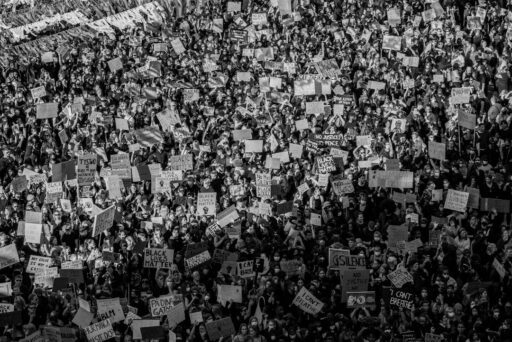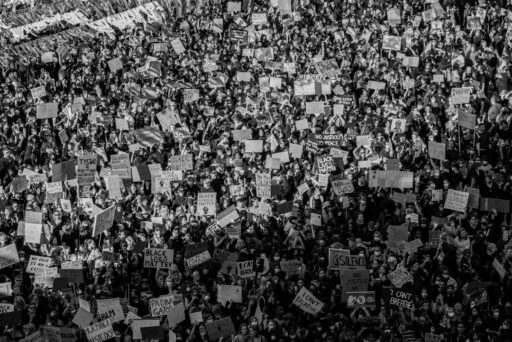
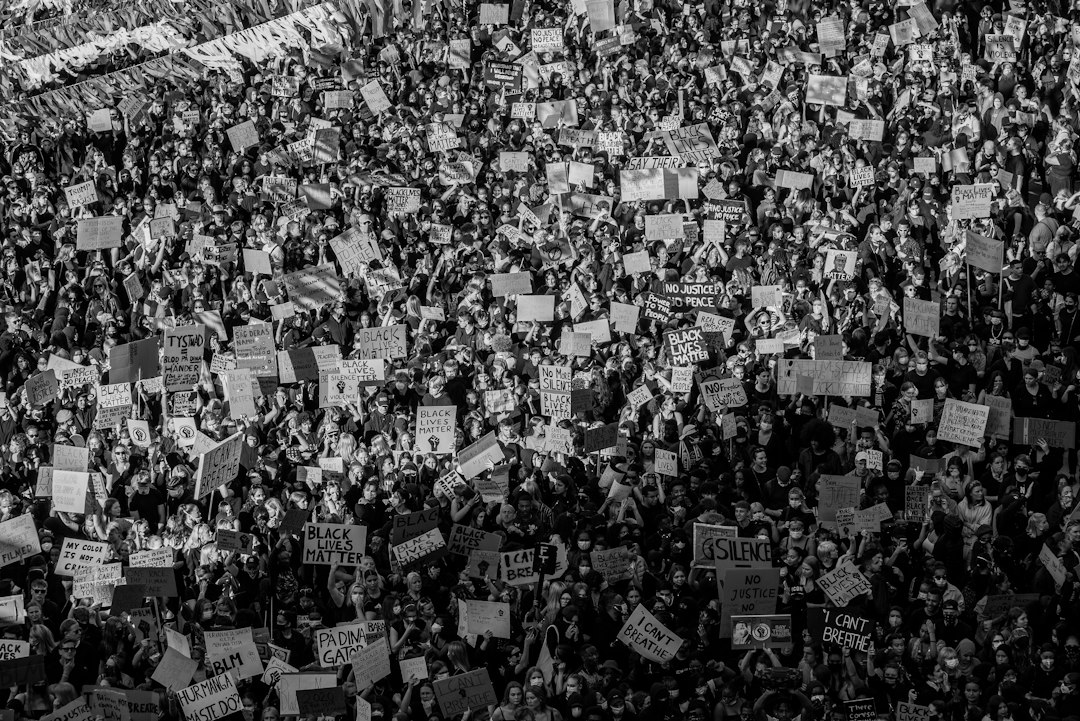
At four in the morning the lorries were already queuing along the A20, engines idling while drivers watched the clock and checked their booking slots. By sunrise the queue had stopped moving altogether. Masked protesters had blockaded the approaches to the Port of Dover, sitting down in the road, linking arms and refusing to shift. The name that spread across social media faster than any news bulletin was a livestreamer called Danny Tommo.
Within hours the port that handles billions of pounds of trade every year had become the stage for one of the most disruptive demonstrations Britain has seen in recent years. Freight was stranded on the approach roads. Holidaymakers missed sailings. Coach parties turned back towards London. Police in Kent pulled officers from across the county and formed cordons that stretched for miles along the coast road. And the man at the centre of the storm, Danny Tommo, became the most searched name in the United Kingdom.

This is the story of what happened at Dover, who was involved, why the port has become such a flashpoint, and what it all means for travellers, hauliers and the wider debate about protest in Britain.
Who Is Danny Tommo?
Danny Tommo, whose full name is widely reported as Danny Thomas, is a British online personality and activist who has built a substantial following through live broadcasts, street demonstrations and confrontational public appearances. He rose to prominence in nationalist and so called patriot circles, appearing at rallies and marches where he films events, speaks directly to camera and documents clashes with police and with rival demonstrators.
His style is unmistakable. He broadcasts almost everything, turning a protest into a rolling livestream that is watched by thousands of people in real time. Supporters describe him as a fearless voice for communities that feel ignored by Westminster and by the mainstream media. Critics describe him as a provocateur who thrives on confrontation and whose presence guarantees that a tense situation will become a headline. Either way, when his name appears in connection with an event, people pay attention.
What makes Danny Tommo significant is not simply his own following. It is the way he functions as a connective tissue between different strands of protest culture in Britain. He moves between groups, amplifies their messages and gives them an audience that no leaflet campaign could ever reach. In Dover, that ability turned a local demonstration into a national news event within a single morning.
Why Dover Became the Frontline
The Port of Dover is not an ordinary place. It is the busiest ferry port in Europe and one of the most important trade gateways in the United Kingdom. Millions of passengers pass through it every year, along with a huge share of the nation’s road freight heading to and from the continent. When Dover stops, supply chains feel it quickly.
It is also a place where the national argument about borders, immigration and identity becomes physical. Small boats crossing the Channel arrive on the Kent coast. Processing facilities sit nearby. Asylum accommodation has been placed in hotels along the seafront. For years, Dover has been the setting for competing demonstrations, some calling for tighter border controls, others welcoming arrivals and opposing what they see as hostility towards migrants.
That combination, a vital economic artery sitting on top of a raw political fault line, explains why the town keeps boiling over. A blockade here is never just a local inconvenience. It is a statement aimed at the whole country.
When masked protesters blocked access at the Port of Dover, they were not simply stopping traffic. They were pointing a camera at the busiest crossing in Britain and daring the authorities to respond. The tactic worked exactly as intended, because within an hour the images were everywhere.
The Patriot Platform and the New Protest Machine
Much of the organisation around the Dover action has been linked to the Patriot Platform, a network that has become a familiar name at demonstrations across England. It operates less like a traditional political party and more like a decentralised movement, using messaging apps, livestreams and short video clips to mobilise people at short notice.
This is a distinctly modern form of protest. There is rarely a single press office or a formal spokesperson. Instead, individuals with large followings announce a time and a place, and crowds assemble. The result is fast, flexible and extremely difficult for police to plan around, because numbers can swell within hours and the messaging can shift just as quickly.
The Patriot Platform has been associated with marches in London, gatherings outside hotels used to house asylum seekers and demonstrations in coastal towns. Its events tend to attract a mix of committed activists, curious onlookers and people who simply want to be part of something that feels like a movement. Dover, with its ferries, its freight and its symbolic weight, was always going to be an attractive target.

Tommy Robinson and the Pull of Dover
No discussion of protest in Dover is complete without mentioning Tommy Robinson, one of the most recognisable and polarising figures in British public life. His name appeared repeatedly alongside Danny Tommo in the searches and conversations that followed the blockade, because the two men occupy overlapping worlds and often attract the same audience.
Robinson has a long history of organising and attending demonstrations, particularly around issues of immigration, Islam and what he describes as the silencing of ordinary British people. His rallies draw large crowds and equally large counter protests, and his presence at any event guarantees blanket coverage.
Whether or not a figure like Robinson is physically present, his influence shapes the atmosphere. Supporters arrive expecting a confrontation with the state or with ideological opponents. Opponents arrive determined to outnumber them. Police arrive prepared for the worst. In a town as compact and as strategically important as Dover, that mix of expectations is a recipe for gridlock.
It is worth being clear about one thing. Most people who live in Dover are not participants in these battles. They are shopkeepers, teachers, ferry workers and families who simply want their roads open and their town to function. The recurring tragedy of Dover is that the national argument keeps being staged on their doorstep.
What the Blockade Did to the Port
The practical consequences of blocking access to the Port of Dover are severe and immediate. Unlike an airport, where passengers can be rebooked across multiple terminals and airlines, Dover funnels most of its traffic through a small number of approach roads. Block those roads and the entire operation seizes up.
Hauliers bore the brunt. Drivers carrying fresh produce, medical supplies, automotive parts and retail stock found themselves trapped in queues with no way to turn around. Perishable loads risked spoiling. Delivery windows were missed. Some operators warned of knock on delays that would ripple through warehouses and supermarket shelves for days.
Tourists and day trippers suffered too. Families heading for Disneyland Paris, for campsites in France or simply for a weekend across the Channel watched their sailings depart without them. Coaches full of schoolchildren waited on hard shoulders. Ferry operators issued advice, urged passengers to allow extra time and in some cases waived amendment fees as a gesture of goodwill.
Local businesses in Dover itself faced a different problem. With traffic at a standstill and police cordons in place, footfall in the town centre collapsed. Cafes that would normally serve travellers stood empty. Taxi drivers lost fares. The economic cost of a single day of disruption at Britain’s busiest ferry port runs into millions.
Andrew Griffith and the Political Fallout
Political reaction was swift. Andrew Griffith, the Member of Parliament for Arundel and South Downs who has taken a close interest in Channel crossings and border security, was among those whose names circulated with the trend as the story developed. His interventions reflected a broader frustration among Conservative figures who argue that repeated disruption at Dover is being tolerated rather than stopped.
The argument put forward by such critics is straightforward. If a group can shut down a national asset by sitting in a road, then the state has lost control of its own infrastructure. They point to the cost to hauliers, the distress caused to ordinary travellers and the message that is sent when blockades appear to succeed.
Others take a different view. Civil liberties groups note that the right to protest is a cornerstone of a free society and warn against measures that would criminalise peaceful assembly. They argue that the answer lies in better policing, faster traffic management and a political culture that addresses the grievances driving people into the street rather than simply condemning them.
What both sides agree on is that Dover has become a symbol. Every blockade is now read as a referendum on how Britain handles dissent, borders and the balance between order and liberty.
KentOnline and the Fight for the Story
Local journalism has played a central role in how this story has been told. KentOnline, the county’s main news platform, has provided rolling coverage of the Dover protests, publishing eyewitness accounts, photographs of masked protesters blocking access and statements from police and port officials.
That local reporting matters enormously. National outlets often arrive late, capture the most dramatic images and leave. KentOnline and its reporters stay, documenting the aftermath, the court cases, the clean up and the arguments that continue long after the cameras go home. For residents, it is the difference between being a backdrop and being heard.
Social media has moved in the opposite direction. Livestreams from the scene generate enormous engagement because they offer immediacy and a sense of being present. The trade off is that context is often lost, claims go unchecked and viewers are pulled towards the most inflammatory moments. Anyone following the Dover story closely would do well to read the local coverage alongside the clips.
What Travellers and Businesses Should Expect
For anyone planning to travel through Dover, the lessons of recent protests are practical ones. Check with your ferry or tunnel operator before setting out, because they will know first if access roads are closed. Allow significantly more time than usual, particularly for early morning and late evening sailings. Keep an eye on traffic bulletins and on the port’s own social channels.
Hauliers should consider contingency planning. That may mean holding loads until routes are confirmed clear, communicating proactively with customers about potential delays, and keeping documentation ready in case of long waits at the border. Some operators have begun building in buffer days around known protest dates.
Businesses in Dover itself should think about flexibility. Staff rotas, deliveries and opening hours may all need to shift when a demonstration is announced. Communicating early with employees and customers reduces the disruption considerably.
Why This Keeps Happening
There is a deeper question underneath all of this. Why does Dover keep attracting these confrontations? Part of the answer is geography. The port is a bottleneck, and bottlenecks are easy to close. Part of the answer is symbolism. Closing Dover is a way of saying that the country’s borders are not secure. Part of the answer is attention. A blockade at the busiest ferry port in Europe is guaranteed to trend, and in a world of livestreams and algorithms, attention is the currency that matters most.
That last point is uncomfortable but important. Modern protest is not only about persuading the public or influencing politicians. It is also about capturing the narrative online, generating clips that travel further than any press release and building a following that persists long after the roads reopen. Anyone with a camera and a cause can now turn a few hours of disruption into weeks of visibility.
What Comes Next
Kent Police have made clear that further blockades will be met with a robust response, and arrests have followed previous actions. Courts have issued orders restricting certain gatherings. Port authorities continue to refine their plans for keeping traffic moving, including alternative routing and faster clearance of vehicles once roads reopen.
At the same time, the underlying tensions show no sign of fading. Small boat arrivals continue. Asylum accommodation remains contested. Trust in institutions remains low. As long as those conditions persist, Dover will remain a place where the country’s arguments are fought out in the open, with ferries, freight and families caught in the middle.
Final Thoughts
On the morning the blockades began, a lorry driver from Poland described sitting in the same spot for five hours, watching the sun come up over the white cliffs and wondering whether he would make his delivery at all. His story, repeated thousands of times over, is the real cost of a protest at the Port of Dover.
Danny Tommo, Tommy Robinson, the Patriot Platform and every other name attached to this story will move on to the next flashpoint, because that is how this form of activism works. The town of Dover, the hauliers and the travellers will still be here, absorbing the consequences. Understanding who is involved, what they want and how the port operates is the best way for ordinary people to prepare for the next time the roads close and the cameras start rolling.