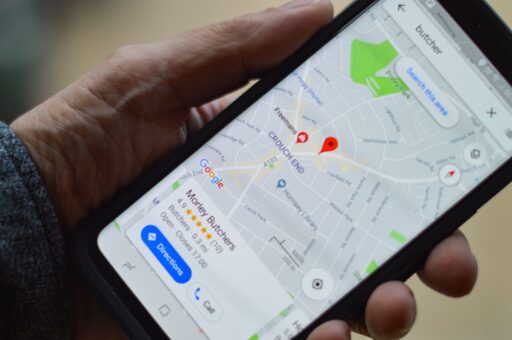
It started like any other quiet morning, and then the map changed. Lake Ontario, one of the crown jewels of the Great Lakes, was officially renamed Lake America, and within hours a curious thing happened. Millions of people did not rush to the news channels first. They opened their phones, pulled up their favorite navigation apps, and typed. They searched for MapQuest, for Google Maps, for Apple Maps. They wanted to see the new name with their own eyes, plotted across the water where Lake Ontario had always been.
The search data tells the story better than any headline. In the United States, searches for MapQuest jumped by a stunning 100 percent, and related queries flooded the charts. Terms like lake ontario name change, google maps lake america, apple maps lake ontario, gulf of america, and trump lake america all climbed together, painting a picture of a nation glued to its screens, refreshing map tiles and zooming in on the blue expanse between New York and Ontario.

The Renaming That Shook the Great Lakes
The change did not happen in a vacuum. It came on the heels of the earlier decision to rename the Gulf of Mexico as the Gulf of America, a move that had already taught Americans to expect the unexpected from their atlases. Now the pen had moved north, toward the freshwater seas that sit along the border between the United States and Canada. Lake Ontario, the smallest of the five Great Lakes but by no means the least important, was given a new identity on official maps.
Why Lake Ontario? The answer lies in the name itself. Ontario is a Canadian province, and the lake carries that name across its entire expanse. For those who pushed the renaming, it felt odd that a body of water shared by the United States should be known by a foreign province. Lake America, the reasoning went, would put an American stamp on a lake that touches the Empire State, the Keystone State, and the shores of a nation that once fought for its independence from the British crown.
The announcement landed with the force of a thunderstorm over the water. Supporters cheered a patriotic stroke. Critics called it a publicity move. And in the middle sat a practical question that no one could escape: what would the maps say?
Lake Ontario, the Lake That Belongs to Everyone
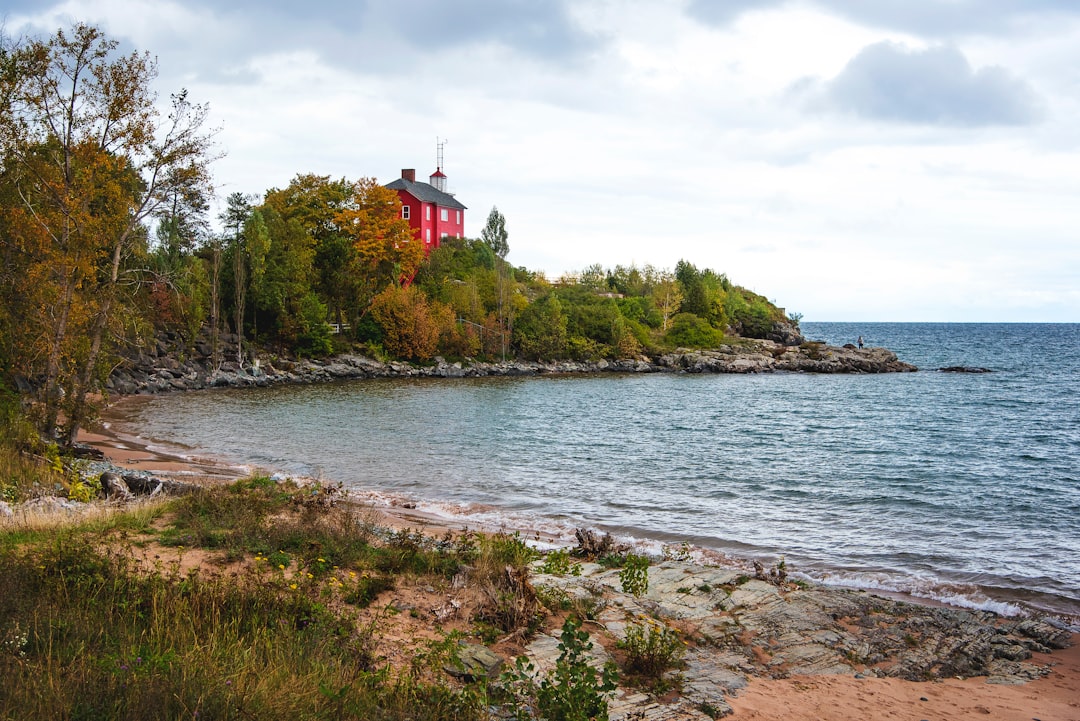
To understand why this mattered so much, you have to meet the lake itself. Lake Ontario is the eastern gateway of the Great Lakes system, the last stop before the Saint Lawrence River carries the water of the entire chain toward the Atlantic Ocean. It is the smallest of the five by surface area, yet it holds more than enough water to cover an empire. Its deep blue waters stretch from the bustling city of Toronto on the Canadian side to the quiet farmlands and shore towns of upstate New York on the American side.
The lake is a working hero. Ships haul grain, iron ore, and manufactured goods across its surface. Anglers chase salmon and trout in its depths. Families pack its beaches every summer, and winter storms turn its waves into something out of a sailor’s nightmare. Niagara Falls, the thundering wonder of the continent, spills into it from the west, and the lake returns the favor by feeding the great river that eventually meets the sea.

This is why a name is never just a name. When you rename a lake that two nations share, you rename a piece of shared history. You rename the water that carries the dreams of Toronto commuters and Buffalo boaters alike. And you force every map maker on Earth to decide how to draw the boundary between tradition and the new order.
MapQuest and the Great Map Update
Here is where the map apps became the real news. Google Maps moved swiftly, updating its tiles to show Lake America. Apple Maps followed, and users on both coasts spent their mornings pinching and zooming, searching for the moment when the new label would appear. And then there was MapQuest, the grand old name of American navigation, the service that taught a generation how to print turn by turn directions long before smartphones existed.
MapQuest holds a special place in the American heart. For millions, it was the first map service they ever used, the website that lived on the family computer in the early days of the internet. When the Lake America news broke, nostalgia and curiosity combined into a perfect storm. People who had not typed mapquest in years suddenly wanted to see how the old favorite would render the new geography. Would it show Lake America? Would it remember Lake Ontario? The answer, as it turned out, was a story in itself.
The mapping industry operates on databases. Names flow from official sources into the digital cartography of the world, and when a name changes, every app must refresh its records. MapQuest, Google, and Apple all raced to catch up, and for a brief and wonderful moment, the internet became a live laboratory where geography changed in real time. Screenshots spread across social media like wildfire, each one a tiny piece of history.
Voices From the Water’s Edge
The renaming did not happen quietly, and the reactions were as varied as the states and provinces that touch the lake. Along the American shore, some local leaders embraced the change as a point of pride. Others, including figures like Representative Debbie Dingell of Michigan, whose district sits on the other Great Lakes, raised pointed questions about the cost and the meaning of renaming waters that Americans had charted for centuries. The phrase who owns lake ontario became one of the most searched questions of the week, as people tried to understand whether one nation could simply rename a lake shared by two.
Comedians had a field day. Late night hosts from Bill Maher to the brightest names in television comedy mined the story for jokes, imagining a future where every landmark carried a patriotic label. Sportscaster Al Michaels even got pulled into the orbit of the story, as fans joked that the renaming might one day show up in the middle of a Thursday Night Football broadcast, a new geographic twist to keep commentators on their toes. Even the always outspoken former Secretary of State Hillary Clinton weighed in with a wry observation that made the rounds on social media, proving that geography, like politics, can unite an entire nation in conversation.
On the Canadian side, the reaction was understandably more complicated. Ontario is the name of Canada’s most populous province, and the province’s namesake lake suddenly carried a new American identity. Canadian officials and everyday citizens pointed out that Canada shares the lake, its shipping lanes, and its fishing grounds. The question of who owns Lake Ontario is not merely legal trivia. It touches treaties, border agreements, and the everyday reality of two friendly nations that have managed to share the largest group of freshwater lakes in the world without building a single wall between them.
Can a President Really Rename a Lake?
The legal question hung over the entire celebration like a morning fog. Can the President of the United States unilaterally rename a body of water? The answer, as with so much in American governance, is complicated. The federal government, through the Board on Geographic Names and the Geographic Names Information System, holds considerable authority over official names used in federal documents and maps. When the Gulf of Mexico became the Gulf of America, the change was implemented through an executive order and reflected in the federal naming system.
Lakes within the United States can follow a similar path, but Lake Ontario is not entirely American. It is an international waterway, shared with Canada under a series of agreements that date back more than a century. International boundaries do not change with a stroke of a pen, and Canadian maps, Canadian schools, and Canadian navigation systems all continue to use the traditional name. The result is a geography of two names, where the same water appears as Lake America on one side of the border and Lake Ontario on the other, a living map of the tension between national pride and shared heritage.
What the New Name Means for Travelers
For travelers, the change opened a new chapter of adventure. Tourists planning trips to the region suddenly had a new landmark to seek out. Boat tours along the lake’s southern shore promised passengers a chance to sail the waters of Lake America. Hotels and bed and breakfasts in towns like Rochester, Oswego, and the villages of the Thousand Islands region began printing new brochures and carving new signs. The lake america sign became a sought after photo opportunity, with visitors lining up to capture proof that they had stood at the edge of a renamed sea.
The practical side of travel changed too. Anyone searching for directions learned to type both names, because map apps updated at different speeds. A traveler asking for the quickest route to the Lake America shoreline might be directed to a dock that still carried an old sign reading Lake Ontario. Locals, ever adaptable, simply shrugged and pointed the way, understanding that the water had not moved an inch even if its name had.
The moment also reignited a national love affair with maps. In an age when people rarely think about how they find their way, the renaming made geography exciting again. Classrooms across the country held impromptu lessons on the Great Lakes, from Superior to Michigan to Huron to Erie to the newly christened Lake America. Children learned the order of the lakes with a brand new rhyme, and parents discovered that their kids could suddenly name all five without missing a beat. A simple name change had turned a generation into cartographers.
The Water Remembers
And yet, for all the excitement, the lake itself remained unchanged. The same waves rolled toward the shore. The same gulls wheeled overhead. The same sunsets painted the water in shades of gold and rose, indifferent to the arguments of politicians and the refresh rates of map servers. Lake America or Lake Ontario, the water remembers every canoe that crossed it, every freighter that loaded its holds, every family that picnicked on its banks, every storm that tested the courage of its sailors.
What the renaming gave the nation was a moment of unity in curiosity. It sent millions of people to their favorite mapping apps, from the newest Google Maps update to the nostalgic comfort of MapQuest. It sparked conversations in diners, on fishing boats, and in the comment sections of every news site in the country. It reminded us that geography is not a dusty subject from a forgotten textbook. It is alive, it is changing, and it belongs to every one of us.
So the next time you open a map app, take a moment to look at the water. Somewhere between the Great Lakes and the sea, a name is still settling into place. And whether the screen reads Lake Ontario or Lake America, the water will still be there, deep and patient and full of stories, waiting for the next traveler to come and find their way home.