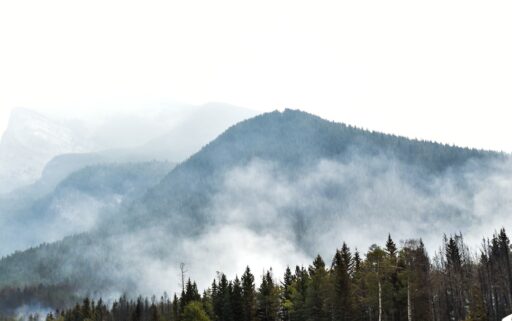

Across the Mediterranean coastline of North Africa, a familiar and terrifying enemy has returned. In the fierce summer heat of 2026, Algeria is once again battling some of the most destructive wildfires in its modern history. Search interest in the North African nation has surged dramatically in recent days, with queries like incendie Algerie, feu Algérie and incendies Algérie climbing rapidly across France and beyond. The entire world is watching as a country of more than 45 million people fights to protect its forests, its homes and its people from walls of flame that seem to grow stronger with every passing hour.
This is not merely another seasonal fire season. This is a full blown national crisis that has drawn the personal attention of President Abdelmadjid Tebboune, mobilized the armed forces, and ignited a wave of solidarity from public figures including football superstar Karim Benzema. To truly understand what is happening, we must look at the fires themselves, the people who are fighting them, and the long road to recovery that lies ahead.

The Return of the Flames
The fires have struck hardest in the northern regions of the country, particularly in the rugged and densely forested mountains of Kabylie. Areas around Tizi Ouzou, Bejaia, Bouira and Jijel have been among the worst affected, where thick pine and cork oak forests have turned into infernos within hours. Local residents describe skies turning orange and ash falling like snow over villages that have stood for centuries. Thick clouds of smoke have drifted across the Mediterranean, visible in satellite images shared around the world, and air quality alerts have been issued in neighboring countries.
These are not isolated blazes. Dozens of separate fire fronts have been reported at the same time, stretching the resources of local fire brigades to the breaking point. In many villages, residents have had no choice but to grab what they could and flee, while others stayed behind with buckets and branches to defend their homes. The scenes are heartbreaking and painfully familiar, because Algeria has seen this nightmare before and knows exactly how high the cost can be.
Why the Fires Spread So Fast
Several factors have combined to create the perfect conditions for disaster. A prolonged drought has left the vegetation extremely dry, turning the forests into tinder. Temperatures have soared well above seasonal norms, and strong winds have carried the flames across ridges and valleys at terrifying speed. The terrain is steep and difficult to access, which means ground crews often cannot reach the heart of the fire, and the flames leap from tree to tree in what experts call crown fires.
There is also a human dimension to this tragedy. Algerian authorities have repeatedly stated that many of the fires were started deliberately, and police have arrested several suspects accused of arson. Whether driven by negligence, criminal intent or land disputes, the result is the same, a nation forced to fight a disaster that could have been prevented. The combination of extreme weather and human action has transformed a difficult season into a full national emergency that demands every available resource.
The Human Toll and the Rescue Effort
Behind the statistics are real people, and the cost has been severe. Entire families have been displaced, their homes reduced to ashes in a matter of minutes. Emergency services, civil protection units and thousands of volunteers have worked around the clock to evacuate residents, treat the injured and provide shelter for those who lost everything. The armed forces have deployed helicopters and water bombers to support overwhelmed firefighters on the ground, while field hospitals have been set up in the hardest hit towns.
International support has poured in as well. Neighboring countries and partners across Europe and the Arab world have offered aircraft, equipment and specialized teams to help contain the flames. The sight of planes dropping water over burning ridgelines has become a powerful symbol of the collective effort to save lives and land. Yet for every fire that is contained, another seems to ignite, and the battle is far from over. The firefighters on the front line continue to push forward, exhausted but determined.

President Tebboune and the State Response
At the center of the national response stands President Abdelmadjid Tebboune. The Algerian leader has followed the crisis closely, chairing emergency security meetings and calling for the full mobilization of all state resources. His government has announced emergency funding for affected regions, compensation for families who lost homes, and plans to rebuild damaged infrastructure. Tebboune has also paid public tribute to the firefighters and volunteers who risked their lives on the front lines, calling them the true heroes of this crisis.
The response has not been without criticism, however. Many Algerians have questioned whether enough was done to prepare for a fire season that experts had long warned would be severe. Demands for better equipment, more modern aircraft and stronger prevention programs have grown louder in recent days. The president has acknowledged these concerns and promised reforms, but for communities still surrounded by smoke, promises can feel distant. The immediate priority remains saving lives, protecting property and containing the flames before they spread even further.
Karim Benzema and the Wave of Solidarity
Away from the fire lines, a different kind of mobilization has taken place. Karim Benzema, the football superstar of Algerian descent, has used his enormous platform to draw global attention to the crisis. His messages of support and solidarity have reached millions of followers, helping to spread awareness and encourage donations to relief efforts. Benzema is not alone, as athletes, artists and ordinary citizens across the country and the diaspora have organized fundraising campaigns and convoys of aid to the affected regions.
This wave of solidarity shows the deep and lasting connection between Algeria and its people around the world. From Paris to Montreal to the Gulf, communities have come together to support the victims of the fires. Charities and local organizations have collected food, water, clothing and medical supplies for displaced families. In a crisis that often feels overwhelming, this human warmth has been a source of real hope, proving that even the darkest smoke cannot hide the light of compassion.
Why France Is Searching for Algeria
The fact that this trend is surging in France is no coincidence. France is home to one of the largest Algerian diasporas in the world, with millions of people of Algerian origin living across the country. For many French families, the fires in Algeria are not distant news; they are burning through the regions where their parents and grandparents were born, where relatives still live, and where family homes still stand. The surge in searches reflects a deep and personal anxiety that transcends borders.
Media coverage in France has also been extensive, with major news networks dedicating hours of airtime to the crisis and French officials offering assistance to their Algerian counterparts. The relationship between the two countries is complex and historic, but in moments of tragedy it is also deeply human. When Algeria burns, France feels it, and the search data proves it. This shared concern is a reminder that disasters do not respect borders, and neither does solidarity.
An Environmental Scar That Will Take Decades to Heal
Beyond the immediate human tragedy, the fires have left an environmental wound that will take generations to close. Thousands of hectares of forest have been destroyed, including ancient cork oak woodlands that are home to rare species of plants and animals. The loss of tree cover accelerates soil erosion, threatens water sources and increases the risk of landslides when the rains finally arrive. Wildlife that managed to escape the flames now faces a barren landscape with little food or shelter to survive.
Reforestation is possible, and Algerian authorities have announced ambitious replanting programs, but young trees take decades to mature, and a forest is far more than just trees. It is an entire ecosystem, a web of life that cannot be rebuilt overnight. Scientists warn that if fire seasons continue to intensify, some of these landscapes may never fully recover, transforming the green mountains of the north into dry and degraded land. The environmental cost of this summer will be counted for decades to come.
Climate Change and the New Reality of Fire
The tragedy in Algeria is part of a wider pattern that is playing out across the Mediterranean and around the world. Climate change is making heatwaves more frequent and more intense, creating the dry and windy conditions that turn forests into fuel. Countries from Greece to Turkey to Spain have experienced similar disasters in recent years, and scientists say the window for prevention is shrinking. The Mediterranean basin is warming faster than the global average, and fire seasons are starting earlier and lasting longer than ever before.
This is the new reality, and it demands a new approach. Experts argue that fighting fires is no longer enough; countries must invest in prevention, in managed forests, in firebreaks, in early warning systems and in educating communities about risk. The people of Algeria are learning these lessons in the hardest possible way, and their experience offers a warning to the entire region. Adaptation is no longer optional, it is a matter of survival for communities living on the edge of a warming world.
What Happens Next
As the smoke begins to clear in some areas, the focus is shifting to recovery. Displaced families need homes, schools need to be rebuilt, and livelihoods need to be restored. The government has pledged to rebuild villages and support farmers whose land was burned, while international organizations are preparing long term assistance programs. Plans include creating better access roads for fire crews, installing water points in strategic locations, and developing a national strategy for forest management and prevention.
There is also a growing conversation about justice and accountability. With several suspects in custody, many Algerians are demanding that those responsible for deliberately starting fires face the full weight of the law. At the same time, there are calls for greater transparency from authorities and for a thorough investigation into the response. The road ahead is long and difficult, but the determination of the Algerian people is stronger than the fire that threatens them.
A Nation United in the Face of Fire
Algeria is fighting for its land, its homes and its future. The wildfires that have swept through the north have caused immense pain, but they have also revealed the resilience of a nation that refuses to break. From the firefighters battling the flames to President Tebboune coordinating the response, from Karim Benzema rallying millions to the volunteers delivering aid, the story of this crisis is ultimately a story of people coming together in the darkest of hours.
The searches that are climbing across France and around the world are more than just numbers. They reflect a deep concern for a country that holds a special place in the hearts of millions. As the fires continue and the recovery begins, the world will keep watching, hoping that Algeria finds the strength to heal and the wisdom to prevent the next disaster. For now, the flames are still burning, and so is the spirit of a nation that has faced fire before and risen from the ashes, stronger than ever.
